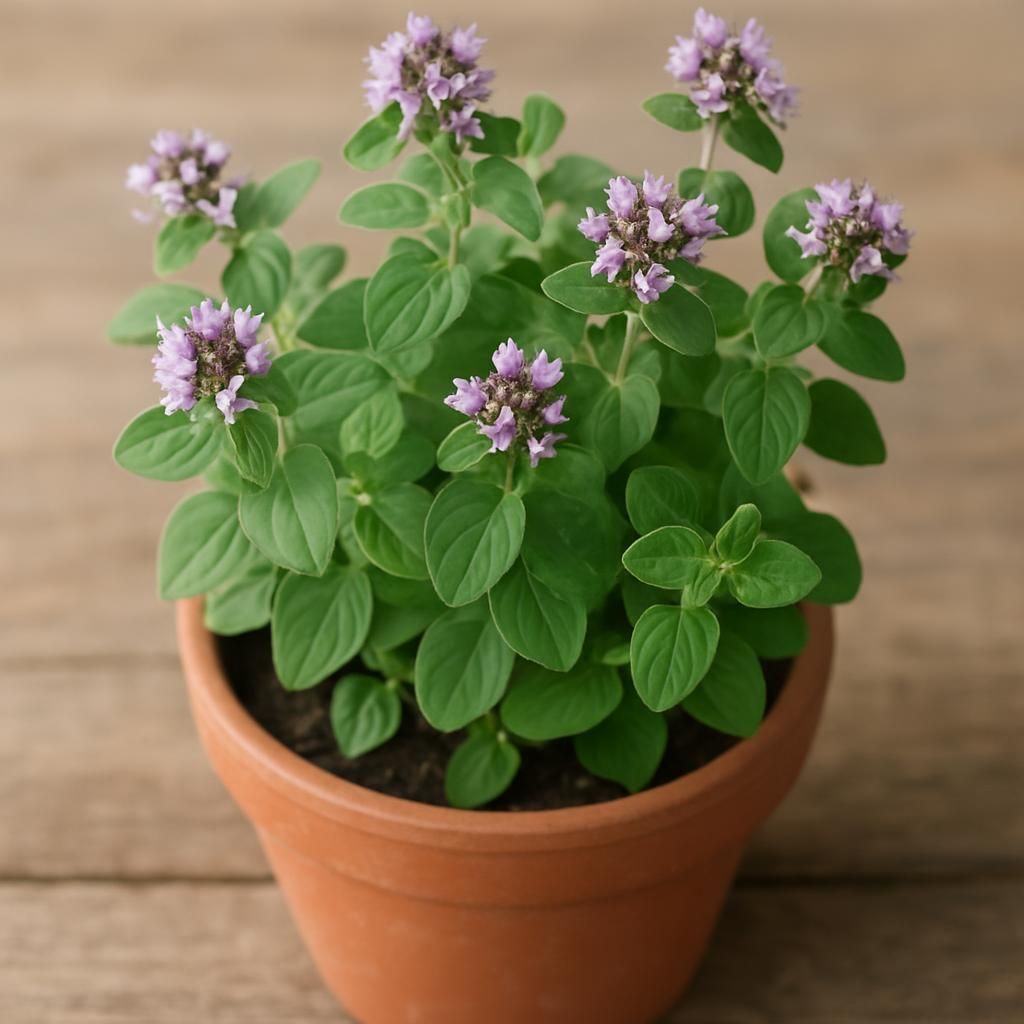
Introduction to Oregano
Oregano (Origanum vulgare) is a Mediterranean native that has become a staple in global cuisine and herbal medicine. Its pungent, slightly bitter leaves deliver bold flavor to pizza, pasta, grilled meats, and roasted vegetables. Beyond the kitchen, oregano contains high levels of carvacrol and thymol—compounds with documented antimicrobial and antioxidant properties. Commercial demand continues to rise as both fresh-cut bunches and dried leaf products command premium prices in specialty markets.
Successful oregano production begins with matching site conditions to the plant’s native preferences for rocky, sun-drenched hillsides. Once established, oregano is drought-tolerant and relatively pest-resistant, making it an excellent low-input crop for small farms and urban gardens alike. This definitive guide provides professional-grade, step-by-step instructions covering every aspect of cultivation.
Botanical Profile of Oregano
Oregano belongs to the Lamiaceae family, sharing lineage with Thyme and Rosemary. The species Origanum vulgare produces square stems, opposite ovate leaves, and clusters of small pink-to-purple flowers attractive to pollinators. Several subspecies and cultivars exist, including Greek oregano (O. vulgare ssp. hirtum), which offers superior essential-oil content, and Italian oregano, a milder hybrid. Plants typically reach 12–24 inches in height and spread, forming dense clumps that expand annually via rhizomes.
The herb is a short-lived perennial in USDA zones 5–10, dying back to the crown in winter and regrowing from the base each spring. Flowering occurs from midsummer through early autumn, after which seed heads can be collected for propagation. Leaf aroma intensifies just before bloom, making this the optimal window for peak-flavor harvests.
Soil, pH, and Climate Requirements for Oregano
Oregano demands excellent drainage and moderate fertility. Heavy clay soils should be amended with coarse sand or perlite. Raised beds or containers with drainage holes are ideal for regions receiving frequent rain.
| Parameter | Ideal Range | Notes |
|---|---|---|
| Soil Type | Sandy loam to loam | Avoid compacted or waterlogged soils |
| Soil pH | 6.0–8.0 | Slightly alkaline preferred |
| Temperature Range | 60–85 °F (15–29 °C) | Tolerates brief dips to 20 °F (-7 °C) |
| USDA Hardiness Zones | 5–10 | Protect young plants in zone 5 winters |
| Sunlight | Full sun (minimum 6 hrs) | More sun increases essential oils |
| Spacing | 12–18 inches (30–45 cm) | Rows 24–36 inches (60–90 cm) apart |
Step-by-Step Planting & Propagation
Oregano can be started from seed, cuttings, or division. Seed germination requires light and takes 7–14 days at 70 °F (21 °C). Sow indoors 6–8 weeks before last frost, pressing seed lightly into sterile mix without covering. Transplant hardened seedlings outdoors after soil warms to 60 °F (15 °C).
For faster, true-to-type plants, take 4-inch stem cuttings in late spring. Remove lower leaves, dip in rooting hormone, and place in moist perlite under high humidity. Roots form in 2–3 weeks. Division of established clumps in early spring or fall yields vigorous new plants with minimal shock.
Site preparation includes incorporating 2–3 inches of well-aged compost and ensuring a minimum 6-hour sun exposure. Plant at the same depth as the nursery container, firm soil, and water thoroughly. Mulch with gravel or coarse bark to suppress weeds and maintain surface dryness.
Care & Maintenance regimes for Oregano
Once established, oregano requires minimal intervention. Over-fertilization reduces flavor intensity, so lean toward under-feeding. Prune regularly to encourage bushy growth and prevent woody stems.
| Task | Schedule | Details |
|---|---|---|
| Watering | Deep soak every 7–10 days | Allow top 2 inches of soil to dry between waterings; reduce in cool weather |
| Fertilizer | Light compost tea or 5-5-5 at planting only | Avoid nitrogen after first year; side-dress sparingly |
| Pruning | Pinch tips every 4–6 weeks; hard prune to 4 inches in early spring | Remove spent blooms to extend leaf production |
Monitor soil moisture with a finger test or tensiometer. Container plants dry faster and may need water twice weekly during heat waves. In high-rainfall areas, improve airflow by spacing plants farther apart to reduce fungal pressure.
Pests, Diseases & Organic Management
Oregano is naturally resistant to most insects, yet Aphids and Spider Mites can occasionally colonize new growth. A strong jet of water or insecticidal soap provides quick control. Root rot caused by Pythium or Phytophthora occurs in poorly drained soils; improve drainage and avoid overwatering as primary prevention.
Powdery mildew may appear in humid climates; increase spacing, prune interior branches, and apply neem oil or potassium bicarbonate sprays at first sign. Slugs and snails occasionally damage seedlings—use iron-phosphate baits or beer traps. Crop rotation and removal of plant debris at season’s end break disease cycles.
Harvesting, Curing & Optimal Storage
Harvest oregano when plants reach 4–6 inches and before flowering for highest essential-oil content. Cut stems 2–3 inches above soil level, leaving enough foliage for regrowth. Morning harvest after dew dries maximizes aroma.
For drying, bundle 5–10 stems and hang upside-down in a warm, dark, well-ventilated space (70–80 °F). Drying takes 7–14 days. Once leaves are crisp, strip from stems and store in airtight glass jars away from light. Properly dried oregano retains peak flavor for 12–18 months. Fresh leaves keep 1–2 weeks refrigerated in a damp paper towel inside a perforated bag.
Companion Planting for Oregano
Oregano pairs well with tomatoes, peppers, and eggplant, repelling many common pests while improving flavor. Its flowers attract beneficial insects that prey on aphids and caterpillars. Avoid planting near Mint or other aggressive spreaders that compete for space.
Basil benefits from oregano’s pest-repellent properties, while oregano itself gains from the shade and moisture retention provided by taller companions during extreme heat. Interplanting with Marigold further reduces nematode pressure in the root zone.
For additional strategies on building resilient herb systems, see the practical insights in Summer Companion Planting: 10 Organic Pairings to Boost Small Farm Resilience.