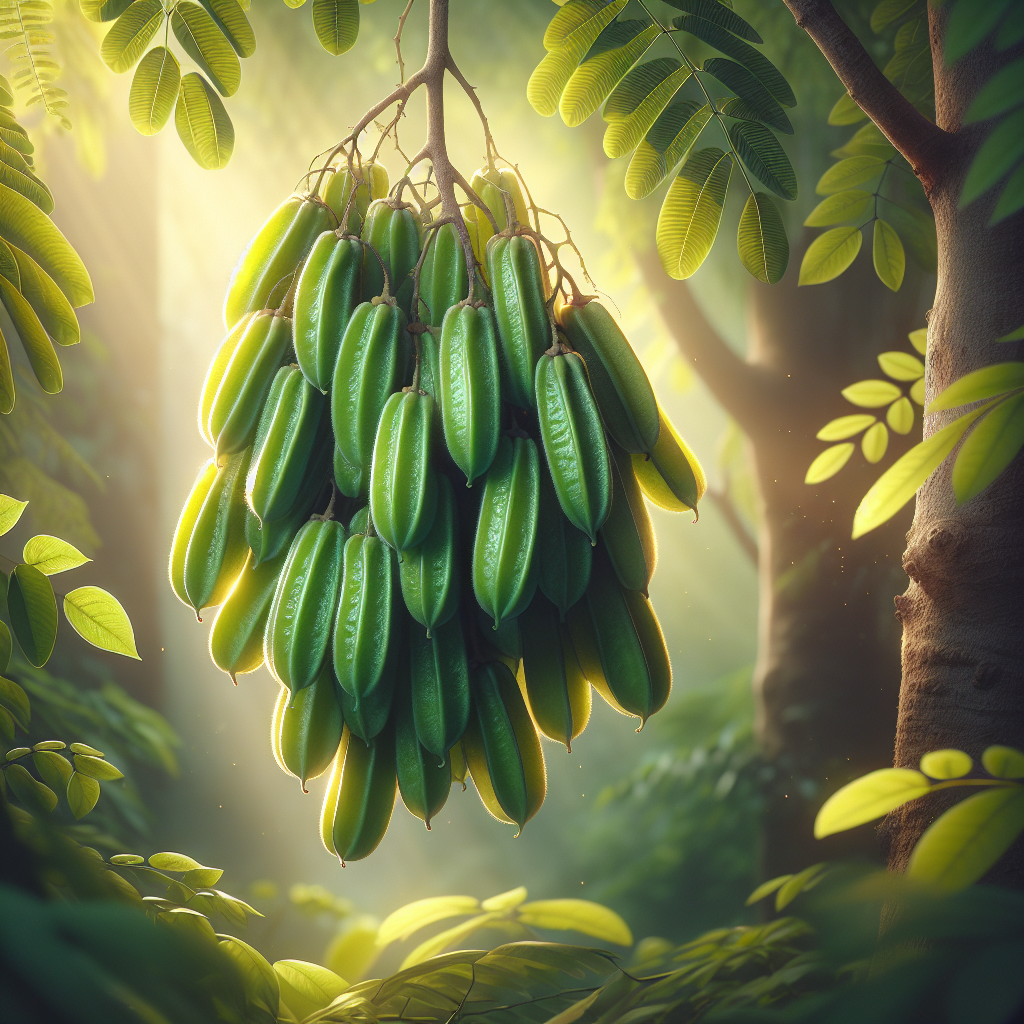
Introduction to Bilimbi (Averrhoa bilimbi)
Bilimbi (Averrhoa bilimbi), also known as belimbing buluh or irumgal, is a lesser-known tropical fruit tree prized for its intensely sour fruits that add a unique zing to Southeast Asian, Indian, and Malaysian cuisines. Native to Indonesia and Malaysia, this evergreen perennial has gained popularity in home gardens and small farms across tropical regions for its low maintenance and prolific production. Unlike its close relative the carambola (star fruit), bilimbi fruits are smaller, greener, and far more acidic, making them perfect for pickles, sambals, juices, and traditional remedies.
Cultivating bilimbi offers multiple benefits: the tree is drought-tolerant once established, requires minimal pruning, and can fruit continuously for decades. Yields can reach 50-100 kg per mature tree annually, providing a steady supply of vitamin C-rich fruits. This guide delivers professional-grade advice for growers, from soil preparation to organic pest control, ensuring optimal results in backyard orchards or commercial plots. For small farms battling tropical challenges, mastering bilimbi cultivation can boost biodiversity and income. Why Companion Planting Feels Like Guesswork for Small Farms - And How AI Makes It Foolproof
Botanical Profile of Bilimbi (Averrhoa bilimbi)
Bilimbi belongs to the Oxalidaceae family and is closely related to star fruit (Averrhoa carambola), sharing similar pinnate leaves and flower structures but differing in fruit characteristics. It grows as a small, slender tree reaching 5-10 meters in height with a spreading canopy of 4-6 meters. The leaves are alternate, compound, with 11-45 leaflets that fold at night, giving the tree a distinctive drooping appearance.
Flowers emerge directly from the trunk and older branches (cauliflory), forming loose racemes of 10-20 small, fragrant, bell-shaped blooms that are reddish-purple. Pollination is primarily by insects like bees and flies. Fruits develop in dense clusters, resembling miniature cucumbers: 2-4 cm long, oblong, with thin, waxy green skin that turns yellowish when overripe. The flesh is juicy, extremely acidic (pH 2.8-3.4 due to high oxalic acid), and contains 1-4 small seeds. Nutritionally, 100g of fruit provides 28 kcal, 90% water, vitamin C (27mg), iron, and antioxidants.
Trees are evergreen in tropics but may drop leaves in dry seasons. Lifespan exceeds 20-30 years with proper care. Varieties are limited, but selections like 'Jambu Hantu' offer slightly sweeter fruits. Root system is shallow and spreading, making it sensitive to mechanical damage but excellent for intercropping.
Soil, pH, and Climate Requirements for Bilimbi (Averrhoa bilimbi)
Bilimbi flourishes in a wide range of soils but prefers deep, fertile loams with good drainage. Sandy clay or lateritic soils are ideal, while heavy clays lead to waterlogging issues. Optimal soil pH is 5.5-7.0; it tolerates mildly acidic conditions better than alkaline. Incorporate 10-20 kg of well-rotted farmyard manure or compost per planting hole to enhance fertility and structure.
Climate-wise, bilimbi demands tropical or subtropical conditions: temperatures of 20-35°C (68-95°F), with no frost tolerance below 10°C. High humidity (60-90%) and annual rainfall of 1500-2500 mm suit it best, though it endures short dry spells once established. Full sun (6-8 hours daily) promotes fruiting, but partial shade works for young plants. In marginal areas, use windbreaks as strong winds can snap brittle branches.
Soil preparation involves deep tillage (30-45 cm) to break compaction, followed by raised beds (30 cm high) in high-rainfall zones to prevent root rot. Test soil for nematodes beforehand, as bilimbi is susceptible. Mulch with organic matter to retain moisture and suppress weeds. For container growing, use 50-100L pots with potting mix amended with perlite for drainage.
Step-by-Step Planting & Propagation
Propagation is straightforward via seeds, air-layering, or cuttings, with air-layering preferred for true-to-type plants. Seed propagation: Sow fresh seeds 1 cm deep in seed trays with sandy loam. Germination occurs in 10-20 days at 25-30°C. Transplant seedlings at 15-20 cm height to pots, then field after 6-12 months.
Air-layering (recommended): Select 2-3 year-old branches (1-2 cm thick). Remove a 2 cm ring of bark, apply rooting hormone (IBA 5000 ppm), wrap with moist sphagnum moss and polythene. Roots form in 6-8 weeks. Plant rooted layers at 4-5 m spacing (6x6 m for orchards).
Planting: Dig 50x50x50 cm pits, fill with topsoil + 20 kg FYM + 500g superphosphate + 200g muriate of potash. Plant during rainy season, staking young trees. Water deeply post-planting. Initial spacing: 5-7 m apart for trees, allowing canopy development.
Survival rate exceeds 90% with proper technique. Grafted plants are rare but used for dwarfing. Guava (crop) serves as rootstock in some regions.
Care & Maintenance regimes for Bilimbi (Averrhoa bilimbi)
Young trees need weekly irrigation (20-40L/tree) for first 2 years, reducing to biweekly in wet seasons. Mature trees are semi-drought tolerant but fruit better with consistent moisture. Fertilize 3-4 times yearly: NPK 10:20:20 at 500g/tree/year, increasing to 5 kg by maturity. Foliar sprays of micronutrients (Zn, B, Mn) every 3 months prevent deficiencies.
Prune lightly after harvest to shape canopy and remove deadwood. Avoid heavy pruning to prevent sunburn. Mulch with 10-15 cm organic layer to conserve water and add nutrients. Intercrop with ginger or legumes in early years for soil health.
Weed control: manual or mulch; avoid herbicides near roots. Monitor for nutrient imbalances—yellow leaves indicate nitrogen lack. In high-rain areas, ensure drainage to avert root rot. Trees fruit 2-3 years post-planting, peaking at 7-10 years.
Pests, Diseases & Organic Management
Common pests include aphids, mealybugs, and fruit flies. Control with neem oil (5ml/L) sprays weekly or introduce ladybugs. Scale insects on branches: prune infested parts and apply soap solution.
Diseases: Anthracnose causes fruit rot—use copper fungicide preventively. Phytophthora root rot in wet soils: improve drainage, apply Trichoderma. Leaf spot from fungi: remove debris, spray Bordeaux mixture.
Organic IPM: Companion plant with marigolds for nematodes; trap fruit flies with methyl eugenol. Biologicals like Beauveria bassiana for caterpillars. Monitor weekly; early intervention keeps losses under 5%. Why 90% of Small Farms Fail at Pest Management - And 8 Organic Fixes That Actually Work
Harvesting, Curing & Optimal Storage
Fruits mature 10-14 days post-flowering, harvested green for sourness or yellow for milder flavor. Pick clusters by hand when 75% full size to avoid damage. Yield: 30-50 fruits/cluster, multiple per season. Use secateurs for branches.
No curing needed; sort and clean immediately. Store green fruits at 10-15°C (85% RH) for 3-4 weeks. Refrigerate at 7-10°C for 2 weeks. Dried slices last 6 months in airtight containers. Process into pickles or jam for longer shelf life. Market fresh or value-added.
Companion Planting for Bilimbi (Averrhoa bilimbi)
Bilimbi pairs well with shallow-rooted crops like pineapple, turmeric, or beans, maximizing space without competition. Repels some insects when interplanted with lemongrass or basil. Avoid deep-rooted trees like mango that compete for water. Legumes like pigeon pea fix nitrogen, enhancing soil. Understory herbs suppress weeds. Fall Companion Planting Guide: Boost Yields and Soil Health for Small Farms and Gardens