Introduction to Baobab (Adansonia digitata)
Baobab (Adansonia digitata), often called the 'tree of life,' is one of Africa's most iconic and resilient trees, thriving in the harshest savanna environments. Native to mainland Africa, Madagascar, and parts of Australia and India, this deciduous giant can live over 1,000 years, reaching heights of 20-30 meters with trunks up to 11 meters in diameter. Its massive, bottle-shaped trunk stores up to 120,000 liters of water, enabling survival through prolonged droughts.
The tree's value extends far beyond its imposing presence. Fruits—powdery, citrus-like pulp encased in hard-shelled gourds—are packed with vitamin C (10x oranges), antioxidants, and fiber, used in superfood powders, juices, and traditional remedies. Young leaves serve as nutrient-dense greens, bark yields fiber for ropes, and seeds produce oil-rich nuts. In agroforestry, baobab enhances soil fertility, provides shade, and supports biodiversity. Mango (crop) growers in similar tropical zones often interplant baobabs for windbreaks and long-term income. With global demand for baobab products surging (market projected at $1B by 2030), cultivation offers small farmers drought-proof revenue. This guide delivers professional techniques for propagation, care, and harvest in diverse settings, from African farms to subtropical homesteads.
For small farms battling erratic weather, check Why 80% of Small Farms Battle Weather Disasters - And How Hyper-Local AI Forecasts Can Save Your Harvest for strategies complementing baobab's resilience.
Botanical Profile of Baobab (Adansonia digitata)
Adansonia digitata belongs to the Malvaceae family, with eight species in the genus, six endemic to Madagascar. It's a slow-growing, semi-deciduous tree with a shallow but extensive root system (up to 150m spread) adapted for water capture. Leaves are palmate, compound with 5-9 digitate leaflets, emerging post-rainy season. Flowers are huge (20cm), pendulous, white-to-cream, pollinated by fruit bats and moths at night, blooming October-February in native ranges.
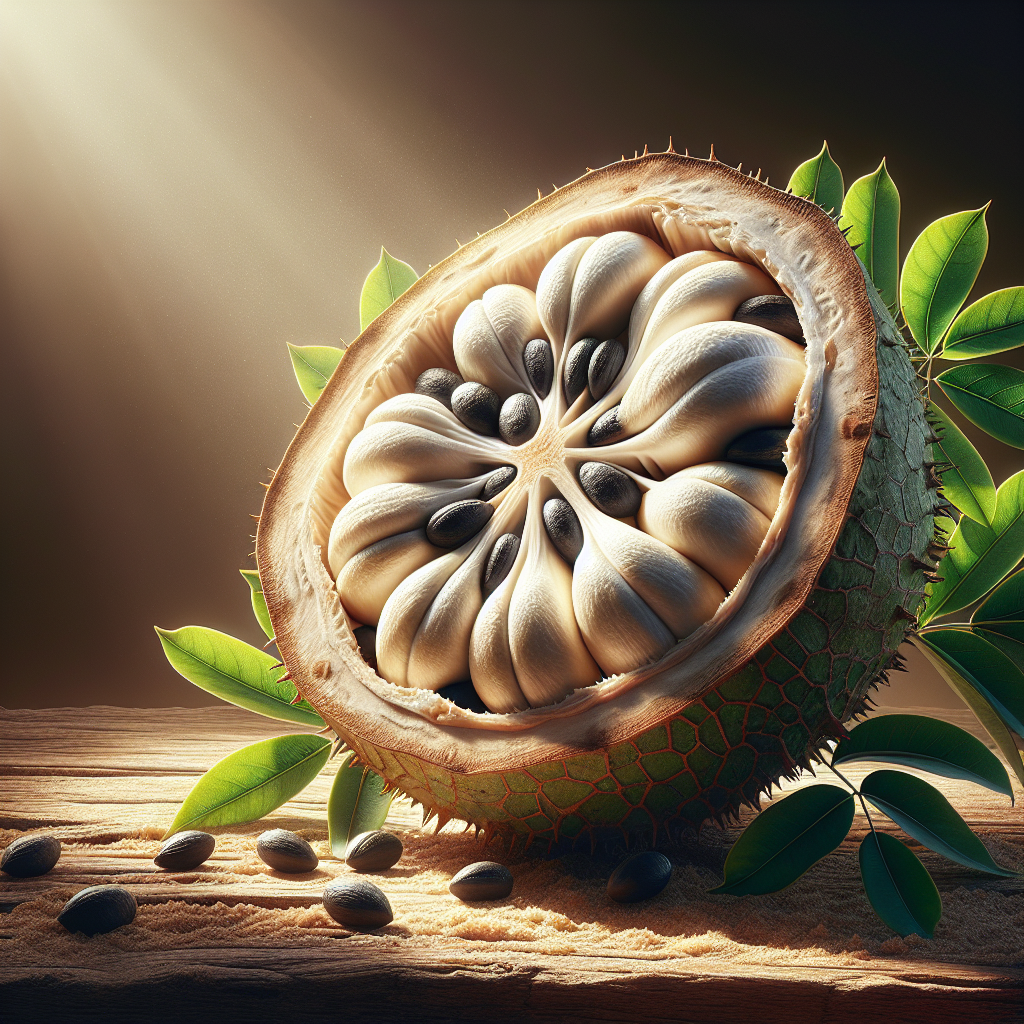
Fruits mature 6-11 months later: velvety, ovoid gourds (10-30cm long, 0.1-6kg) with thick, woody shells hiding acidic pulp and 50% large kidney-shaped seeds. Pulp yields 200-500g/tree initially, up to 200kg from mature specimens. Wood is soft, fibrous, unsuitable for timber but excellent for crafts. Phenology ties to wet seasons: leaf flush, flowering, fruiting align with monsoons.
Genetic diversity peaks in West Africa; select local ecotypes for cultivation. Trees are dioecious (separate male/female), but most hermaphroditic, self-incompatible—plant 20-50 trees/ha for pollination. Growth rate: 0.5-1m/year initially, plateauing after 20 years. Lifespan and carbon sequestration (up to 300 tons/tree) make it a climate-smart crop.
Soil, pH, and Climate Requirements for Baobab (Adansonia digitata)
Baobab epitomizes drought tolerance, surviving <250mm annual rainfall and 40°C summers. Optimal climate: tropical/subtropical, 24-32°C mean, frost-free (dies below -1°C). Thrives in semi-arid savannas (USDA 10-12); marginal in humid tropics due to root diseases. Day length neutral, but short-day flowering in some strains.
Soils: Deep, well-drained sands/loams ideal; tolerates poor, rocky, calcareous soils (pH 5.5-8.5, optimal 6.5-7.5). Avoid waterlogging—clay-heavy soils kill seedlings. Salinity tolerant (ECe 8 dS/m). Test for nematodes pre-planting; amend with organics for juveniles.
Site selection: Full sun, 8+ hours/day; spacing 10-15m for orchard, 20m wild-simulated. Wind protection essential for young trees. In marginal areas, mulch heavily and irrigate first 2-3 years (500-1000L/tree/month dry season). Pairs well with nitrogen-fixers like pigeon pea (crop) for soil improvement.
Step-by-Step Planting & Propagation
Seed Propagation (Primary Method)
- Seed Collection: Harvest ripe gourds (brown, dry, rattling). Extract pulp/seeds; ferment pulp 2-3 days to remove inhibitors.
- Scarification: Soak seeds 24-48h warm water (change daily) or sulfuric acid 10min (lab only). Germination 30-80%.
- Sowing: Plant 2-3cm deep in 50:50 sand-compost, 25-35°C. Shade cloth 50%. Germinates 7-30 days.
- Transplant: At 30-50cm (3-6 months), to 20-50L bags. Harden off gradually.
Vegetative Propagation
Grafting (cleft/bud) on seedling rootstock for dwarfs; cuttings root poorly. Air-layering mature branches viable.
Field Planting
- Timing: Early wet season.
- Pit Prep: 1x1x1m, FYM 10kg + superphosphate 200g.
- Planting: Stake, mulch 2m radius. Irrigate 50L/week first year.
- Density: 40-100 trees/ha commercial; 1/acre homestead. Survival >90% with care. Prune first 3 years for straight trunks.
Care & Maintenance regimes for Baobab (Adansonia digitata)
Water: Minimal post-establishment; deficit irrigation boosts pulp sugars. Drip systems for orchards (200-500mm/year equiv.).
Fertilization: Low needs. Year 1-3: NPK 10:20:20 @ 100g/tree/year. Mature: Broadcast urea 200g + rock phosphate post-leaf fall. Foliar micronutrients (Zn, B) if chlorosis.
Pruning: Remove basal suckers, deadwood. Shape to 4-6 scaffolds. Annular scarring boosts fruit set.
Weeding/Mulching: Organic mulch 10cm thick; suppress grass competes.
Monitoring: Track growth (trunk girth +5cm/year mature). Thin fruits if overload.
Integrated regimes yield 50kg/tree by year 10. Companion with sorghum (crop) under canopy.
Pests, Diseases & Organic Management
Pests:
- Termites (pest): Heap soil around, neem oil drench.
- Rodents/birds: Net fruits, thorny underplant.
- Scale insects (pest), mealybugs (pest): Soap sprays, ladybugs.
- Fruit flies: Bait traps, sanitation.
Diseases:
- Root rot (disease) (Phytophthora): Improve drainage, biocontrol Trichoderma.
- Powdery mildew (disease): Sulfur, airflow.
- Wilt: Resistant rootstocks.
Organic IPM: Neem/azadirachtin rotations, Pherotraps, marigold (crop) borders. Learn more in Why 90% of Small Farms Fail at Pest Management - And 8 Organic Fixes That Actually Work.
Harvesting, Curing & Optimal Storage
Fruits drop naturally (dry season); shake mature pods. Yield: 20-200kg/tree. Hand-harvest green for fresh pulp.
Processing:
- Dry gourds sun 3-7 days.
- Crack shells (hammer), sieve pulp.
- Seeds: Dry 10% MC, store cool.
Storage: Pulp stable 2-3 years (airtight, <20°C, 50% RH). Seeds 5+ years. Pulp retains 90% vitamin C.
Market: Export powder $10-20/kg; process on-farm for value-add.
Companion Planting for Baobab (Adansonia digitata)
Baobab's canopy fosters understory: nitrogen-fixers ([cowpeas](/wiki/cowpeas? wait, use chickpeas Chickpeas (crop)), cereals (millet (crop)), veggies. Repels aphids (pest) naturally. Avoid water-hungry crops near trunk. Gliricidia (crop) for green manure/shade. See Why Companion Planting Feels Like Guesswork for Small Farms - And How AI Makes It Foolproof.