Introduction to Solomon's Seal Root
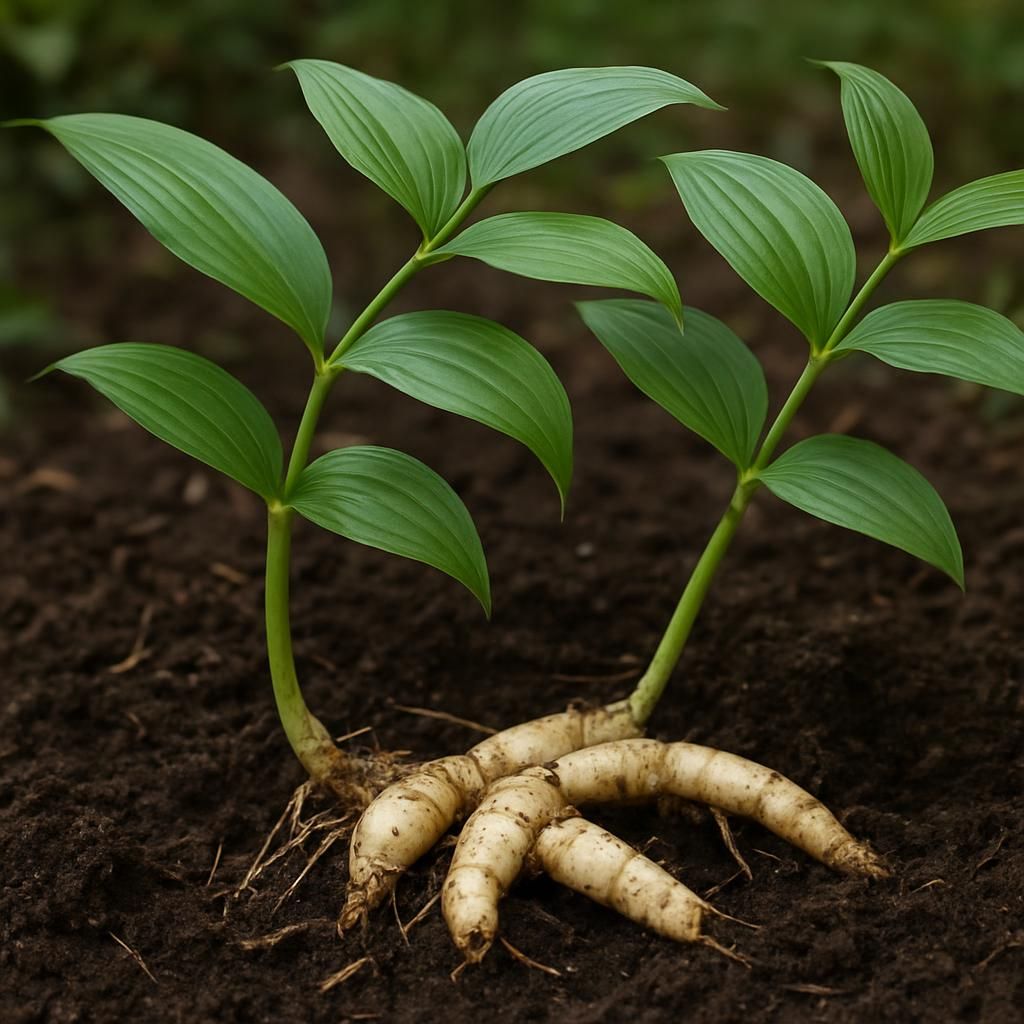
Solomon's Seal Root (Polygonatum biflorum) is a traditional medicinal and ornamental perennial grown for its thick, fleshy rhizomes. The plant produces graceful arching stems with alternate leaves and small bell-shaped flowers in spring. Its roots have been used for centuries in herbal preparations supporting joint health and respiratory wellness. Commercial and small-scale growers appreciate its ability to thrive in shaded woodland settings with minimal inputs after establishment.
This deep-dive guide provides professional-grade, field-tested advice for successful cultivation. You will learn precise soil, climate, and spacing requirements along with step-by-step propagation, seasonal care schedules, integrated pest management, and optimal harvesting techniques. All recommendations emphasize organic and sustainable practices suitable for both market gardeners and home growers.
Botanical Profile of Solomon's Seal Root
Polygonatum biflorum belongs to the Asparagaceae family. It is a herbaceous perennial that spreads slowly via underground rhizomes, forming dense colonies over several seasons. Mature plants reach 60–90 cm in height with smooth, arching stems and paired, ovate leaves. In late spring, pairs of small white flowers hang beneath the leaves, followed by dark blue berries in autumn.
The edible and medicinal portion is the horizontal rhizome, which is creamy-white inside with distinct nodes. Rhizomes store carbohydrates and secondary metabolites responsible for the plant’s therapeutic properties. Because the crop is shade-tolerant and long-lived, it fits well in forest gardens, understory plantings, and perennial polycultures.
Soil, pH, and Climate Requirements for Solomon's Seal Root (MUST INCLUDE A MARKDOWN TABLE OF IDEAL CONDITIONS)
Solomon's Seal Root performs best in fertile, well-drained soils rich in organic matter. It prefers consistent moisture without waterlogging and thrives in partial to full shade. The following table summarizes ideal growing conditions.
| Parameter | Ideal Range | Notes |
|---|---|---|
| Soil Type | Loamy, high in humus | Avoid heavy clay; amend with compost |
| Soil pH | 5.5 – 6.8 | Slightly acidic to neutral |
| Temperature Range | 15–24 °C daytime; 5–12 °C night | Hardy to USDA Zone 3 |
| Light Requirements | Partial shade to full shade | Tolerates dappled sunlight under canopy |
| Spacing | 30–45 cm between plants; 60 cm rows | Allows rhizome expansion |
| Annual Rainfall | 600–1200 mm | Supplement during dry spells |
Step-by-Step Planting & Propagation
- Site Preparation: Choose a shaded location with well-drained soil. Remove weeds and incorporate 5–8 cm of well-rotted compost or leaf mold.
- Rhizome Division: In early spring or autumn, lift established clumps and divide rhizomes into sections containing at least two buds (eyes). Dust cut surfaces with cinnamon or agricultural sulfur to prevent rot.
- Planting Depth: Set rhizome pieces horizontally 5–8 cm deep. Firm soil gently and water thoroughly.
- Mulching: Apply 5 cm of shredded leaves or bark mulch to conserve moisture and suppress weeds.
- Watering: Keep newly planted rhizomes evenly moist for the first 6–8 weeks until new shoots emerge.
Seed propagation is possible but slow; seedlings may take 3–5 years to reach harvestable size. Most commercial growers use division for faster establishment.
Care & Maintenance regimes for Solomon's Seal Root (MUST INCLUDE A MARKDOWN TABLE OF WATER, FERTILIZER, AND PRUNING SCHEDULES)
Once established, Solomon's Seal Root requires minimal intervention. Focus on maintaining soil moisture and organic fertility while allowing natural die-back in autumn.
| Season | Watering Schedule | Fertilizer Application | Pruning / Maintenance |
|---|---|---|---|
| Spring | 25–40 mm per week if rainfall insufficient | Top-dress with 2 cm compost or aged manure | Remove winter debris; divide overcrowded clumps |
| Summer | Maintain consistent moisture; mulch helps | Light fish emulsion (1:10) every 6 weeks | Deadhead spent flowers if desired |
| Autumn | Reduce watering as plants senesce | Apply 3 cm leaf mold or compost | Cut back foliage after first frost |
| Winter | Minimal; ensure good drainage | None | Mulch crowns with 8–10 cm leaves |
Monitor soil moisture weekly during the first two growing seasons. Over-fertilization can lead to excessive foliage at the expense of rhizome development.
Pests, Diseases & Organic Management
Solomon's Seal Root is relatively pest-resistant but can be affected by slugs and snails and occasional aphids. Fungal issues such as leaf spot diseases may appear in overly wet conditions.
Organic controls include hand-picking slugs, applying iron-phosphate baits, and encouraging beneficial insects with flowering understory plants. Improve air circulation by proper spacing and remove infected foliage promptly. Avoid overhead irrigation to reduce foliar disease pressure.
Harvesting, Curing & Optimal Storage
Harvest rhizomes in the third or fourth year after planting, ideally in early autumn after foliage has yellowed. Carefully lift clumps with a garden fork, shaking off excess soil.
Curing: Rinse rhizomes gently and allow to air-dry in a shaded, well-ventilated area for 24–48 hours. Trim damaged sections.
Storage: Place cured rhizomes in breathable containers such as paper bags or wooden crates filled with slightly moist sand or sawdust. Store at 2–5 °C with 85–90 % relative humidity. Properly stored rhizomes remain viable for 4–6 months.
Companion Planting for Solomon's Seal Root
Solomon's Seal Root pairs well with other shade-tolerant woodland species. Compatible companions include Ginger, Turmeric, and Thyme for aromatic pest deterrence. Ferns and Nasturtium provide ground cover that retains moisture and suppresses weeds. Avoid planting with heavy feeders such as Corn that compete for nutrients and light.