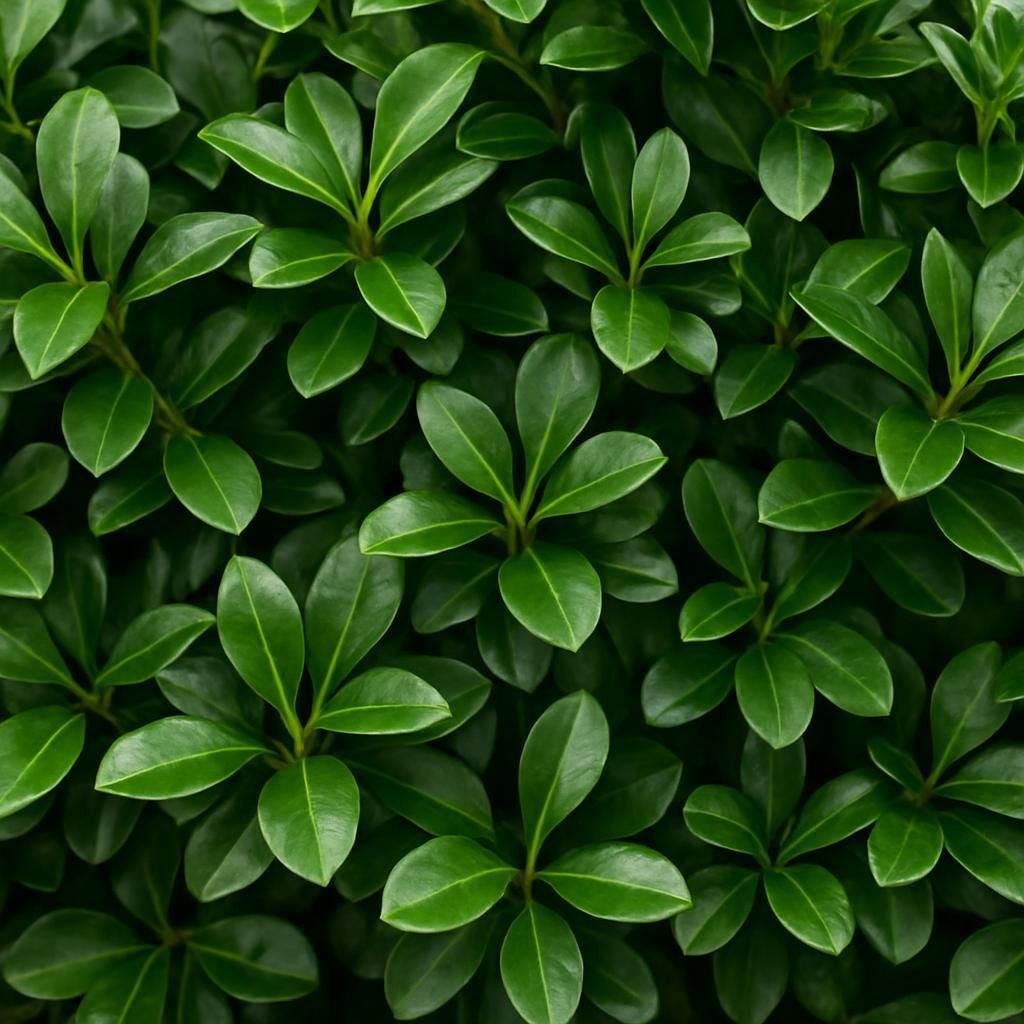
Introduction to privet
Privet (Ligustrum vulgare) has been a cornerstone of European and North American hedging for centuries due to its rapid growth, dense branching, and tolerance of frequent shearing. Originally native to Europe, western Asia, and northern Africa, the species was introduced to North America in the 1800s and quickly became a staple in formal gardens and commercial landscapes. Its small, glossy leaves and ability to form a solid wall of greenery make it ideal for privacy screens, windbreaks, and topiary work. While some regions now classify certain Ligustrum species as invasive, properly managed plantings remain valuable in controlled agricultural and ornamental settings.
Botanical Profile of privet
Ligustrum vulgare is a multi-stemmed shrub that typically reaches 3–5 meters in height and width when left unpruned. Leaves are opposite, lanceolate to ovate, 4–8 cm long, dark green above and paler beneath. Small, fragrant white flowers appear in terminal panicles in early summer, followed by shiny black drupes that persist into winter. The plant exhibits strong apical dominance, which is why regular pruning is essential to maintain density. Its fibrous root system allows quick establishment but also makes it sensitive to prolonged waterlogging.
Soil, pH, and Climate Requirements for privet
Privet performs best in fertile, well-drained loam but adapts to clay and sandy soils once established. It prefers full sun to partial shade and is hardy in USDA zones 5–8. The following table summarizes ideal growing conditions:
| Parameter | Ideal Range | Notes |
|---|---|---|
| Soil Type | Loam to sandy loam | Avoid heavy, poorly drained clay |
| Soil pH | 6.0–7.5 | Slightly acidic to neutral; tolerates 5.5–8.0 |
| Temperature | -20°C to 30°C | Hardy to zone 5; protect young plants from extreme cold |
| Annual Rainfall | 600–1200 mm | Supplemental irrigation needed in dry periods |
| Sunlight | Full sun to partial shade | At least 4–6 hours direct sun for best density |
| Spacing | 30–60 cm for hedges | 1–1.5 m for specimen plants |
Step-by-Step Planting & Propagation
- Site Selection: Choose a location with good drainage and at least 4 hours of direct sunlight. Remove weeds and amend heavy soils with compost.
- Soil Preparation: Test pH and adjust to 6.0–7.5. Incorporate 5–8 cm of organic matter to a depth of 30 cm.
- Planting Time: Best planted in early spring or autumn when soil temperatures are above 10°C.
- Propagation: Take 10–15 cm semi-ripe cuttings in summer; root in a 50:50 peat-perlite mix under mist. Alternatively, layer low branches in spring or sow stratified seed in autumn.
- Planting Depth: Set plants at the same depth as the nursery container; backfill and water thoroughly.
- Initial Spacing: For a dense hedge, plant 30–45 cm apart in a double staggered row.
Care & Maintenance regimes for privet
Consistent watering, balanced nutrition, and timely pruning are the keys to a healthy, dense hedge. The table below outlines recommended schedules:
| Season | Watering | Fertilizer | Pruning Schedule |
|---|---|---|---|
| Spring | 25–40 mm/week until established | Apply 10-10-10 at 50 g/m² | Light trim after new growth appears |
| Summer | 25 mm/week; increase in heat | Side-dress with compost tea | Shear every 4–6 weeks to maintain shape |
| Autumn | Reduce to 15 mm/week | Apply slow-release 5-10-10 | Final shaping cut before frost |
| Winter | Minimal; protect from desiccation | None required | Remove damaged wood only |
Mulch with 5–8 cm of organic material to conserve moisture and suppress weeds. Avoid high-nitrogen fertilizers late in the season to prevent tender growth susceptible to winter injury.
Pests, Diseases & Organic Management
Common pests include aphids, scale insects, and spider mites. These can be managed with horticultural oil, insecticidal soap, or releases of lady beetles and lacewings. Fungal issues such as powdery mildew and leaf spot diseases are reduced by proper spacing, morning irrigation, and removal of fallen leaves. Root rot can occur in poorly drained soils; improve drainage and avoid overwatering. Regular scouting and early intervention with organic sprays keep populations below damaging thresholds.
Harvesting, Curing & Optimal Storage
Privet is primarily grown for its foliage rather than fruit. Harvest cuttings for wreaths or floral arrangements in the morning when turgor is highest. For propagation material, select current-season growth and store in moist sphagnum moss at 4°C for up to two weeks. Dried foliage can be preserved by glycerin treatment: submerge stems in a 1:1 glycerin-water solution for 7–10 days, then hang to cure in a dark, ventilated space. Store finished material in acid-free boxes away from direct light to maintain color.
Companion Planting for privet
Privet forms effective windbreaks and privacy screens when paired with slower-growing evergreens such as yew or boxwood. Underplant with shade-tolerant perennials like hostas or ferns to maximize space. Avoid planting near shallow-rooted crops that compete for surface moisture. In mixed hedgerows, include flowering species such as rosemary or thyme to attract beneficial insects and improve biodiversity.
For additional guidance on soil health and seasonal transitions, see The Truth About Fall Garden Transitions for Small Farm Resilience.