The Overlooked Shift in Season
As daylight shortens and evening temperatures drop, many small-scale growers notice their summer crops slowing dramatically. The window for decisive action is narrower than most expect. Acting now on soil protection and crop planning prevents the common spring scramble that wastes valuable time and resources.
Understanding how to close out the growing season properly is less about rushing and more about creating conditions that allow soil biology to work through the cold months. The difference between a tired plot and a rejuvenated one often comes down to a handful of intentional steps taken in the next few weeks.
Reading Your Current Plots Before Decisions
Before pulling anything out, spend time walking rows and noting what is still producing versus what has already peaked. Observe leaf color changes, root health at the surface, and any lingering insect activity. These quiet observations reveal which areas need immediate cover and which can be left to break down naturally.
A simple notebook entry for each zone helps track patterns year after year. Recording frost dates against actual performance shows which varieties finished early and which held longer. Over time, these records become more valuable than any single season's harvest.
Choosing Cover Crops That Fit Your Climate
Selecting the right cover crop depends on your hardiness zone and how much time remains before consistent freezes. Cereal rye and crimson clover pair well in many northern areas because they establish quickly and protect soil from erosion. In milder regions, daikon radish and field peas offer deep rooting that breaks up compaction without requiring spring termination.
Planting density matters. Broadcasting too thinly leaves gaps where weeds can take hold before winter. A rate of 80-100 pounds per acre for rye or 30-40 pounds for clover usually provides solid coverage when seeded into moist soil.
Managing Residue Without Disturbing Soil Life
Leaving crop residues in place supports microbial activity that continues working below the surface even as air temperatures fall. Chopping larger stems and laying them flat speeds decomposition while still shielding the ground from heavy rains and wind.
Avoid turning the soil deeply at this stage. Each pass with a tiller or spade disrupts fungal networks that have spent the summer building structure. Instead, use a broadfork or simply let winter weather do some of the work.
Layering Mulch for Temperature and Moisture Control
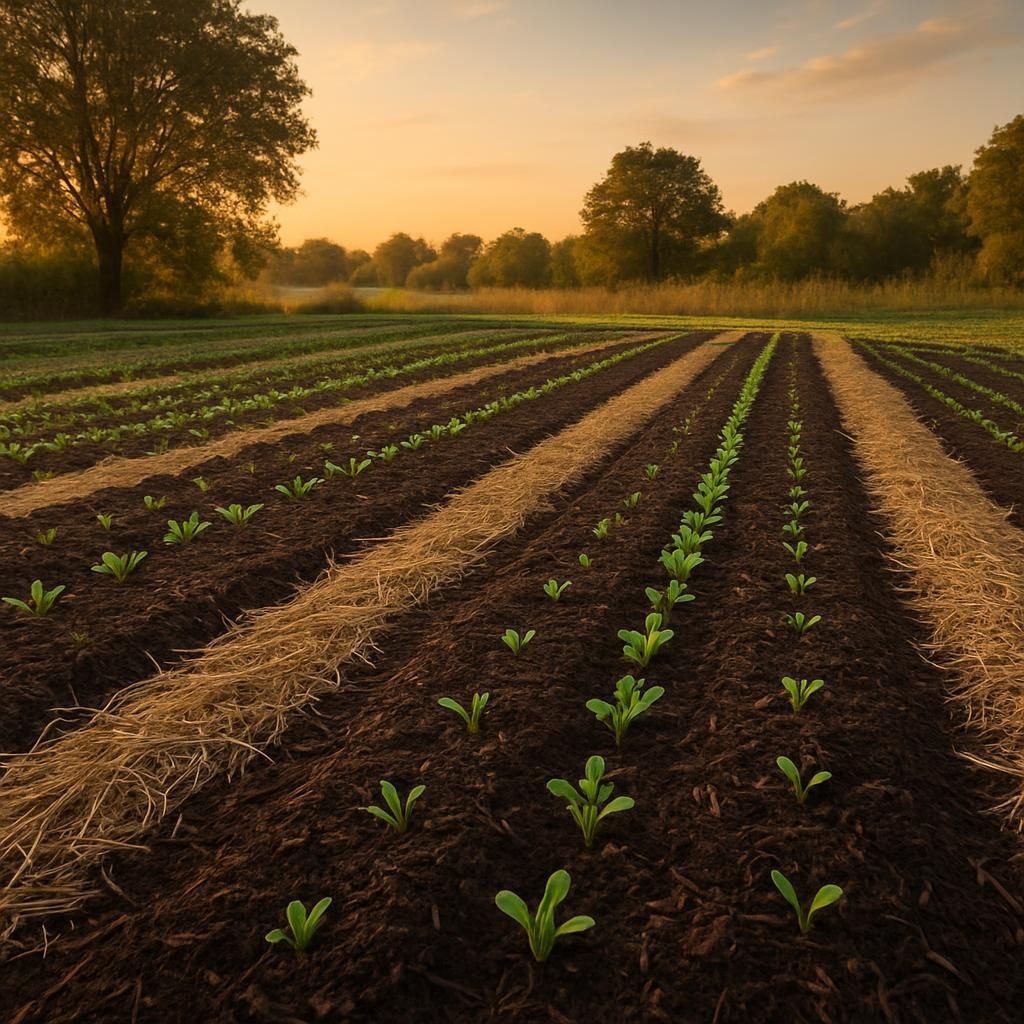
A 3-to-4-inch layer of straw or shredded leaves applied after cover crop establishment moderates soil temperature swings. This buffer keeps roots of overwintering crops from heaving during freeze-thaw cycles and slows moisture loss during occasional warm spells.
For paths and headlands, thicker mulch also reduces compaction from foot traffic when soils are wet. Many growers find that sourcing local straw or leaf mulch keeps costs low while recycling material that would otherwise leave the property.
Planning Spring Succession with Current Data
While soil is still workable, sketch a rough rotation for next season. Note which beds held brassicas, which held nightshades, and which received heavy feeding. This information guides where nitrogen-fixing legumes or low-feeding root crops should go in early spring.
Linking your observations to crop rotation realities helps avoid repeating the same nutrient drains year after year. Keeping the plan simple and flexible allows room for weather surprises.
Recording Expenses and Income for the Season
Now is also an ideal moment to tally seed, amendment, and harvest records while details are still fresh. Categorizing costs by crop type reveals which plantings returned the most value per bed and which may need adjustment next year.
Comparing total income against documented expenses gives a clearer picture of which areas of the operation are truly profitable. This baseline becomes the foundation for better financial decisions when planning spring purchases.
Preparing Tools and Storage for Winter
Clean and oil hand tools, sharpen blades, and inspect irrigation components before storing them. A quick inventory of remaining seed packets shows what needs replenishing and what can carry over. Labeling everything clearly saves hours when spring activity begins again.
Storing amendments in sealed containers protects them from moisture and pests. Many small farms lose valuable materials each winter simply because bags were left open or stacked in damp corners.
Building Momentum for the Year Ahead
The work done in these final weeks determines how much energy will be available for planting when temperatures rise again. Protecting soil structure, choosing appropriate covers, and documenting what worked create a smoother transition into the next season.
Small farms that treat fall as an active planning period rather than an afterthought consistently start spring with clearer goals and healthier ground. The quiet work of October and November pays dividends long after the first seeds of the new year are sown.