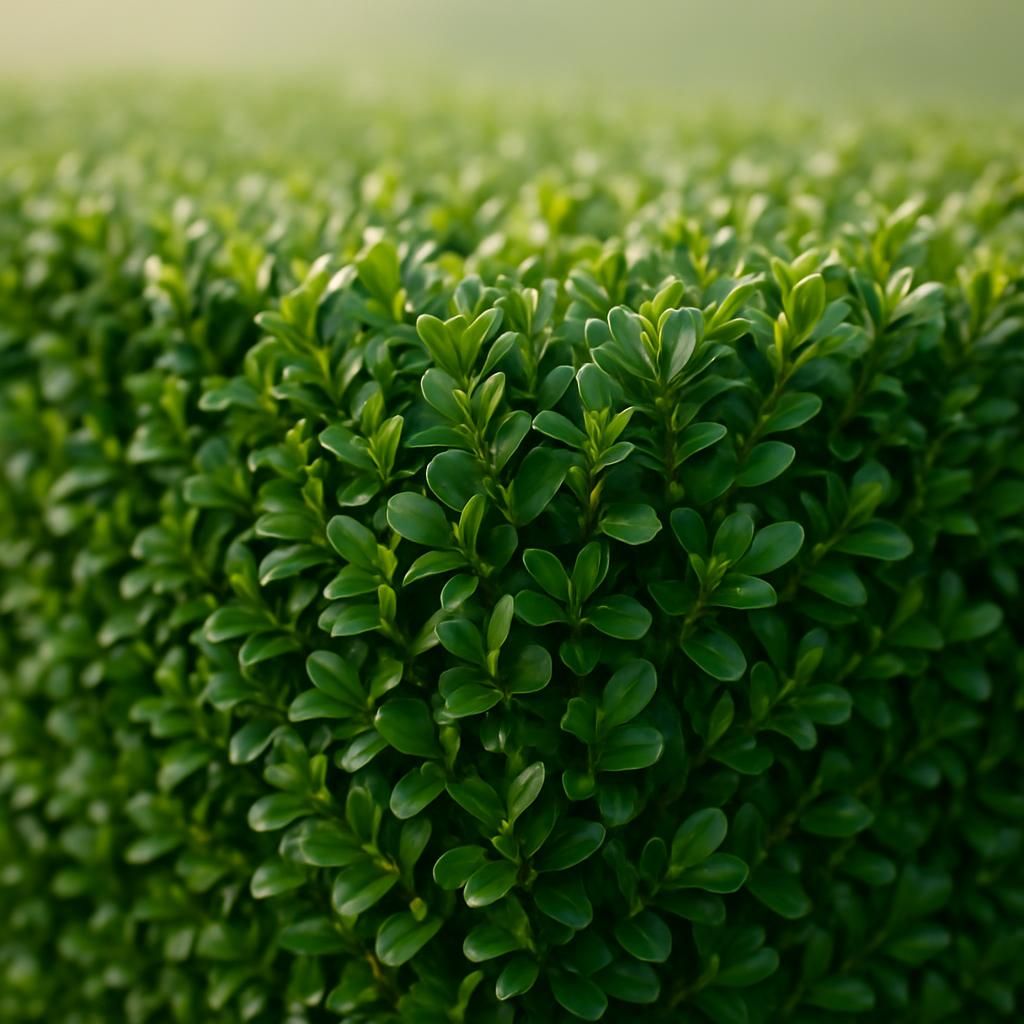
Introduction to boxwood
Boxwood (Buxus sempervirens) has been a cornerstone of formal gardens and agricultural landscapes for centuries due to its dense evergreen foliage, fine texture, and exceptional response to shearing. Professional growers and landscapers value boxwood for creating crisp hedges, intricate topiary, and durable living barriers that require minimal seasonal color changes. Its slow growth rate and longevity make it an economical long-term investment for both commercial nurseries and estate-scale plantings.
Beyond aesthetics, boxwood provides functional benefits including windbreaks, privacy screens, and microclimate moderation in agricultural settings. The wood itself is historically prized for fine carving and instrument making, though modern cultivation focuses almost exclusively on ornamental and structural uses. When managed with proper soil preparation, irrigation discipline, and integrated pest management, boxwood delivers decades of reliable performance with relatively low maintenance inputs.
Botanical Profile of boxwood
Buxus sempervirens belongs to the Buxaceae family and is native to southern Europe, western Asia, and parts of North Africa. The species exhibits opposite, glossy, dark-green leaves that are typically 1–2.5 cm long with entire margins. Flowers are small, yellowish-green, and inconspicuous, appearing in early spring; they are primarily wind-pollinated. Mature plants develop a multi-stemmed habit reaching 2–5 meters in height and width when unpruned, though commercial cultivars are often maintained at 0.5–2 meters.
Boxwood wood is extremely dense and fine-grained, historically used for engraving blocks and musical instruments. The root system is shallow and fibrous, making the plant sensitive to both drought and waterlogging. Several cultivars exist with variations in leaf size, growth rate, and cold hardiness, including ‘Suffruticosa’ (dwarf English boxwood) and ‘Arborescens’ (tree boxwood). Understanding cultivar differences is essential for matching plant material to site conditions and desired maintenance intensity.
Soil, pH, and Climate Requirements for boxwood
Successful boxwood cultivation begins with matching site conditions to the plant’s narrow tolerances. The species performs best in loamy or sandy-loam soils with excellent drainage yet consistent moisture retention. Compacted or heavy clay soils must be amended with organic matter and possibly raised beds to prevent root rot. Boxwood prefers a slightly acidic to neutral pH range and will exhibit chlorosis and stunted growth outside optimal parameters.
Temperature tolerance varies by cultivar, but most selections withstand USDA zones 5–9. Exposure to harsh winter winds or late-spring frosts can cause leaf scorch or bronzing. Full sun to partial shade is acceptable, though afternoon shade in hot climates reduces stress. Elevation and microclimate considerations are important for commercial plantings.
| Parameter | Ideal Range/Value | Notes |
|---|---|---|
| Soil Type | Loamy to sandy loam | Well-drained; avoid heavy clay |
| Soil pH | 6.5–7.2 | Slightly acidic to neutral |
| Temperature Range | 15–24 °C daytime (growing season) | Protect from extreme winter winds |
| Annual Rainfall | 600–1000 mm | Supplemental irrigation required in dry periods |
| USDA Hardiness Zones | 5–9 | Cultivar dependent |
| Light Exposure | Full sun to partial shade | Afternoon shade beneficial in hot regions |
| Spacing (hedge) | 30–60 cm between plants | Closer spacing for formal, dense hedges |
Step-by-Step Planting & Propagation
Site preparation begins 4–6 weeks before planting. Conduct soil tests and amend with well-rotted compost or aged manure to improve structure and drainage. Raised beds or berms are recommended in poorly drained areas. Select healthy, disease-free nursery stock with balanced root-to-shoot ratios.
Planting depth should match the original nursery soil line; deep planting invites collar rot. Backfill with native soil amended 25–30 % with organic matter. Water thoroughly after planting and apply a 5–8 cm layer of organic mulch, keeping mulch 5 cm away from stems. Initial irrigation should maintain even moisture for the first 8–12 weeks while roots establish.
Propagation is most reliably achieved through semi-hardwood cuttings taken in late summer. Cuttings 10–15 cm long with 3–4 leaf pairs are dipped in rooting hormone and placed in a well-drained propagation mix under intermittent mist. Rooting typically occurs in 6–10 weeks. Layering is an alternative method for difficult-to-root cultivars. Seed propagation is rarely used commercially due to slow germination and genetic variability.
Care & Maintenance regimes for boxwood
Consistent cultural practices are the foundation of long-term boxwood health. Irrigation should be deep and infrequent once established, aiming for 25–40 mm of water per week during active growth, adjusted for rainfall and soil type. Overwatering is a common cause of root disease. Fertilization focuses on balanced, slow-release formulations applied in early spring and again in mid-summer at rates of 1–2 kg per 100 m² of actual nitrogen, depending on soil test results.
Pruning maintains density and shape while improving air circulation. Formal hedges are typically sheared twice annually—once in late spring after new growth hardens and again in late summer. Avoid pruning after mid-September in cold climates to prevent winter injury. Hand pruning of individual branches is preferred for topiary and specimen plants to preserve natural form.
| Task | Frequency | Timing | Recommended Rate/Product |
|---|---|---|---|
| Watering (Established) | Deep soak every 7–10 days | Early morning | 25–40 mm/week; adjust for rainfall |
| Fertilizer | 2 applications per year | Early spring & mid-summer | Balanced NPK 10-10-10 slow-release, 1–2 kg N/100 m² |
| Pruning (Hedge) | 2 shearings per year | Late spring & late summer | Remove no more than 1/3 of foliage per cut |
| Mulch Renewal | Annually | Early spring | 5–8 cm organic mulch, keep away from stems |
| Winter Protection | As needed | Late autumn | Windbreaks or anti-desiccant sprays in exposed sites |
Pests, Diseases & Organic Management
Boxwood is susceptible to several insect pests and fungal pathogens that can rapidly degrade plant quality if left unchecked. The boxwood leafminer (Monarthropalpus flavus) is the most destructive pest in many regions, causing blistering and premature leaf drop. Spider mites can also proliferate under hot, dry conditions, leading to stippling and bronzing. Regular scouting and early intervention are critical.
Boxwood blight (Calonectria pseudonaviculata) has become a major concern worldwide, causing rapid defoliation and stem cankers. Strict sanitation, resistant cultivars, and preventive fungicide programs are recommended. Root rot caused by Phytophthora species occurs in poorly drained soils. Organic management includes improving drainage, removing infected material, and applying beneficial microbial inoculants.
Cultural practices that reduce humidity around foliage—such as proper spacing, selective thinning, and morning irrigation—help prevent disease. Neem oil and horticultural oils provide some control of soft-bodied insects while preserving beneficial predators. Integrated pest management combining monitoring, cultural controls, and targeted organic treatments offers the most sustainable long-term solution.
Harvesting, Curing & Optimal Storage
Boxwood is not harvested for edible yield but for vegetative cuttings used in propagation, wreath-making, or floral arrangements. Cuttings should be taken in early morning when turgor is highest. For propagation, select healthy current-season growth and process immediately. Wreath and decorative material can be stored in a cool, humid environment (4–10 °C) with stems in water or floral preservative for up to 10–14 days.
Long-term storage of boxwood greenery requires refrigeration at 1–3 °C with high humidity (85–95 %) and good air circulation. Avoid ethylene-producing fruits nearby. For dried decorative use, material should be air-dried in a dark, well-ventilated space before storage in sealed containers away from light and moisture. Proper post-harvest handling preserves color and reduces fungal risk.
Companion Planting for boxwood
Boxwood pairs effectively with plants that share similar soil and moisture requirements while providing ecological or aesthetic benefits. Thyme and Rosemary planted at the base of hedges offer aromatic pest deterrence and attract beneficial insects. Low-growing perennials such as Yarrow and Clover improve soil biology and reduce erosion between rows.
Avoid planting shallow-rooted aggressive groundcovers that compete for moisture. Deep-rooted companions like certain Lavender varieties can coexist without significant competition. In formal gardens, boxwood is classically combined with roses, salvias, and seasonal annuals that benefit from the structural backdrop and microclimate moderation provided by established hedges. Thoughtful companion choices enhance biodiversity, reduce pest pressure, and improve overall landscape resilience.
For deeper seasonal soil strategies, see The Forgotten Art of Fall Soil Revival: 8 Organic Strategies for Small Farm Resilience.