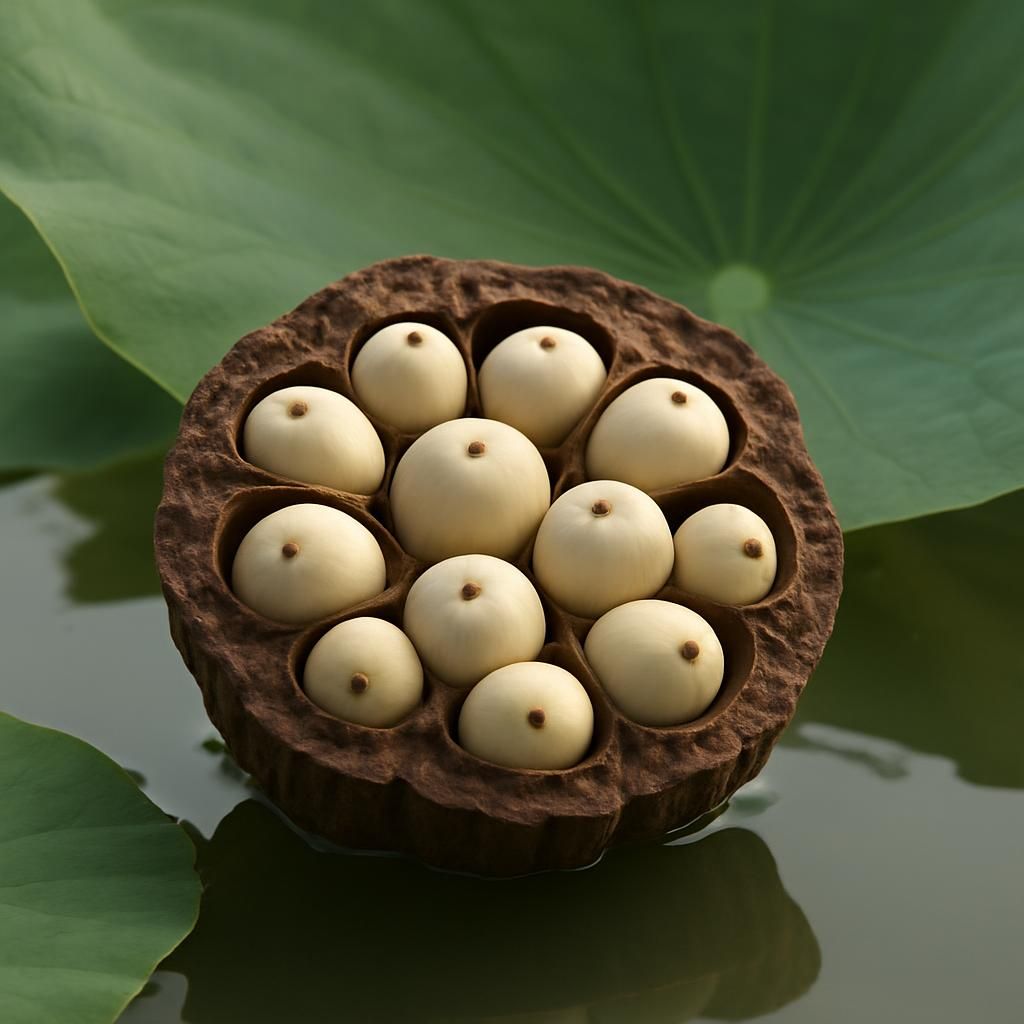
Introduction to Lotus Seed (White)
Lotus Seed (White) refers to the mature, white, edible seeds of the sacred lotus plant, Nelumbo nucifera. Revered across Asia for both culinary and medicinal uses, these seeds are prized for their mild, nutty flavor and exceptional nutritional profile rich in protein, minerals, and antioxidants. Commercial cultivation focuses on high-yielding varieties that produce large, uniform seeds suitable for fresh market, dried, or processed products.
Growing Lotus Seed (White) requires an aquatic environment with careful water management. The crop thrives in shallow ponds, flooded fields, or large containers where rhizomes can spread and produce abundant flowers followed by seed pods. Successful production demands attention to water quality, nutrient balance, and pest control to achieve consistent, high-quality harvests.
This definitive guide provides step-by-step instructions for soil preparation, planting, maintenance, and harvesting based on proven agronomic practices.
Botanical Profile of Lotus Seed (White)
Nelumbo nucifera is a perennial aquatic herb belonging to the Nelumbonaceae family. The plant produces large, peltate leaves that float or rise above the water surface on long petioles. Flowers are typically pink or white and develop into distinctive seed heads containing multiple chambers, each holding a single seed.
White lotus seeds develop from the fertilized ovules within the receptacle. They are oval to round, creamy white when mature, and have a firm yet tender texture. The seeds contain approximately 15-18% protein and notable levels of calcium, magnesium, and phosphorus. Rhizomes serve as the primary propagation material, storing energy and enabling vegetative spread.
Soil, pH, and Climate Requirements for Lotus Seed (White)
Lotus Seed (White) demands fertile, organic-rich substrates in a flooded or saturated environment. The ideal growing medium is a heavy loam or clay soil amended with well-decomposed organic matter to provide sustained nutrition.
| Parameter | Ideal Range | Notes |
|---|---|---|
| Soil Type | Clay loam to heavy loam | High water-holding capacity essential |
| Soil pH | 6.0 - 7.5 | Slightly acidic to neutral optimal |
| Water Depth | 15 - 60 cm | Maintain consistent flooding |
| Water Temperature | 20 - 30 °C | Critical for rhizome and flower development |
| Air Temperature | 20 - 35 °C | Warm subtropical to tropical conditions |
| Sunlight | Full sun (6+ hours) | Essential for photosynthesis and flowering |
| Organic Matter | 5 - 10% | Improves fertility and structure |
| Salinity Tolerance | Low (< 2 dS/m) | Sensitive to brackish conditions |
Step-by-Step Planting & Propagation
- Select healthy rhizome segments 15-20 cm long with at least two growing buds from certified disease-free stock.
- Prepare planting beds or containers with 20-30 cm of amended soil topped by 10 cm of sand or fine gravel.
- Flood the area to 15 cm depth and allow water to stabilize for 48 hours.
- Plant rhizomes horizontally at 5-8 cm depth with buds oriented upward, spacing plants 60-90 cm apart.
- Gradually increase water depth to 30-45 cm as leaves emerge.
- Monitor for initial sprouting within 7-14 days under optimal temperatures.
Alternative propagation via seed involves scarifying hard seed coats and soaking in warm water for 24-48 hours before direct sowing into shallow trays.
Care & Maintenance regimes for Lotus Seed (White)
Consistent water level management and balanced nutrition are critical throughout the growing season.
| Activity | Frequency | Details |
|---|---|---|
| Water Management | Daily monitoring; weekly adjustment | Maintain 30-45 cm depth; avoid sudden fluctuations |
| Fertilizer | Every 3-4 weeks during active growth | Apply balanced aquatic fertilizer (N-P-K 10-10-10) at 2-3 kg per 100 m²; supplement with organic compost |
| Pruning | As needed (monthly) | Remove yellowing leaves and spent flowers to reduce disease pressure |
| Weeding | Bi-weekly | Hand-remove invasive aquatic weeds before they establish |
| Mulching | Once at planting | Light sand layer helps stabilize rhizomes and suppress algae |
Pests, Diseases & Organic Management
Common challenges include Aphids, Spider Mites, and fungal issues such as Powdery Mildew. Monitor leaf undersides weekly and maintain water circulation to deter stagnation.
Organic controls include neem oil sprays for aphids, predatory mites for spider mite suppression, and copper-based fungicides for early-stage fungal infections. Crop rotation with Rice every third season reduces soil-borne pathogen buildup.
Harvesting, Curing & Optimal Storage
Harvest lotus seed pods when the receptacle turns brown and seeds rattle inside (approximately 30-40 days after flowering). Cut pods at the base and extract seeds by hand or mechanical vibration.
Cure seeds by air-drying in shade for 3-5 days until moisture content reaches 12-14%. Store in breathable mesh bags or airtight containers at 10-15 °C with low humidity for up to 12 months. For fresh market, keep seeds refrigerated in water at 4 °C for up to 7 days.
Companion Planting for Lotus Seed (White)
Compatible companions include Watermelon and Cucumber grown on pond edges where excess moisture benefits both crops. Thai Basil planted along banks repels certain insects while adding biodiversity. Avoid planting heavy feeders such as Corn directly adjacent, as nutrient competition can reduce lotus yields.