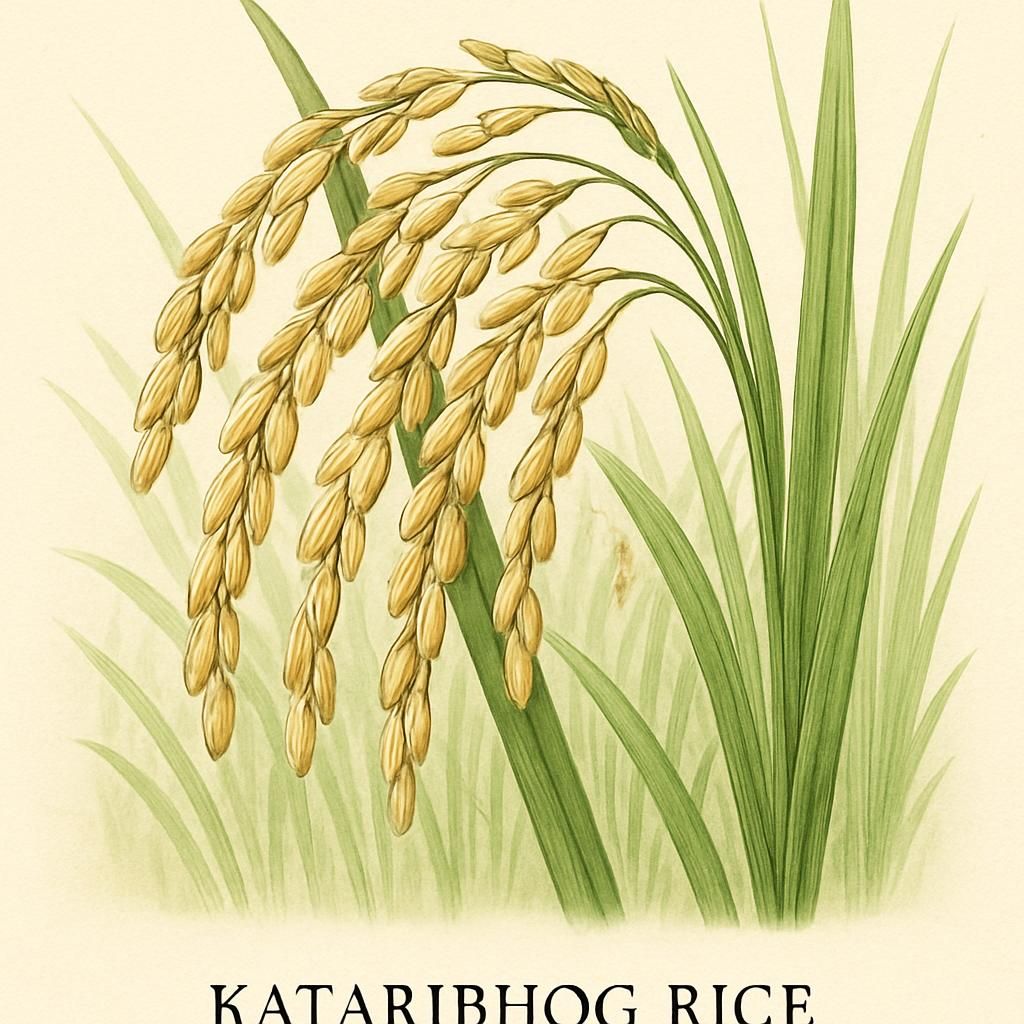
Introduction to Kataribhog Rice
Kataribhog Rice is a cherished rice variety native to the Eastern region of India, particularly West Bengal. Renowned for its rich aroma and fine texture, Kataribhog Rice is often used in gourmet cooking and is integral to many traditional Indian dishes. This variety's unique flavor and aroma make it a sought-after choice for connoisseurs who understand its cultural and culinary significance.
Botanical Profile of Kataribhog Rice
Kataribhog Rice, with the scientific classification Oryza sativa, is a sub-species of the Oryza sativa species. It is an annual grass that grows upright with a tiller producing clusters of grains. The grains of Kataribhog Rice are long and slender, similar to Basmati Rice but less sticky, offering a soft and fluffy texture when cooked.
Soil, pH, and Climate Requirements for Kataribhog Rice
Kataribhog Rice requires specific conditions to thrive, and understanding these environmental needs is crucial for successful cultivation. Below is a table detailing the ideal conditions:
| Factor | Ideal Condition |
|---|---|
| Soil Type | Loamy, well-drained |
| Soil pH | 5.5 to 6.5 |
| Climate | Warm, humid |
| Temperature Range | 20°C to 35°C |
| Rainfall Requirement | 1000 to 1500 mm annually |
For those interested in maximizing soil health and overcoming challenges in soil management, the article The Hidden Power of Mulching: 8 Organic Strategies to Transform Small Farm Soil offers valuable insights.
Step-by-Step Planting & Propagation
Planting Kataribhog Rice follows a systematic approach that ensures a robust yield:
- Seed Selection and Preparation: Select high-quality seeds from a reputable source. Soak the seeds in water for 12-24 hours before planting.
- Nursery Preparation: Prepare seedbeds with a mix of loam and organic compost. Sow the pre-soaked seeds at a depth of 2-3 cm.
- Transplantation: When seedlings reach a height of 15-20 cm (usually 20-25 days), transplant them to the main field, spacing them about 20 cm apart from one another.
- Water Management: Ensure the fields are adequately flooded. Maintain a continuous shallow depth of water in the paddies.
Care & Maintenance Regimes for Kataribhog Rice
Proper care and maintenance are essential to produce a healthy Kataribhog Rice crop. Here is a comprehensive care schedule:
| Activity | Frequency |
|---|---|
| Watering | Maintain 5-10 cm water level during the growing season |
| Fertilizing | Basal dose of NPK (Nitrogen, Phosphorus, Potassium) fertilizers during planting; urea top dressing during key development stages |
| Weed Control | Regular manual weeding or selective herbicides use every 15-20 days |
Pests, Diseases & Organic Management
Common pests affecting Kataribhog Rice include Caterpillars, Thrips, and Spider Mites. Key diseases include blight and root rot. Organic management strategies are pivotal for sustainable farming:
- Employ crop rotation with legumes to improve soil nutrients naturally.
- Utilize neem oil sprays as a natural pesticide.
- Apply Trichoderma viride to control fungal diseases.
For further organic pest control strategies, consider the insights shared in the article Fall Pest Siege: 9 Organic Defenses to Shield Small Farms from Invading Armies.
Harvesting, Curing & Optimal Storage
Harvesting is optimal when the grains change from green to golden yellow. Harvest by cutting the stalks manually or using small-scale mechanical tools. Post-harvest:
- Drying: Spread the grains out to dry in the sun for 2-3 days to reduce moisture content.
- Threshing: Separate grains from the chaff using a mechanical thresher or by traditional manual methods.
- Storage: Store grains in a cool, dry place with proper ventilation. Use vacuum-sealed bags for extended shelf-life.
Companion Planting for Kataribhog Rice
Companion planting is an effective strategy to enhance the growth of Kataribhog Rice and manage pests naturally. Beneficial companion plants include legumes like Soybeans and Clover, which fix nitrogen in the soil, improving soil fertility and rice yields. For further reading on companion planting strategies, the blog Summer Companion Planting: 10 Organic Pairings to Boost Small Farm Resilience provides comprehensive strategies.
By following these guidelines, farmers and enthusiasts alike can enjoy a successful harvest of the delightful Kataribhog Rice while maintaining sustainable practices.