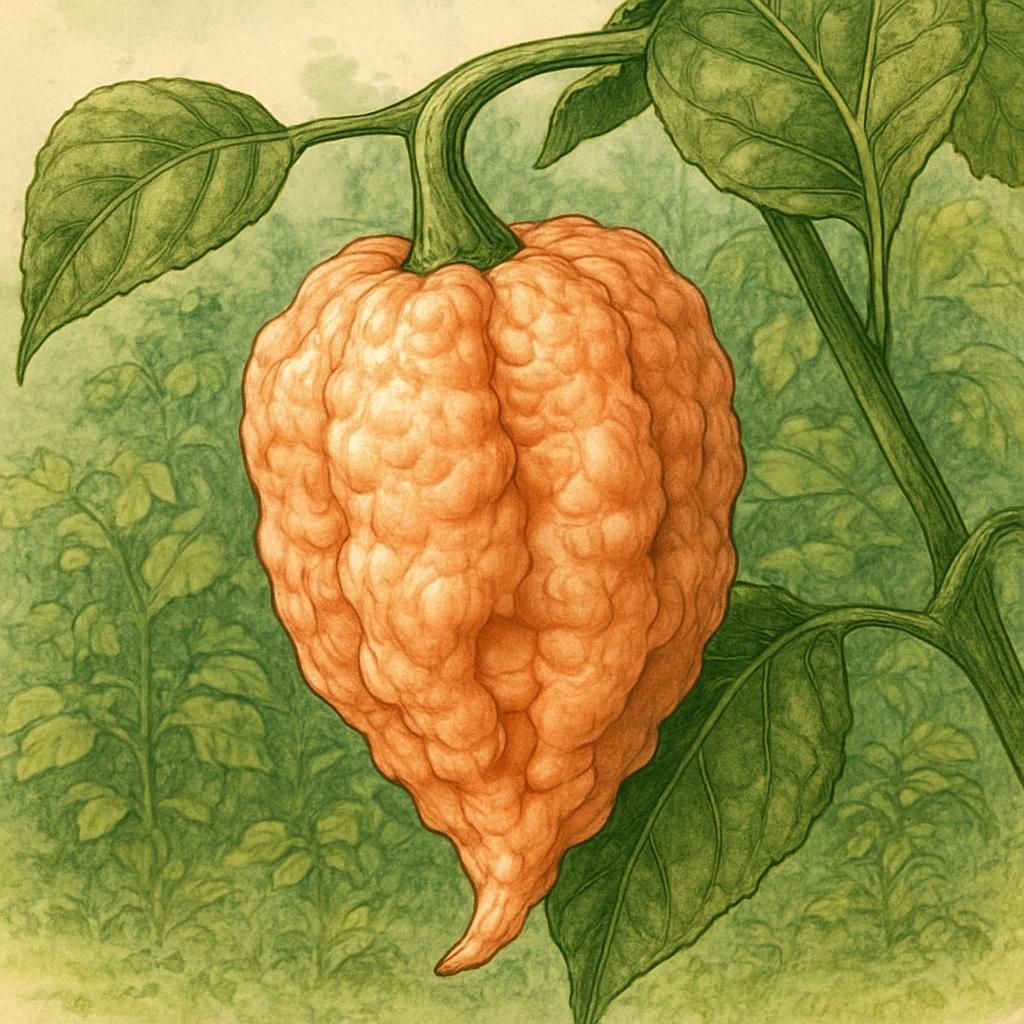
Introduction to Carolina Reaper Peach
The Carolina Reaper Peach is an intriguing variant of the world-record holding Carolina Reaper pepper. Known for its vibrant peach hue and fiery heat, this chili pepper is a favorite among spice aficionados and home gardeners looking for an adventurous addition to their garden. Like its red counterpart, the Carolina Reaper Peach demands specific cultivation conditions, meticulous care, and an understanding of its unique growing requirements.
Botanical Profile of Carolina Reaper Peach
Belonging to the species Capsicum chinense, the Carolina Reaper Peach is a cultivar developed from the iconic red Carolina Reaper. It is characterized by its distinctively wrinkled skin, vibrant peach color, and tail-like appendage. The plant typically grows to a height of 24 to 36 inches, producing formidable peppers that can exceed 1.5 million Scoville Heat Units (SHU) - a testament to its fiery reputation.
Soil, pH, and Climate Requirements for Carolina Reaper Peach
To cultivate the Carolina Reaper Peach successfully, understanding its soil and climate preferences is crucial. Below is a table outlining the ideal conditions for growing this demanding pepper:
| Factor | Ideal Condition |
|---|---|
| Soil Type | Well-drained, sandy loam |
| Soil pH | 6.0 to 7.0 |
| Temperature | 75°F to 85°F (24°C to 29°C) |
| Sunlight | Full sun (6-8 hours of direct light) |
| Humidity | Moderate to high |
Carolina Reaper Peach prefers a warm, sunny climate to thrive and deliver its potent heat level.
Step-by-Step Planting & Propagation
- Seed Starting: Begin by sowing seeds indoors 6-10 weeks before the last frost date. Use a quality seed-starting mix, and maintain a soil temperature of 80-85°F (27-29°C) for optimal germination.
- Transplanting: Once seedlings have at least two sets of true leaves and the risk of frost has passed, transplant them outdoors into prepared garden beds or pots with amended soil rich in organic matter.
- Spacing: Space plants 18-24 inches apart in rows that are 30-36 inches apart, allowing for sufficient airflow and access.
- Watering: Ensure consistent moisture without waterlogging the soil to prevent root rot.
Care & Maintenance Regimes for Carolina Reaper Peach
Proper care and maintenance are vital for the healthy growth of the Carolina Reaper Peach, promoting better yield and disease resistance. The table below outlines important care schedules:
| Care Task | Frequency/Recommendations |
|---|---|
| Watering | 1-2 inches per week, depending on weather conditions |
| Fertilizing | Bi-weekly, using a balanced 5-10-10 fertilizer |
| Pruning | Remove yellow leaves and any diseased growth monthly |
Maintaining optimal care regimes not only enhances plant vigor but also ensures the production of high-quality peppers.
Pests, Diseases & Organic Management
Carolina Reaper Peach is susceptible to several pests and diseases. Common challenges include Aphids, Spider Mites, and Whiteflies. Control these using neem oil or insecticidal soap as organic solutions. Diseases like Powdery Mildew and Root Rot can be managed with proper ventilation and avoiding overwatering.
For a detailed guide on organic disease management, visit our blog post on Crop Diseases Under the Microscope: 9 Organic Fixes for Small Farm Resilience.
Harvesting, Curing & Optimal Storage
Peppers are ready to harvest when they reach full peach coloration, typically 90-120 days after transplanting. Use garden shears to cut the peppers carefully, leaving a small stem. Cure harvested peppers in a ventilated, dry area to further enhance flavor and heat. Store dried peppers in airtight containers for long-term use.
Companion Planting for Carolina Reaper Peach
Companion planting can significantly benefit Carolina Reaper Peach by enhancing growth and deterring pests. Suitable companions include Basil, Marigold, and Onion for pest control and soil health improvement. Avoid planting near other members of the Solanaceae family to minimize disease spread.
For more on improving small farm crop planting, read Spring Companion Planting: 8 Organic Pairings to Maximize Small Farm Yields.