Introduction to Cambuci (Campomanesia phaea)
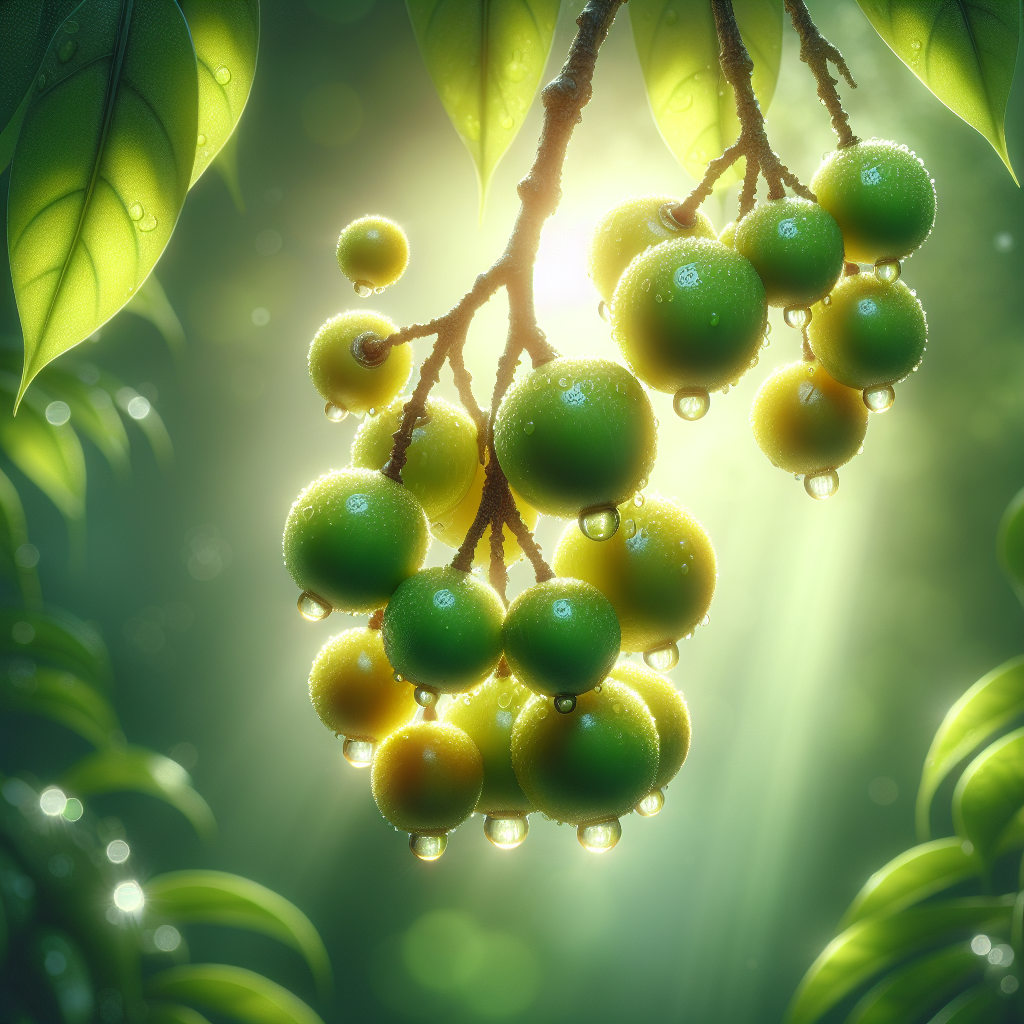
Cambuci, scientifically known as Campomanesia phaea, is an exquisite tropical fruit tree originating from Brazil's Atlantic Rainforest biome. This Myrtaceae family member produces small, round fruits (1-2 cm diameter) with thin, glossy green-to-yellow skin and exceptionally aromatic, translucent flesh that delivers a complex pineapple-guava-passionfruit flavor profile. The fruit's intense perfume can fill entire rooms, making it a sensory delight for fresh eating, juicing, or gourmet preserves.
Despite its commercial potential, cambuci remains undercultivated outside Brazil due to limited propagation knowledge and source material scarcity. However, small-scale farmers in USDA zones 9-11 or equivalent subtropical regions can achieve yields of 20-50 kg per mature tree annually after 4-5 years. Fruits ripen November-February in the Southern Hemisphere, commanding premium prices ($10-20/kg) in specialty markets, farmers' markets, and high-end restaurants. Guava (crop) shares similar growing requirements, making cambuci an excellent diversification crop.
This guide provides professional-grade cultivation protocols developed from Brazilian research institutions (Embrapa) and successful commercial orchards. Expect 3-5 years to first fruit from seed, 2-3 years from grafted stock. Cambuci tolerates light frost (-2°C) once established but demands well-drained, acidic soils and consistent humidity. For small farms battling subtropical pests, see Why 90% of Small Farms Fail at Pest Management - And 8 Organic Fixes That Actually Work.
Botanical Profile of Cambuci (Campomanesia phaea)
Campomanesia phaea is an evergreen tree reaching 5-10m in natural settings, trainable to 4-6m in cultivation. The dense canopy features opposite, lanceolate leaves (5-10 cm) with prominent veins and a leathery texture. New growth emerges bronze-red, maturing to deep green. Creamy-white flowers (1 cm) appear in panicles from axillary buds, primarily spring-early summer, with self-fertile but cross-pollination-enhanced cultivars yielding 20-30% heavier crops.
Fruits develop parthenocarpically in some clones but set heaviest with insect pollinators. Each berry contains 1-3 small, bitter seeds embedded in juicy, seedless-appearing arillate pulp. Brix levels range 12-18°, with total soluble solids averaging 15% and titratable acidity 0.4-0.6%. Vitamin C content rivals citrus (80-120 mg/100g), alongside rich phenolics providing antioxidant benefits. Shelf life post-harvest: 7-10 days at 10°C, extendable to 3 weeks with modified atmosphere packaging.
Root system is fibrous and surface-spreading, sensitive to waterlogging but drought-tolerant once established. Cambuci exhibits CASTOR (Cambuci Alternate bearing Tendency Over Years) with biennial patterns in 30% of seedlings—grafted selections minimize this to <10%. Wood is dense, suitable for small crafts; bark yields tannin-rich extracts used traditionally in Brazil.
Soil, pH, and Climate Requirements for Cambuci (Campomanesia phaea)
Cambuci demands well-drained, acidic soils (pH 4.5-6.0) mimicking its native sandy-loam rainforest origins. Avoid heavy clays; amend with 30-40% pine bark, perlite, or coarse sand for container culture. Organic matter content >5% enhances moisture retention without compaction. Base saturation should target 40-50% with high aluminum tolerance (up to 20% exchangeable Al), distinguishing it from pH-sensitive Myrtaceae like Apple Guava (crop).
Optimal climate: subtropical humid (Köppen Cfa/Cwa), 18-28°C mean annuals, rainfall 1200-2000 mm evenly distributed. Survives 35°C peaks and -3°C brief freezes but growth stalls below 10°C. Humidity >60% prevents bud drop; prolonged dry spells (>45 days) reduce fruit set 50%. Elevation 0-800m ideal; higher altitudes delay maturity but enhance flavor intensity.
Soil preparation protocol: Test pH and CEC beforehand. For new plantings, incorporate 10-15 kg/m² composted pine needles + 200g superphosphate + 100g potassium sulfate. Mulch 10 cm with untreated wood chips or leaves to suppress weeds and maintain cool root zones. Drip irrigation essential in sandy sites; maintain 60-80% field capacity.
Step-by-Step Planting & Propagation
Seed Propagation (for rootstock): Extract seeds from ripe fruit, wash off pulp, air-dry 24h. Stratify at 10°C for 30 days in moist vermiculite to boost germination (60-80%). Sow 1 cm deep in 128-cell trays with 1:1:1 peat-perlite-pine bark mix. Germination 20-40 days at 25-30°C, 80% RH. Prick out at 2 true leaves; harden off gradually.
Grafting (preferred commercial method): Use cleft or veneer graft on 1-2 year rootstocks at 10-20 cm height. Scions from pencil-thick, virus-free wood collected post-harvest. Success rate 75-90% under mist; heal at 25°C, 90% RH. Budding (T-bud) in spring yields 85% take on field rootstocks.
Planting: Site trees 4-6m apart (200-400/ha density). Dig 60x60x60 cm holes, backfill with native soil + amendments. Plant at soil grade; stake loosely. Initial irrigation: 20-40L/tree/week first summer. Apply 200g NPK 10-20-20 at planting, monthly until establishment.
Container Culture: 25-50L pots minimum for landscape; 100L+ for production. Use air-root-pruning fabric pots to prevent circling. Repot every 2 years; fertilize biweekly during growth.
Care & Maintenance regimes for Cambuci (Campomanesia phaea)
Irrigation: Drip schedule: 20-50 L/tree/week, adjusted by tensiometer (20-40 kPa). Deficit irrigate mature trees 30% ETc during hull split to enhance flavor without cracking.
Fertilization: Annual program: 100-200g N, 50-100g P, 150-250g K/tree split 4 applications. Foliar Ca-B-Mn quarterly prevents deficiencies. Soil drench micronutrients yearly.
Pruning: Annual winter heading cuts maintain 4-5m height. Remove deadwood, watersprouts; thin canopy for light penetration (30-50% PAR interior). Tip-bearing habit demands 20-30 cm renewal spurs.
Training: Central leader or open vase; support leaders until 3 years. Mulch perpetually; mow grass alleys.
Pollination Boost: Plant 2+ cultivars; attract native bees with nearby Thyme (crop) or wildflowers.
Pests, Diseases & Organic Management
Primary Pests: Aphids (pest), Scale insects (pest), fruit flies. Neem oil 0.5% weekly; release predatory beetles. Kaolin clay barrier for flies.
Diseases: Anthracnose (disease), Phytophthora root rot (disease), leaf spots. Copper hydroxide pre-monsoon; biofungicides (Trichoderma). Ensure drainage >5 cm/h.
Integrated Program: Beneficial nematodes for root pests; Bacillus thuringiensis for caterpillars. Reflective mulches deter flies 70%. Monitor with sticky traps.
Harvesting, Curing & Optimal Storage
Harvest at full yellow-slip stage (90-120 days post-bloom). Hand-pick into ventilated crates; yield peaks year 5+. Fruits detach with gentle twist; avoid bruises.
Curing: Room temp 20-25°C, 85% RH 2-3 days enhances aroma volatiles 40%.
Storage: 8-12°C, 90-95% RH: 21 days shelf life. Controlled atmosphere (3% O2, 5% CO2) extends 45 days. Process excess into pulp (freeze -18°C up to 12 months).
Postharvest: Hot water dip 48°C/20min controls rots; 1-MCP delays senescence 7 days.
Companion Planting for Cambuci (Campomanesia phaea)
Beneficials: Nasturtium (crop) traps aphids; Marigold (crop) repels nematodes. Legumes (Pigeon pea (crop)) fix N.
Shade/Understory: Ginger (crop), ferns suppress weeds.
Avoid: High N grasses compete roots. Read Why Companion Planting Feels Like Guesswork for Small Farms - And How AI Makes It Foolproof for optimization.