Introduction
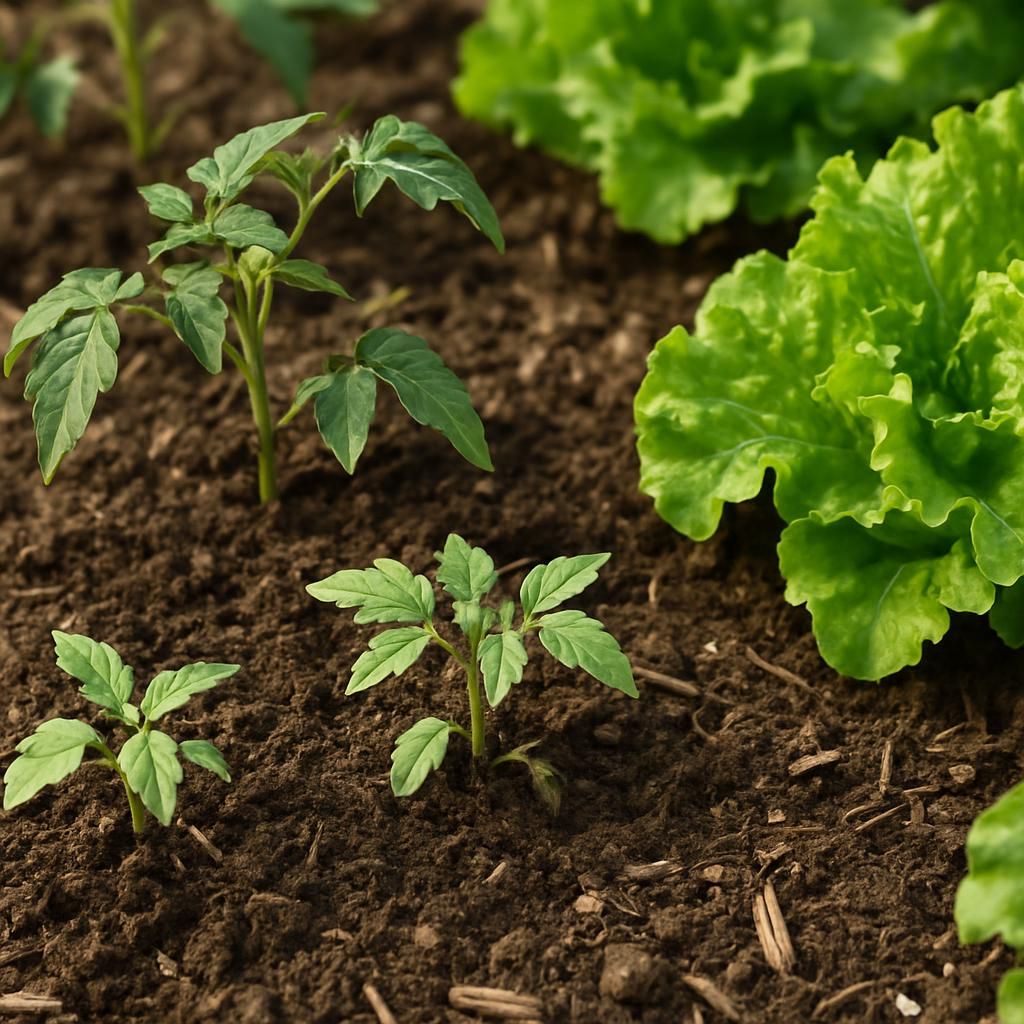
Stunted growth occurs when plants suddenly halt or slow their development despite appearing healthy at first. Leaves may remain small, stems thin, and overall size lags behind expectations for the season. This frustrating issue affects many gardeners and often stems from environmental or nutritional imbalances rather than a single obvious problem. Understanding the root causes allows targeted, organic interventions that restore vigor without synthetic chemicals.
Common Causes
Several factors can trigger random stunted growth. Nutrient imbalances rank among the most frequent, particularly deficiencies in nitrogen, phosphorus, or potassium that limit cell expansion and root development. Soil compaction restricts oxygen and water movement, while poor drainage leads to root rot or oxygen starvation.
Pest pressure from nematodes or soil-borne insects damages roots invisibly. Inadequate light, extreme temperature swings, or inconsistent watering also suppress growth hormones. Over-fertilization with organic amendments can create salt buildup that burns tender roots.
| Cause | Typical Symptoms | Affected Crops |
|---|---|---|
| Nutrient deficiency | Pale leaves, thin stems, slow leaf production | Tomato, Lettuce |
| Soil compaction | Shallow roots, wilting despite moisture | Potato, root vegetables |
| Water stress | Yellowing lower leaves, halted flowering | Cucumber, Pepper |
| Pest damage | Distorted new growth, chewed roots | Carrot, Onion |
Step-by-Step Organic Solutions
Begin with a soil test using a home kit or local extension service to measure pH and nutrient levels. Amend based on results with compost, aged manure, or specific organic fertilizers such as bone meal for phosphorus or kelp meal for trace minerals.
- Loosen compacted soil gently with a broadfork to improve aeration without disturbing established roots.
- Apply a 2-3 inch layer of well-rotted compost around plants, keeping it away from stems.
- Mulch with organic materials like straw or shredded leaves to stabilize moisture and temperature.
- Water deeply but infrequently, aiming for 1 inch per week, adjusting for rainfall.
- Introduce beneficial nematodes or compost tea to suppress soil pests naturally.
- Monitor light exposure and relocate containers or prune overhead branches if plants receive less than six hours of direct sun.
For persistent cases, foliar feed with diluted fish emulsion or seaweed extract every two weeks during active growth periods. Re-test soil after amendments take effect, typically within four to six weeks.
Prevention Tips
Maintain healthy soil biology year-round by rotating crops and incorporating cover crops such as clover or buckwheat. Avoid tilling wet soil to prevent compaction. Choose disease-resistant varieties suited to your climate and provide consistent care from planting onward.
Regular observation catches issues early. Keep garden records noting planting dates, amendments, and weather patterns to identify recurring patterns. Building rich, living soil remains the most reliable long-term strategy for preventing stunted growth across seasons.