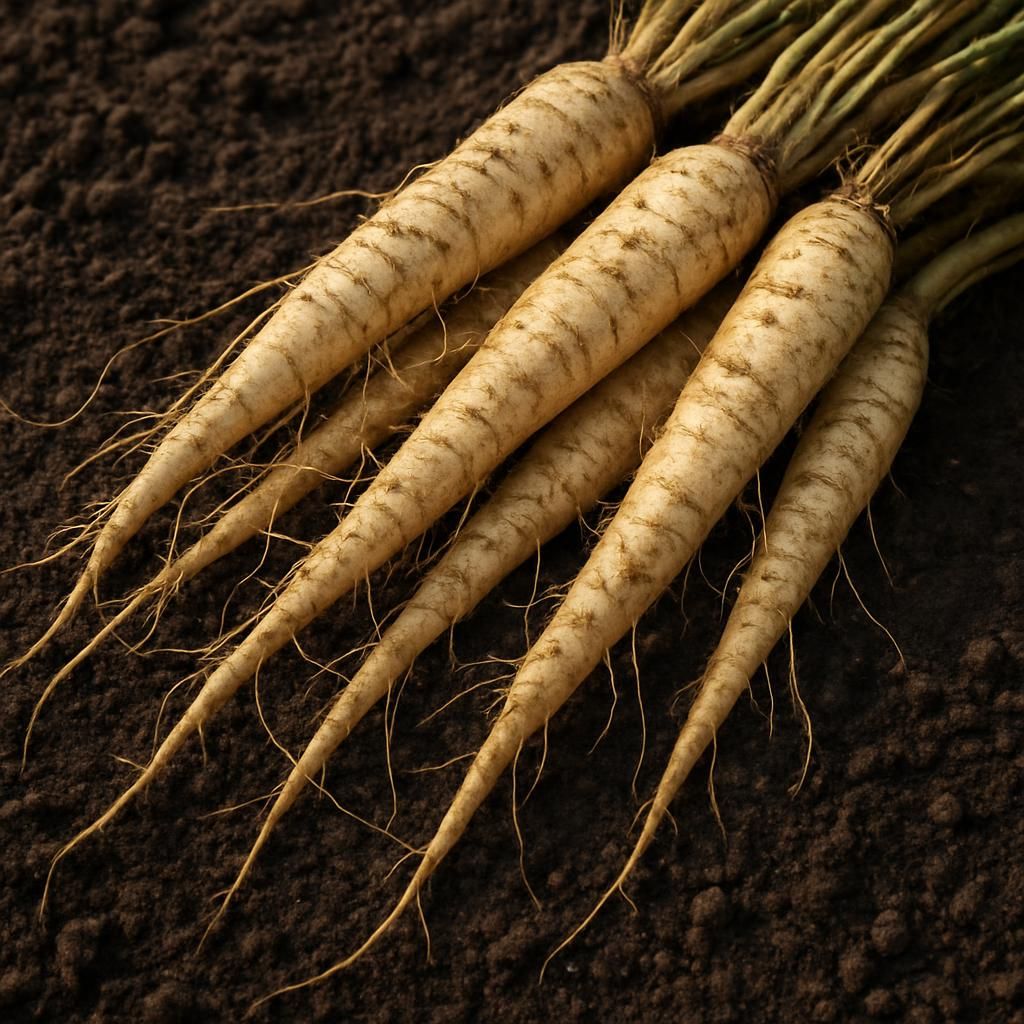
Introduction to Teasel Root
Teasel Root (Dipsacus fullonum) is a biennial plant prized for its long, fleshy taproot and distinctive spiny flower heads. While the plant is best known historically for the use of its dried heads in wool carding, the root has gained renewed attention in traditional herbal practices. Modern growers value Teasel Root for its adaptability to temperate climates and its relatively low input requirements once established. Successful cultivation demands attention to soil depth, biennial lifecycle management, and timely harvest to capture peak medicinal constituents.
The root is typically harvested in the first autumn or second spring before flowering diverts energy reserves. Its robust nature makes it suitable for both small-scale herbal farms and larger diversified operations. Understanding the plant’s preference for well-drained yet moisture-retentive soils is essential for maximizing root size and quality.
Botanical Profile of Teasel Root
Dipsacus fullonum belongs to the Caprifoliaceae family. In its first year the plant forms a basal rosette of lanceolate, prickly leaves that can reach 30–40 cm in length. The second year produces a tall, branched flowering stalk up to 2 m high bearing pale purple, thistle-like inflorescences. The taproot is pale brown, cylindrical, and can exceed 30 cm in depth when grown in deep, loose soil. Seeds are small, dark, and wind-dispersed from the persistent dried heads.
The species is native to Eurasia but has naturalized across much of North America. While often considered weedy in disturbed habitats, intentional cultivation allows growers to control spacing and optimize root development. The plant is hardy to USDA zone 3 and tolerates a wide range of soil textures provided drainage is adequate.
Soil, pH, and Climate Requirements for Teasel Root
Teasel Root performs best in deep, fertile loams with good structure. Avoid compacted or shallow soils that restrict taproot elongation. The plant prefers full sun but tolerates light afternoon shade in hotter regions. Consistent moisture during establishment and root bulking phases is critical, yet waterlogging must be prevented.
| Parameter | Ideal Range | Notes |
|---|---|---|
| Soil Type | Deep loam to sandy loam | Minimum 45 cm depth for unrestricted roots |
| Soil pH | 6.0–7.2 | Slightly acidic to neutral; liming if below 5.8 |
| Temperature Range | 15–25 °C daytime | Tolerates light frost; protect seedlings from hard freezes |
| Annual Rainfall | 600–900 mm | Supplement during dry spells; avoid waterlogging |
| USDA Hardiness Zones | 3–8 | Biennial lifecycle completes reliably in these zones |
| Sun Exposure | Full sun (6+ hours) | Partial shade acceptable in extreme heat |
Step-by-Step Planting & Propagation
Teasel Root is almost exclusively grown from seed. Direct sowing in early spring or late summer produces the strongest plants. Begin by preparing a fine, weed-free seedbed. Sow seeds 3–5 mm deep at a rate of 4–6 seeds per 30 cm row. Thin seedlings to 20–25 cm spacing once they reach the four-leaf stage. For larger roots, consider 30 cm in-row spacing and 60 cm between rows.
Stratification is not required, but cold-moist treatment for 2–3 weeks can improve uniformity in cooler climates. Transplants from plugs are possible but often result in forked roots; direct seeding is preferred. Keep the seedbed evenly moist until germination, which occurs in 10–18 days at 15–20 °C soil temperature.
Care & Maintenance regimes for Teasel Root
First-year plants focus energy on root development. Maintain weed-free rows through shallow cultivation or mulch. In the second year, plants bolt rapidly; support may be needed in windy sites. Remove flower heads promptly if root production is the goal, redirecting assimilates downward.
| Task | Schedule | Details |
|---|---|---|
| Watering | Weekly 25–40 mm during growth | Increase to 50 mm in peak summer heat |
| Fertilizer | Early spring & mid-summer | 5-10-10 NPK at 200 kg/ha; side-dress with compost tea |
| Pruning | Second-year bolting stage | Remove developing flower stalks at 30 cm height to favor roots |
Pests, Diseases & Organic Management
Teasel Root is relatively pest-resistant, yet aphids and Spider Mites can colonize stressed plants. Monitor leaf undersides weekly. Organic controls include insecticidal soaps and strong water sprays. Slugs may damage seedlings in wet springs; use iron-phosphate baits.
Root rots caused by Pythium and Phytophthora are the primary disease concerns in poorly drained soils. Improve drainage and rotate away from solanaceous crops. Fungal leaf spots are rare but can be managed with copper-based sprays if humidity remains high. Practice strict sanitation by removing crop debris each winter.
Harvesting, Curing & Optimal Storage
Harvest first-year roots in late autumn after foliage yellows, or second-year roots in early spring before bolting. Use a digging fork to loosen soil around the plant, then lift carefully to avoid breaking the taproot. Wash roots gently with a soft brush, then air-dry for 24 hours. Slice lengthwise if diameter exceeds 3 cm to speed drying.
Cure in a shaded, well-ventilated area at 25–30 °C until roots snap cleanly. Store in breathable paper bags or mesh sacks in a cool, dark location (10–15 °C, 50–60 % RH). Properly cured roots retain potency for 18–24 months. Label each batch with harvest date and lot number for traceability.
Companion Planting for Teasel Root
Teasel Root benefits from pairings that improve soil structure and deter pests. Deep-rooted Comfrey (not in wiki list) helps break compaction and supplies dynamic potassium. Aromatic herbs such as Thyme mask the plant’s scent from aphids. Avoid planting near Carrot or Parsnip (not in wiki list) to reduce shared pest pressure. Interplanting with Clover as a living mulch supplies nitrogen and suppresses weeds between rows.
For diversified systems, consider edge plantings of Yarrow to attract beneficial insects. Maintain at least 1 m separation from shallow-rooted leafy greens to prevent competition during the first season. Record companion performance each year to refine future layouts.