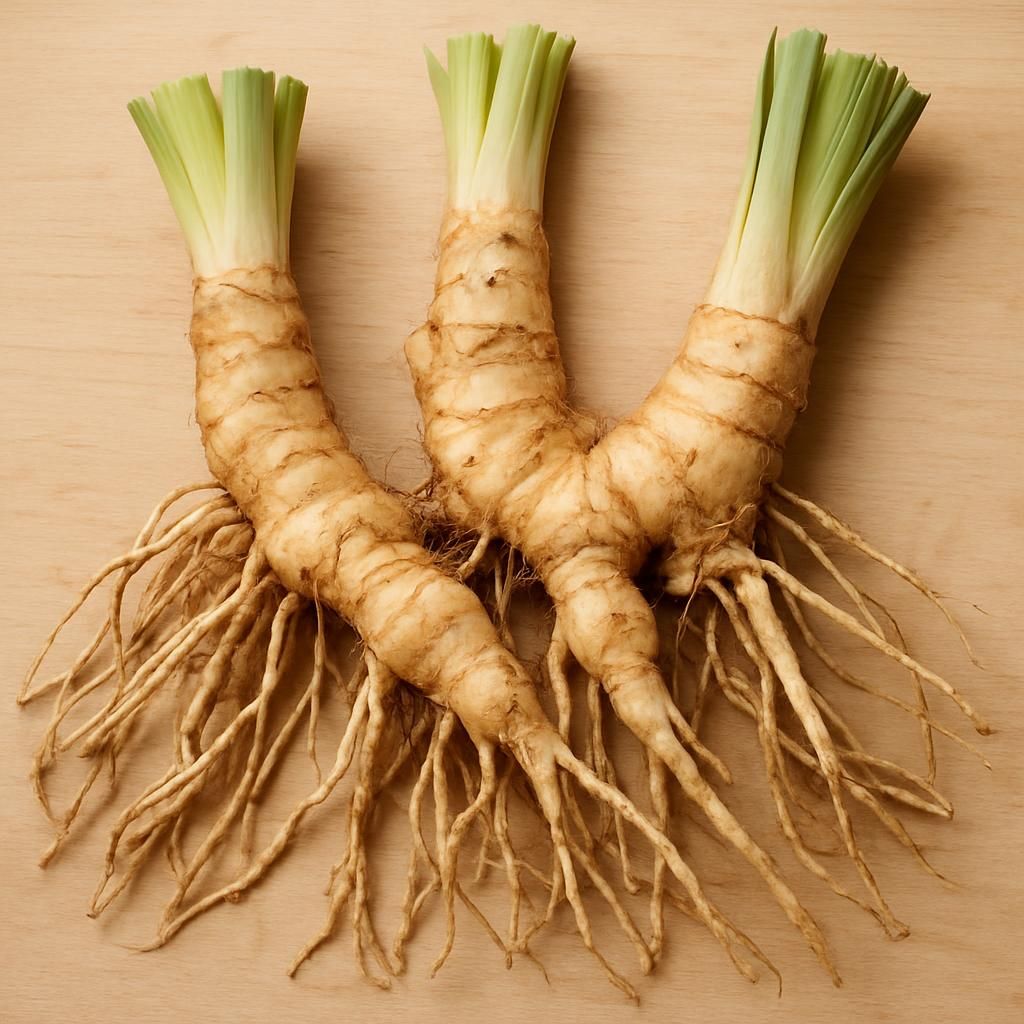
Introduction to Orris Root (Iris germanica)
Orris root (Iris germanica) is one of the oldest aromatic crops still cultivated today. The dried and aged rhizomes yield a powdery, violet-scented essential oil used in high-end perfumery, potpourri, and traditional herbal preparations. Commercial production remains concentrated in Mediterranean climates where the plant’s three-year growth cycle and post-harvest curing process can be completed reliably.
Botanical Profile of Orris Root (Iris germanica)
Iris germanica is a rhizomatous perennial in the Iridaceae family. Plants produce fans of sword-shaped, glaucous leaves 30–60 cm tall and branched flower stalks bearing large, fragrant blooms in shades of purple, blue, or white. The rhizomes are thick, fleshy, and branched, storing starches and aromatic compounds that intensify during curing. Flowering typically occurs in late spring, after which the plant focuses energy on rhizome expansion.
Soil, pH, and Climate Requirements for Orris Root (Iris germanica)
Iris germanica demands excellent drainage and alkaline conditions. Heavy clay or waterlogged soils cause rapid rhizome rot. The plant is winter-hardy to USDA zone 3 but performs best in regions with hot, dry summers that promote essential-oil development.
| Parameter | Ideal Range/Value | Notes |
|---|---|---|
| Soil Type | Sandy loam to loam | High organic matter but free-draining |
| Soil pH | 7.0–8.0 | Alkaline conditions enhance fragrance |
| Temperature | 15–30 °C growing season | Tolerates -15 °C dormancy |
| Annual Rainfall | 400–700 mm | Supplemental irrigation in dry periods |
| Sunlight | Full sun (≥6 hours) | Partial shade reduces oil content |
| Elevation | 0–1,200 m | Higher elevations can intensify aroma |
Step-by-Step Planting & Propagation
- Select certified disease-free rhizomes or divisions from vigorous mother plants.
- Prepare beds by incorporating 5–8 cm of well-rotted compost into the top 30 cm of soil; raise beds 15 cm if drainage is marginal.
- Plant rhizomes horizontally 5–8 cm deep and 30–45 cm apart in rows 60–75 cm apart during late summer or early autumn.
- Water thoroughly after planting, then reduce frequency to encourage deep rooting.
- Mulch lightly with gravel or coarse bark to suppress weeds and maintain soil warmth.
Care & Maintenance regimes for Orris Root (Iris germanica)
Consistent but minimal intervention keeps rhizomes healthy and aromatic. Over-fertilization produces lush foliage at the expense of oil concentration.
| Season | Watering Schedule | Fertilizer Application | Pruning/Maintenance |
|---|---|---|---|
| Spring | 25–30 mm/week if rainfall insufficient | Light top-dress with aged compost | Remove winter-damaged foliage |
| Summer | Deep soak every 10–14 days | None after flowering; avoid nitrogen | Deadhead spent blooms to redirect energy |
| Autumn | Reduce to encourage dormancy | None | Divide overcrowded clumps every 3–4 years |
| Winter | None (natural rainfall or snow cover) | None | Clean beds of debris to reduce overwintering pests |
Pests, Diseases & Organic Management
Iris germanica is relatively pest-resistant but can suffer from Iris borer larvae, slugs and snails, and rhizome rots caused by Pythium and Phytophthora. Cultural controls include excellent drainage, crop rotation, and removal of old foliage. Neem oil or Bacillus thuringiensis sprays target borers; iron-phosphate baits manage slugs. Avoid overhead irrigation to minimize fungal leaf spots.
Harvesting, Curing & Optimal Storage
Rhizomes reach peak aroma after three full growing seasons. Harvest in mid-to-late summer when foliage begins to yellow. Lift plants carefully, trim leaves to 5 cm, wash soil from rhizomes, and peel the outer cork layer. Dry in a shaded, well-ventilated area for 2–3 days, then cure in sealed containers or paper sacks for 2–3 years at 15–20 °C and 40–50 % humidity. Properly cured orris develops its signature violet scent and can be stored for several additional years.
Companion Planting for Orris Root (Iris germanica)
Orris root pairs well with drought-tolerant Mediterranean herbs such as Thyme, Rosemary, and Lavender that share similar soil and water needs. These aromatic companions can mask the scent of orris foliage from browsing pests while improving overall bed biodiversity. Avoid planting near moisture-loving crops such as Tomato that require frequent irrigation.