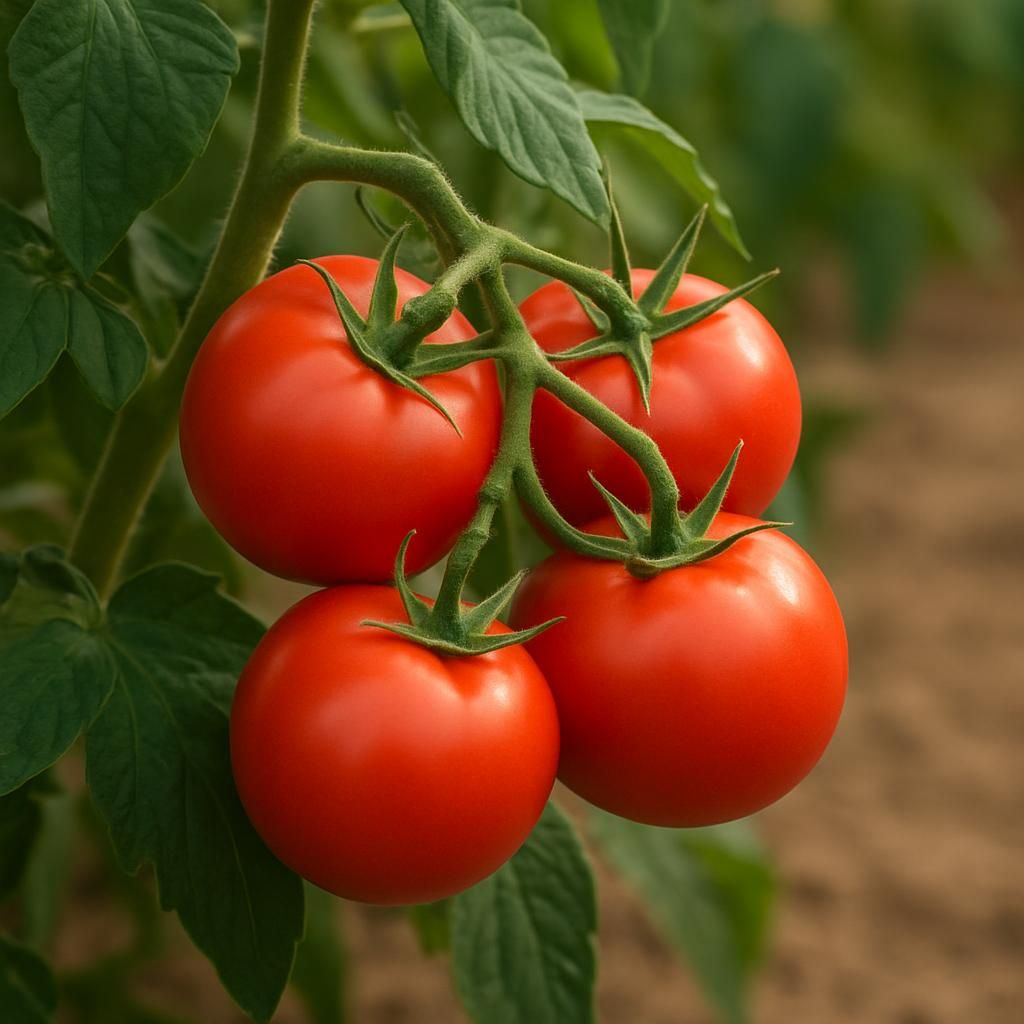
Introduction to Oregon Spring Tomato
Oregon Spring Tomato is a determinate, early-season cultivar developed by Oregon State University specifically for cool-climate production. It consistently sets fruit under temperatures that cause blossom drop in many other varieties, making it a top choice for northern latitudes and high-elevation gardens. Gardeners value its compact habit, disease resistance, and reliable production of 4–6 oz slicing tomatoes that ripen 55–65 days after transplant.
Botanical Profile of Oregon Spring Tomato
Oregon Spring belongs to the nightshade family (Solanaceae) and exhibits a compact, bush-type growth habit typical of determinate tomatoes. Plants reach 24–36 inches in height with sturdy stems and dark-green, compound leaves. The variety produces clusters of 4–6 fruits that mature uniformly, displaying a classic red color with a slightly flattened globe shape. Its genetic tolerance to cooler nights allows successful fruit set when nighttime temperatures dip into the low 50s °F.
Soil, pH, and Climate Requirements for Oregon Spring Tomato
Successful production begins with well-drained, fertile loam amended with 2–3 inches of compost. The following table summarizes optimal growing conditions:
| Parameter | Ideal Range | Notes |
|---|---|---|
| Soil Type | Sandy loam to loam | High organic matter improves drainage |
| Soil pH | 6.2–6.8 | Avoid acidic soils below 6.0 |
| Day Temperature | 65–80 °F (18–27 °C) | Optimal fruit set occurs in this window |
| Night Temperature | 50–60 °F (10–15 °C) | Tolerates cooler nights than most varieties |
| Frost-Free Period | 55–70 days | Early transplanting possible with protection |
| Spacing | 18–24 in within rows; 36–48 in between rows | Supports airflow and ease of harvest |
Step-by-Step Planting & Propagation
- Start seeds indoors 6–8 weeks before the last expected frost at 70–75 °F soil temperature.
- Harden seedlings for 7–10 days by gradually exposing them to outdoor conditions.
- Transplant outdoors once soil reaches 60 °F and nighttime lows remain above 50 °F.
- Dig holes 18 inches apart, incorporate a handful of balanced organic fertilizer, and set plants slightly deeper than the original pot depth.
- Water thoroughly after planting and apply a 2-inch layer of straw mulch to conserve moisture and suppress weeds.
Care & Maintenance regimes for Oregon Spring Tomato
Consistent care maximizes yield and fruit quality. The table below outlines recommended schedules:
| Task | Frequency | Details |
|---|---|---|
| Watering | 1–1.5 inches per week | Deep, infrequent irrigation; maintain even moisture to prevent cracking |
| Fertilizer | At planting + every 3 weeks | Side-dress with 5-5-5 organic blend or fish emulsion at 1 tbsp per plant |
| Pruning | Once at 12–18 inches | Remove lower suckers to improve airflow; determinate habit requires minimal pruning |
Pests, Diseases & Organic Management
Common threats include Aphids, Spider Mites, and Early Blight. Scout weekly and release beneficial insects such as lady beetles for aphid control. Apply neem oil or insecticidal soap at the first sign of mites. Prevent fungal issues by spacing plants properly, mulching, and avoiding overhead watering. Copper-based sprays provide organic protection against early blight when applied preventively.
Harvesting, Curing & Optimal Storage
Harvest fruits when they reach full color and yield slightly to gentle pressure. Pick at the breaker stage for shipping or long-term storage. Allow green tomatoes to ripen indoors at 65–70 °F; avoid refrigeration below 55 °F which causes flavor loss. Properly stored ripe tomatoes last 5–7 days at room temperature.
Companion Planting for Oregon Spring Tomato
Pair Oregon Spring with Basil to repel pests and improve flavor. Marigold and Nasturtium deter nematodes and aphids. Avoid planting near Fennel or Walnut trees, which can inhibit tomato growth. Blog post: Summer Companion Planting: 10 Organic Pairings to Boost Small Farm Resilience