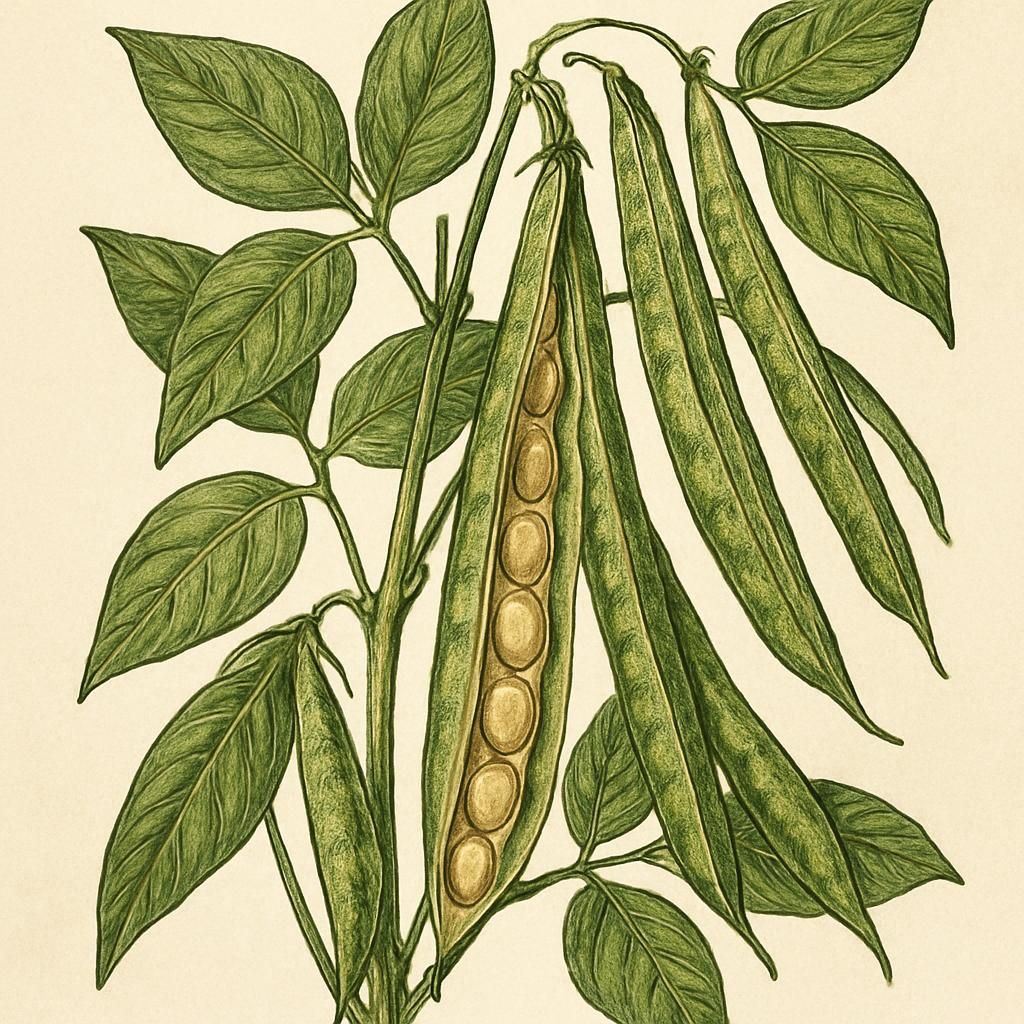
Introduction to Mung Bean (Berken)
Mung Bean (Berken) is a variant of the Vigna radiata species, widely valued for its contribution to both nutritional and soil health. As a staple in many Asian cuisines, mung beans provide a rich source of protein, fiber, and essential nutrients. This legume is not only beneficial for personal health but also improves soil fertility due to its nitrogen-fixing capability.
Botanical Profile of Mung Bean (Berken)
Native to the Indian subcontinent, the Mung Bean has been cultivated for millennia. It belongs to the Fabaceae family and is recognized for its slender annual vines growing up to 2-3 feet tall. The leaves are trifoliate with elliptical leaflets, and the plant produces small yellow flowers which turn into brown pods containing small, oval, green seeds.
Soil, pH, and Climate Requirements for Mung Bean (Berken)
To ensure optimal growth, understanding the soil, pH, and climate preferences for Mung Bean (Berken) is essential.
| Parameter | Ideal Condition |
|---|---|
| Soil Type | Well-drained loamy soil |
| Soil pH | 6.5 to 7.5 |
| Climate | Warm and humid |
| Temperature Range | 21-35°C (70-95°F) |
| Rainfall | 600-800mm annually |
Step-by-Step Planting & Propagation
Step 1: Site Selection and Preparation
Choose a site with full sun exposure and well-drained soil. Prepare the seedbed by tilling the soil to remove weeds and ensure good soil aeration.
Step 2: Sowing
Sow the seeds directly into the prepared soil at a depth of 1-2 inches. Space the seeds about 6-12 inches apart in rows that are 18 inches apart.
Step 3: Watering
Water the newly sown seeds lightly. Ensure the soil remains moist but not waterlogged during the germination period.
Step 4: Spacing
Thin the seedlings to 6 inches apart once they have established, ensuring adequate air flow between plants to prevent fungal diseases.
Care & Maintenance Regimes for Mung Bean (Berken)
Consistent care and appropriate maintenance practices are critical for healthy Mung Bean (Berken) crops.
| Task | Schedule |
|---|---|
| Watering | Weekly |
| Fertilizing | Every 3 weeks |
| Pruning | Not necessary |
- Watering: Mung Beans require consistent moisture, especially during flowering and pod development stages.
- Fertilizing: Use a low nitrogen fertilizer if needed, as Mung Beans naturally fix nitrogen in the soil.
Pests, Diseases & Organic Management
Mung Beans are susceptible to several pests and diseases. Common pest issues include Aphids and Spider Mites, while diseases include the mung bean yellow mosaic virus.
- Organic Management:
- Use neem oil or insecticidal soaps to manage aphids and mites.
- Implement crop rotation to reduce disease buildup in the soil.
- Introduce beneficial insects like ladybugs to naturally control pest populations.
Harvesting, Curing & Optimal Storage
- Harvesting: Mung Beans can be harvested when the pods are fully developed and begin to dry naturally on the plant.
- Curing: Dry the beans in a well-ventilated area until they reach a moisture content below 13%.
- Storage: Store the dry beans in airtight containers in a cool, dark place to maintain quality and prevent pest infestation.
Companion Planting for Mung Bean (Berken)
Optimal companion plants for Mung Beans include Soybeans, Maize, and Cherry Tomato, as they can benefit from mutual shade and pest control.
Enhance your understanding of strategic planting and sustainability by reading Summer Companion Planting: 10 Organic Pairings to Boost Small Farm Resilience.