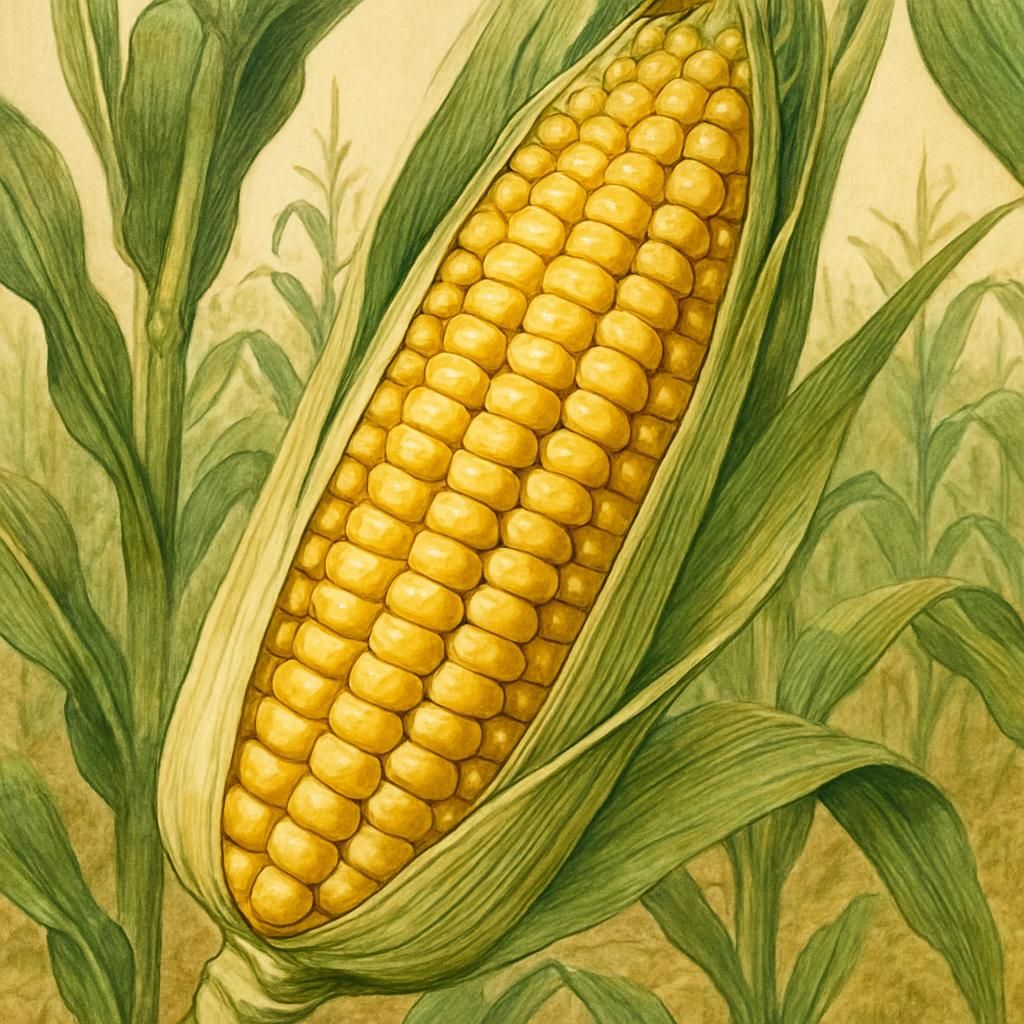
Introduction to Maize (Reid's Yellow Dent)
Reid's Yellow Dent maize, a staple in the agricultural landscape, is a type of dent corn named for its characteristic indentation. Originating in the Midwest United States, this particular variety is widely cultivated for its high starch content and adaptability across diverse farming environments. It serves not only as a key source of livestock feed but also plays a crucial role in the production of industrial products and as a parent line in hybrid seed development.
Botanical Profile of Maize (Reid's Yellow Dent)
Reid's Yellow Dent is a robust annual grass in the Poaceae family, which thrives under a range of climates. The stalk of the maize plant can reach up to 10 feet, supporting large ears containing kernels that are yellow with a dimple or 'dent' on the surface. Its botanical intrigue is complemented by its economic importance, making it a focus of extensive cultivation in regions such as the Corn Belt of the United States.
Soil, pH, and Climate Requirements for Maize (Reid's Yellow Dent)
To achieve optimal yields, it is essential to provide Reid's Yellow Dent with the right growing conditions. Proper soil management, pH, and climate are crucial.
| Parameter | Ideal Range |
|---|---|
| Soil Type | Loam, well-drained soils |
| Soil pH | 5.8 - 7.0 |
| Temperature | 60-95°F (15-35°C) |
| Rainfall | 20-40 inches per year |
Reid's Yellow Dent performs best in fertile, loamy soils with a good drainage system. The ideal temperature range ensures that the growth period is neither too short nor too extreme, which supports kernel development.
Step-by-Step Planting & Propagation
- Seed Selection: Choose high-quality seeds from reputable suppliers to ensure optimal germination rates.
- Site Preparation: Till the soil to a fine texture, and incorporate aged manure or compost to enhance fertility.
- Sowing: Plant seeds in rows with a spacing of 15-30 inches between rows and 4-6 inches between plants.
- Planting Depth: Sow seeds about 1-2 inches deep.
- Timing: Best sown in spring, after the last frost, when soil temperatures are consistently above 60°F (15°C).
- Initial Watering: Water the seeds lightly after sowing to aid germination.
Care & Maintenance regimes for Maize (Reid's Yellow Dent)
Optimal care practices encourage healthy growth and robust yields.
| Task | Frequency | Details |
|---|---|---|
| Watering | Weekly | 1-2 inches per week, adjusted for rain |
| Fertilizer | Bi-monthly | 10-10-10 NPK blend |
| Pruning | N/A | Not required for maize |
Ensure consistent moisture by regulating irrigation, especially during silking and tasseling stages. Over-fertilization should be avoided, aim for balance to prevent nutrient leaching.
Pests, Diseases & Organic Management
Reid's Yellow Dent faces threats from various pests and diseases. Common pests include the corn earworm and European corn borer, while diseases such as common rust and northern corn leaf blight can affect growth.
- Organic management involves using crop rotation, natural predators, and resistant varieties to minimize pest damage, as well as practicing vigilant field sanitation to reduce disease incidence. Refer to Crop Diseases Under the Microscope: 9 Organic Fixes for Small Farm Resilience for more strategies.
Harvesting, Curing & Optimal Storage
Reid's Yellow Dent is usually ready for harvest approximately 125-135 days post-planting.
- Harvesting: Monitor the kernel dent stage; kernels should be hard and dented.
- Curing: Allow ears to dry in the field if weather permits, otherwise use mechanical dryers.
- Storage: Dry to a moisture content below 15% for safe storage. Utilize silos or other ventilated storage to prevent mold.
Companion Planting for Maize (Reid's Yellow Dent)
Companion planting can enhance growth and protect maize crops from pests. Beneficial companions include:
- Beans: Improve soil nitrogen content.
- Squash: Suppresses weeds and maintains soil moisture.
- Refer to Summer Companion Planting: 10 Organic Pairings to Boost Small Farm Resilience for expanded guidance on optimizing plant associations.