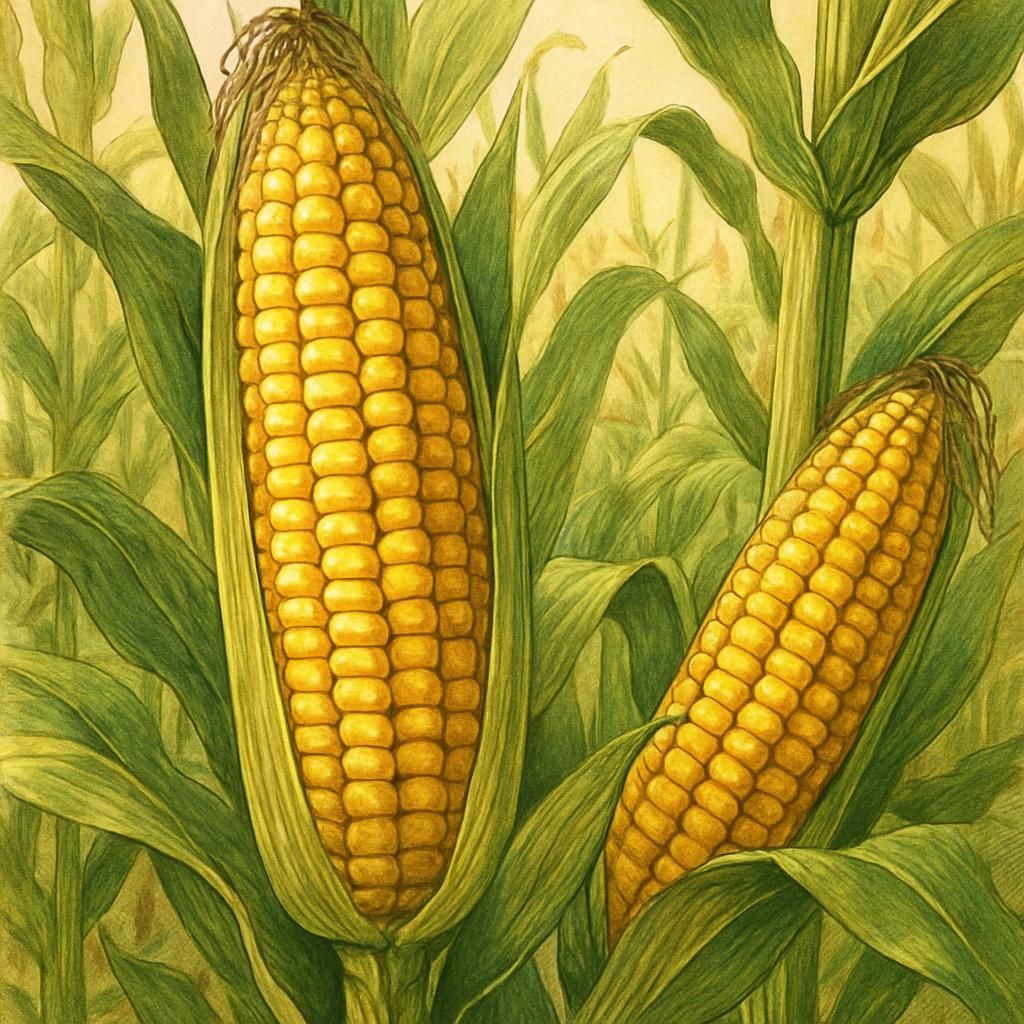
Introduction to Maize (Nal-Tel)
Maize (Nal-Tel), a traditional landrace of corn, is notable for its distinctive chalky texture and historical significance. Primarily cultivated in the Yucatan Peninsula, this maize variety is renowned for its resistance to drought and rapid growth cycle, making it an essential crop for the ancient Mayans. With its short ears and unique kernel composition, Nal-Tel remains an important genetic resource for breeding resilient maize varieties.
Botanical Profile of Maize (Nal-Tel)
Zea mays var. Nal-Tel is distinct due to its smaller plant stature and compact flowering structure. This variety completes its life cycle faster than many modern maize hybrids, typically maturing within 60 to 80 days. It is particularly adaptive to poor soil conditions and minimal water supply, retaining its prominence in regions with challenging climatic conditions. The kernels are predominantly white or yellow, and the plant itself exhibits a robust stalk structure resistant to lodging.
Soil, pH, and Climate Requirements for Maize (Nal-Tel)
Maize (Nal-Tel) thrives in environments similar to those found in its native regions. It is adapted to grow under conditions where other maize varieties may struggle, thanks to its genetic adaptability to variable weather patterns.
| Aspect | Ideal Conditions |
|---|---|
| Soil Type | Well-drained, loamy, poor fertility |
| pH Range | 5.5 to 7.0 |
| Temperature | 21°C to 29°C |
| Rainfall | 400mm to 600mm annually |
Step-by-Step Planting & Propagation
Site Selection: Choose an area with full sunlight exposure and adequate air circulation. Avoid areas prone to waterlogging as Nal-Tel prefers dry growing conditions.
Soil Preparation: Lightly till the soil to improve its aeration. If the soil is overly fertile, reduce nitrogen inputs to avoid excessive vegetative growth at the expense of grain production.
Seed Selection: Obtain quality Nal-Tel seeds, sourced from reliable local seed banks or agricultural stations familiar with traditional strains.
Planting: Sow the seeds directly into the soil at a depth of 1.5 inches. Space seeds 9-12 inches apart within rows and maintain 24-30 inches between rows.
Irrigation: While Nal-Tel does not demand frequent watering, ensure soil moisture during the early stages of growth to promote healthy germination and seedling development.
Care & Maintenance regimes for Maize (Nal-Tel)
Regular care and maintenance help harness the full potential of Maize (Nal-Tel).
| Task | Schedule |
|---|---|
| Watering | Bi-weekly during dry spells, minimal otherwise |
| Fertilizing | Light organic compost once at planting |
| Pruning | Not applicable, monitor for weeds |
Pests, Diseases & Organic Management
Nal-Tel is relatively resistant to common maize diseases but vigilance for Corn Earworm and European Corn Borer is necessary. Implement crop rotation strategies and natural pest deterrents such as neem oil and beneficial insects to minimize pest impact. Disease management should focus on preventive practices like proper spacing and maintaining air circulation to prevent fungal infections such as southern rust.
Harvesting, Curing & Optimal Storage
Harvesting should commence once the husks turn brown and the kernels are hard and glossy. Carefully hand-pick the cobs and dry them under direct sunlight for a few days to reduce moisture content and improve storage longevity. Store harvested maize in a cool, dry place to prevent mold growth and pest infestation.
Companion Planting for Maize (Nal-Tel)
Companion planting can enhance the growth and health of maize. Consider planting with beans and squash, mirroring the traditional "Three Sisters" method effective in promoting symbiotic nutrient exchange and pest control.
For further insights on maintaining soil health, consider reading The Forgotten Art of Fall Soil Revival: 8 Organic Strategies for Small Farm Resilience. Additionally, explore how careful monitoring of weather can impact your planting success in the article The Truth About Weather Patterns and Small Farm Resilience.