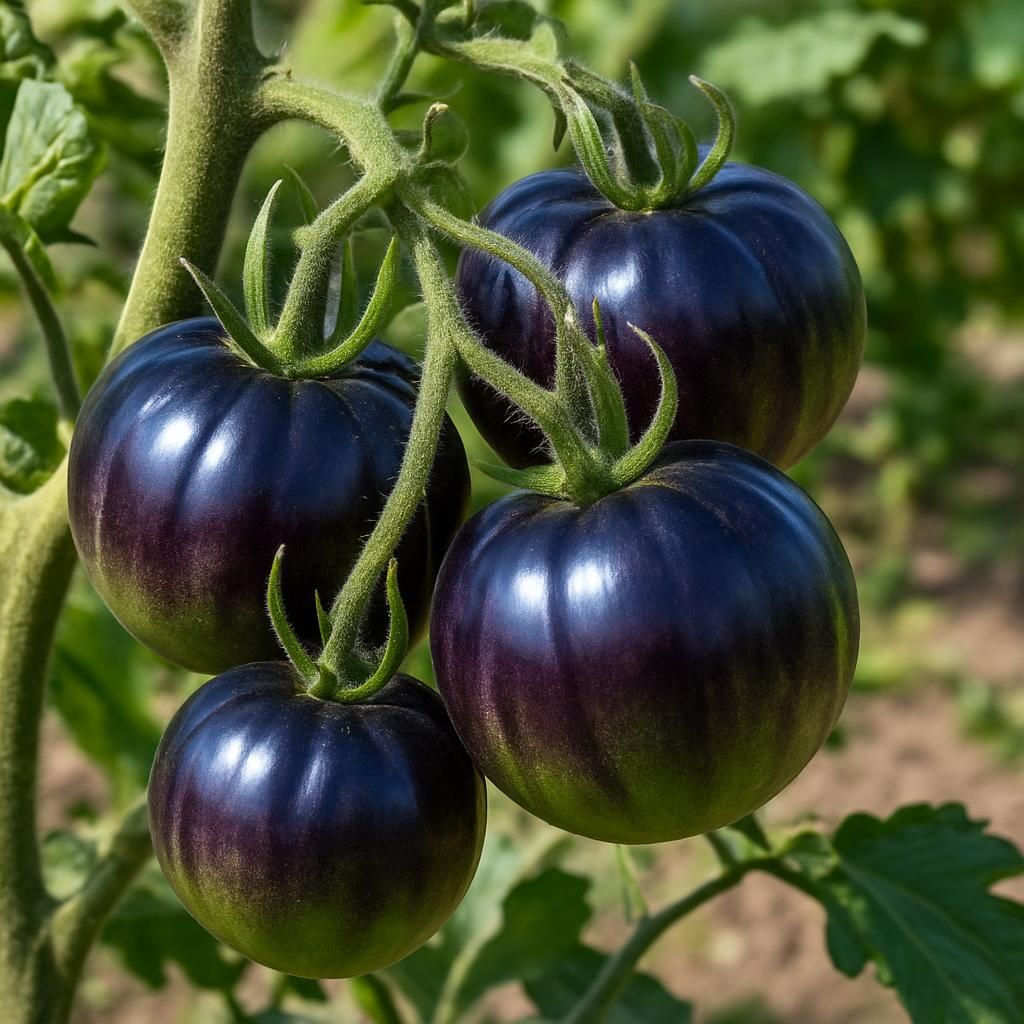
Introduction to Indigo Rose Tomato
Indigo Rose Tomato stands out among modern tomato varieties for its deep purple skin and exceptional antioxidant profile. Bred at Oregon State University, this cherry-type cultivar produces small, round fruits that transition from green to a rich indigo-purple when exposed to sunlight. The anthocyanins responsible for the color also deliver measurable health benefits, including anti-inflammatory properties. Gardeners and small-scale farmers value Indigo Rose Tomato both for its visual appeal and for its reliable yields in temperate climates.
Botanical Profile of Indigo Rose Tomato
Indigo Rose Tomato belongs to the nightshade family, Solanaceae, and exhibits the classic indeterminate growth habit of many cherry tomatoes. Plants reach 4–6 feet in height and produce clusters of 1–1.5 inch fruits with thin skins and juicy, sweet-tart flesh. The foliage is dark green with slightly serrated margins, and stems are sturdy enough to support heavy fruit loads when properly staked. Flowering occurs continuously once plants reach maturity, allowing for extended harvest windows.
Soil, pH, and Climate Requirements for Indigo Rose Tomato
Successful cultivation begins with understanding the precise environmental parameters that favor Indigo Rose Tomato. The following table summarizes ideal conditions:
| Parameter | Ideal Range | Notes |
|---|---|---|
| Soil Type | Loamy, well-drained | Avoid heavy clay; amend with compost |
| Soil pH | 6.2–6.8 | Slightly acidic optimizes nutrient uptake |
| Temperature | 70–85°F (21–29°C) daytime | Protect from frost below 50°F (10°C) |
| Sunlight | 8+ hours full sun | Essential for anthocyanin development |
| Spacing | 18–24 inches between plants | Rows 36–48 inches apart |
| Growing Season | 70–90 days to maturity | Start indoors 6–8 weeks before last frost |
Step-by-Step Planting & Propagation
Begin by starting seeds indoors 6–8 weeks before the expected last frost date. Sow seeds ¼ inch deep in sterile seed-starting mix and maintain soil temperature at 75–80°F. Once seedlings develop two true leaves, transplant into 4-inch pots and provide 14–16 hours of supplemental light daily. Harden off plants for 7–10 days before transplanting outdoors when nighttime temperatures remain above 55°F. Set plants at the same depth as the pot or slightly deeper to encourage root development. Install stakes or cages at planting time to support future growth.
Care & Maintenance regimes for Indigo Rose Tomato
Consistent care ensures vigorous plants and high-quality fruit. The table below outlines recommended water, fertilizer, and pruning schedules:
| Growth Stage | Watering Schedule | Fertilizer Schedule | Pruning Schedule |
|---|---|---|---|
| Seedling (0–4 wks) | Keep evenly moist; water daily | Dilute fish emulsion every 10–14 days | Pinch off first flowers to build roots |
| Vegetative (4–8 wks) | 1–1.5 inches per week | Balanced NPK (10-10-10) every 2 weeks | Remove suckers below first flower cluster |
| Flowering/Fruiting | 1.5–2 inches per week; deep watering | Switch to high-phosphorus formula | Continue weekly sucker removal |
| Late Season | Reduce to 1 inch per week | Stop fertilizing 3 weeks before frost | Remove lower leaves for airflow |
Mulch with 2–3 inches of organic material to retain moisture and suppress weeds. Monitor soil moisture regularly and adjust irrigation based on rainfall.
Pests, Diseases & Organic Management
Indigo Rose Tomato shares common vulnerabilities with other tomato cultivars. Aphids and whiteflies frequently colonize new growth, while spider mites may appear during hot, dry periods. Fungal issues such as early blight and septoria leaf spot can reduce yields if humidity remains high. Implement integrated pest management by introducing beneficial insects, applying neem oil sprays, and practicing crop rotation. Remove and destroy infected foliage promptly to limit disease spread.
Harvesting, Curing & Optimal Storage
Harvest fruits when they reach full purple coloration and yield slightly to gentle pressure. Pick regularly to encourage continued production. For short-term storage, keep tomatoes at room temperature away from direct sunlight. Longer storage is possible by refrigerating ripe fruit for up to one week, though flavor may diminish. To extend the season, harvest mature green fruits before frost and ripen indoors in a paper bag with an ethylene-producing fruit such as a banana.
Companion Planting for Indigo Rose Tomato
Strategic pairings enhance growth and deter pests. Plant Thai Basil nearby to repel whiteflies and improve flavor. Marigold flowers attract beneficial insects while their roots suppress nematodes. Nasturtium serves as a trap crop for aphids. Avoid planting near fennel or walnut trees, which can inhibit tomato growth through allelopathy. For additional guidance on seasonal planning, see The Overlooked Art of Seasonal Harvest Timing for Small Farm Profit.
Indigo Rose Tomato rewards attentive growers with visually striking, nutrient-dense fruit throughout the growing season.