Introduction to Gentian Root
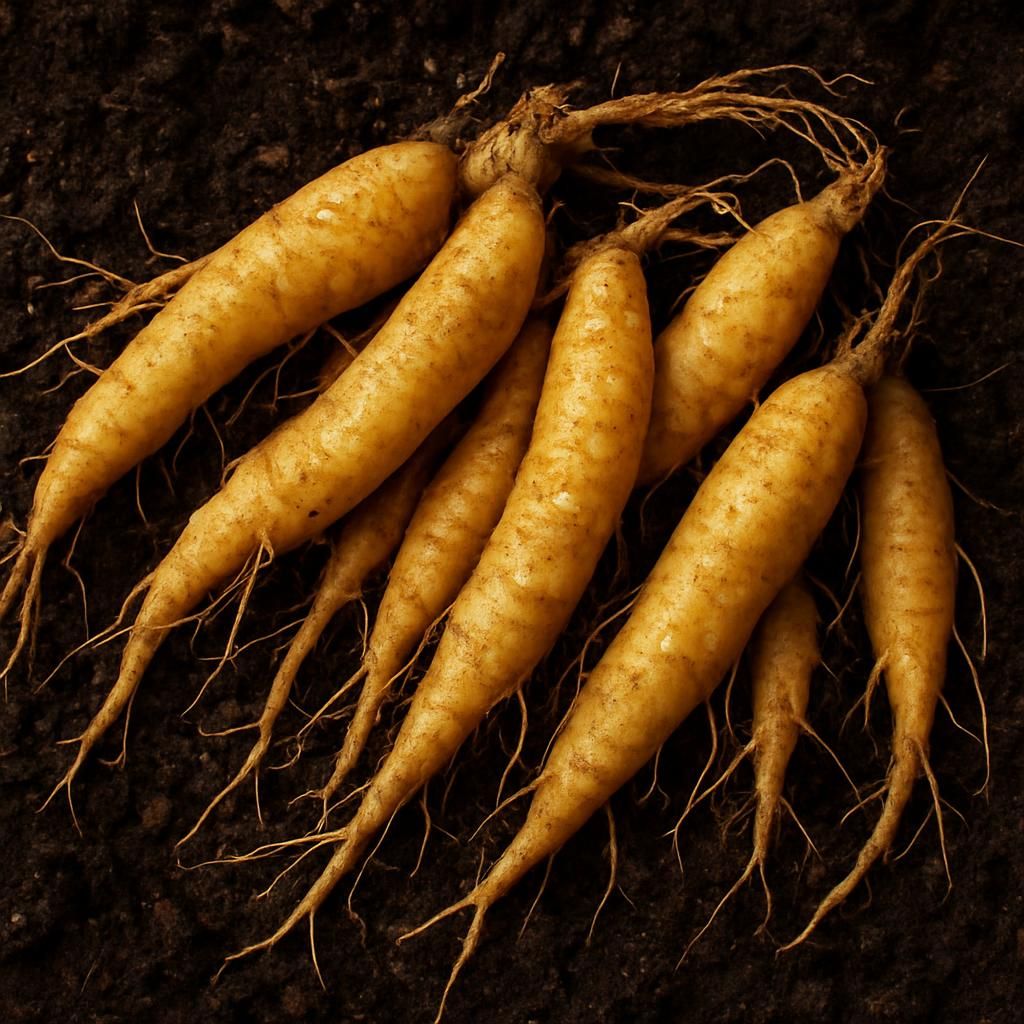
Gentian root, primarily from the species Gentiana lutea, is one of the most valued medicinal herbs in temperate and alpine regions. The thick, yellow taproots contain gentiopicroside and other secoiridoid glycosides that give gentian its signature intense bitterness, supporting its traditional use as a digestive stimulant and tonic. Commercial demand remains steady from European herbal distilleries, natural health markets, and craft beverage producers seeking authentic bittering agents. Successful cultivation requires replicating the cool, moist, high-altitude conditions of its native European mountain meadows while managing slow growth cycles that span 3–5 years before first harvest.
Botanical Profile of Gentian Root
Gentiana lutea belongs to the Gentianaceae family and produces robust basal rosettes of large, ovate, prominently veined leaves. In its second or third season, plants send up stout, unbranched flowering stems reaching 60–120 cm, crowned with dense clusters of bright yellow, star-shaped flowers. The plant develops a deep, fleshy taproot that can weigh 200–800 g at maturity. Although primarily propagated from seed, mature plants occasionally produce offsets. Gentian is a true perennial that can remain productive for 8–12 years under optimal management.
Soil, pH, and Climate Requirements for Gentian Root
Gentian thrives in cool, moist environments with well-drained, humus-rich soils. It tolerates partial shade but performs best in full sun at higher elevations where summer temperatures rarely exceed 22 °C.
| Parameter | Ideal Range | Notes |
|---|---|---|
| Soil Type | Loamy, well-drained | High organic matter; avoid compaction |
| Soil pH | 5.5–6.8 | Slightly acidic to neutral |
| Temperature Range | 10–20 °C daytime | Cool nights essential; avoid >25 °C |
| Annual Rainfall | 800–1500 mm | Consistent moisture; supplemental irrigation in dry periods |
| Elevation | 800–2500 m | Higher elevations improve root quality |
| Light | Full sun to partial shade | Afternoon shade beneficial in warm climates |
Step-by-Step Planting & Propagation
Gentian is almost exclusively grown from seed because division of mature roots is difficult. Fresh seed exhibits morphophysiological dormancy and requires cold stratification. Sow in late autumn or early winter in trays filled with a 1:1 mix of sterilized loam and leaf mold. Maintain 4–8 °C for 8–12 weeks, then move to 15–18 °C for germination, which occurs in 3–6 weeks. Transplant seedlings at the 4–6 leaf stage into 7 cm pots and grow on for one full season before field planting. Set out 2-year-old plants in early spring at 40–50 cm spacing in rows 60 cm apart. Prepare planting holes with generous compost and ensure crowns sit at soil level. Mulch immediately with 5 cm of pine needles or leaf litter to conserve moisture and suppress weeds.
Care & Maintenance regimes for Gentian Root
Gentian requires steady moisture and moderate fertility. Over-fertilization reduces root bitterness and increases disease susceptibility. Weed control during the first two seasons is critical; thereafter, the dense canopy suppresses most competitors.
| Aspect | Schedule | Details |
|---|---|---|
| Water | Weekly deep watering; 25–40 mm per week | Maintain even moisture; reduce in autumn to harden plants |
| Fertilizer | Early spring and midsummer | Apply 20–30 g/m² balanced organic fertilizer (NPK 5-5-5) or well-rotted manure |
| Pruning | Remove spent flower stems in late autumn | Cut back to 5 cm above ground after first frost to reduce disease carryover |
Pests, Diseases & Organic Management
Gentian is relatively pest-resistant but can suffer from Aphids and Slugs during wet springs. Fungal issues such as Botrytis and root rots become problematic in poorly drained soils. Practice strict crop rotation and avoid planting in areas with previous solanaceous crops. Drench young plants with neem oil or insecticidal soap for aphids. Use iron-phosphate slug baits and copper tape barriers. Improve drainage and apply compost tea drenches to suppress soil-borne pathogens. Remove and destroy infected foliage promptly.
Harvesting, Curing & Optimal Storage
Harvest roots in the fourth or fifth autumn after planting when they reach 2–3 cm diameter. Lift plants carefully with a garden fork to avoid damaging the brittle taproot. Wash roots immediately in cold running water, then slice lengthwise into 5–8 mm thick pieces. Dry in a forced-air dehydrator at 35–40 °C until brittle (moisture <10 %). Store dried root in airtight glass or food-grade plastic containers away from light and moisture. Properly cured gentian retains potency for 3–4 years.
Companion Planting for Gentian Root
Gentian benefits from association with nitrogen-fixing and aromatic herbs. Clover and Thyme improve soil structure and deter pests. Yarrow attracts beneficial insects while its deep roots help break compacted subsoil. Avoid planting near Tomato or Potato because of shared disease risks. Interplanting with Nasturtium provides additional aphid control through trap-cropping.
Gentian cultivation rewards patience and precise environmental control. With proper site selection, organic fertility management, and vigilant pest monitoring, growers can produce premium-quality roots that command strong prices in medicinal and culinary markets.