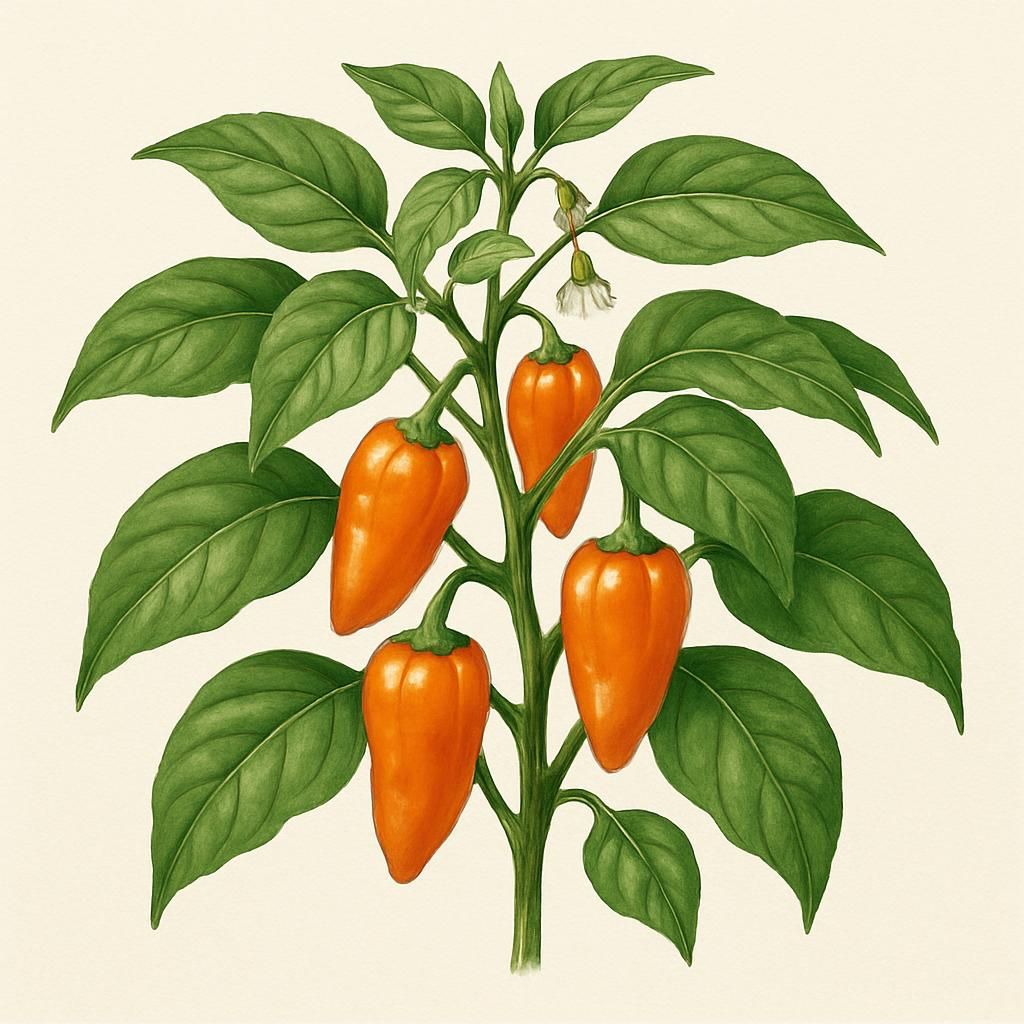
Introduction to Datil Pepper
The Datil Pepper is a renowned chili pepper species believed to have been brought to St. Augustine, Florida, by Minorcan immigrants centuries ago. Celebrated for its striking orange color and spicy-sweet flavor profile, the Datil Pepper has gained popularity for its culinary versatility and is often used in hot sauces and marinades. This guide provides an in-depth look at the cultivation of Datil Peppers, emphasizing practical and professional-grade agricultural advice.
Botanical Profile of Datil Pepper
The Datil Pepper (Capsicum chinense) belongs to the nightshade family, Solanaceae. It bears close resemblance to the Habanero Pepper, but with distinct flavor nuances that set it apart. The plants reach a height of approximately two to three feet, producing 3-4 inches long peppers that mature from green to a vibrant orange. Known for Scoville Heat Units ranging between 100,000 - 300,000, the Datil Pepper provides a capable punch in both heat and flavor.
Soil, pH, and Climate Requirements for Datil Pepper
Datil Peppers thrive in specific environmental conditions to yield optimal growth. Below is a Markdown table highlighting the ideal soil, pH, and climate conditions:
| Condition | Ideal Range |
|---|---|
| Soil Type | Well-drained sandy or loamy soil |
| Soil pH | 6.0 - 6.8 |
| Temperature | 75°F - 95°F (24°C - 35°C) |
| Sunlight | Full sunlight, 6-8 hours per day |
| Humidity | Moderate |
Step-by-Step Planting & Propagation
1. Seed Selection: Choose high-quality seeds from reliable suppliers, keeping in mind that seeds from green peppers often have lower germination rates.
2. Timing: Begin seed cultivation indoors approximately 8-10 weeks before the last frost date.
3. Soil Preparation: Utilize nutrient-rich potting mix to start seeds. Maintain soil moisture but avoid waterlogging.
4. Transplanting: Once seedlings have two pairs of true leaves, harden them off before transplanting them into well-prepared garden beds or large containers. Space plants about 18-24 inches apart.
5. Maintenance: Regularly monitor for pests and diseases; manage weeds to prevent competition for resources.
Care & Maintenance Regimes for Datil Pepper
Effective care and maintenance schedules are crucial for nurturing healthy Datil Pepper plants. Refer to the following table for guidance on water, fertilizer, and pruning:
| Care Aspect | Details | Schedule |
|---|---|---|
| Watering | Deep watering to promote root growth; allow soil to dry slightly between watering | Every 5-7 days, depending on weather |
| Fertilization | Balanced fertilizer (10-10-10 NPK) | Every 4-6 weeks during growing season |
| Pruning | Prune lower branches to improve air circulation | Early spring |
Pests, Diseases & Organic Management
Datil Peppers, like most chili peppers, are susceptible to various pests and diseases. Common threats include Spider Mites, Aphids, and Spider Mites. Organic management strategies such as neem oil, insecticidal soap, and beneficial insects can be employed. For diseases like Powdery Mildew and Anthracnose, copper fungicides and proper sanitation practices are effective.
Harvesting, Curing & Optimal Storage
Peppers should be harvested when fully matured, generally when they've reached their characteristic orange hue and are firm to the touch. Post-harvest, you can cure the peppers by allowing them to dry in a cool, dry place for a week to enhance their flavor. For optimal storage, refrigerate or freeze them shortly after curing to preserve their freshness and heat.
Companion Planting for Datil Pepper
Companion planting can help deter pests and improve growth. Suitable companions include Tomatoes, basil, marjoram, and Carrots. Avoid planting Datil Peppers near beans or fennel, as they can inhibit growth. For additional strategies, explore our blog post on Summer Companion Planting: 10 Organic Pairings to Boost Small Farm Resilience.