Introduction to Charichuelo (Garcinia intermedia)
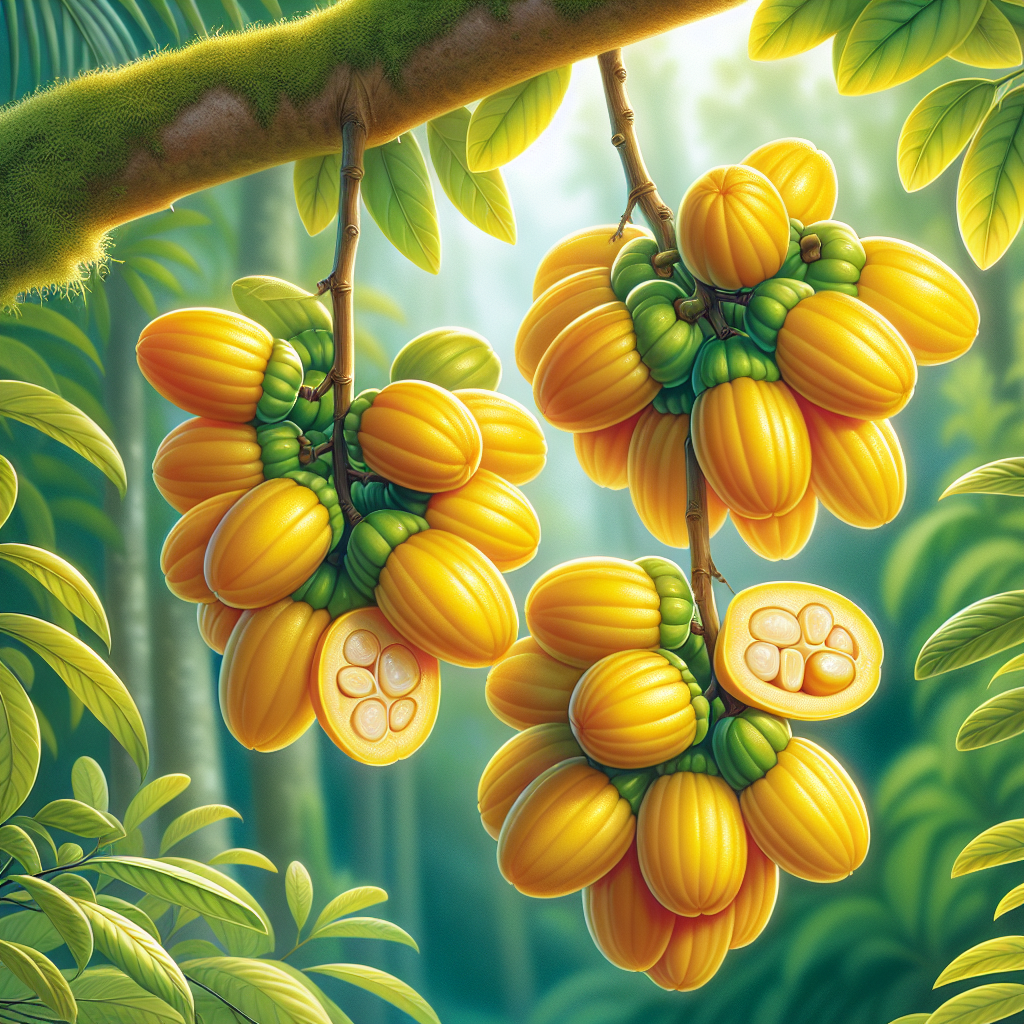
Charichuelo (Garcinia intermedia), also known as lemonia or mountain mangosteen, is an underappreciated tropical fruit tree that bridges the gap between ornamental beauty and productive agriculture. Native to the rainforests of Central America, particularly Costa Rica, Panama, and Nicaragua, this evergreen species thrives in humid, frost-free environments. The tree produces clusters of small, round fruits with bright yellow skin and juicy, segmented flesh that tastes like a blend of lemon, mango, and peach—sweet yet tangy, making it perfect for fresh eating, juices, desserts, and preserves.
Farmers and gardeners value charichuelo for its low maintenance once established, high vitamin C content (up to 80mg per 100g), and resilience to many common tropical pests. Mature trees can reach 10-15 meters but are easily pruned to 4-6 meters for backyard cultivation. Yields begin in 3-5 years from seed or graft, peaking at 50-100kg per tree annually. This guide provides professional-grade advice for optimal cultivation, drawing from agroforestry practices in its native range. Whether you're diversifying a small farm or enhancing a home orchard, charichuelo offers reliable returns in suitable climates.
Botanical Profile of Charichuelo (Garcinia intermedia)
Garcinia intermedia belongs to the Clusiaceae family, closely related to the exotic mangosteen (Garcinia mangostana) but far more adaptable to cultivation. It's a dioecious evergreen tree (separate male and female plants), growing 10-20m tall in the wild with a straight trunk up to 50cm in diameter. Leaves are opposite, glossy, dark green, lanceolate, 10-20cm long, and leathery, providing year-round shade.
Flowers are small (1-2cm), white to pale yellow, borne in axillary clusters. Female flowers develop into fruits: subglobose, 3-5cm diameter, with tough yellow rind containing latex. Inside, 4-8 large segments of translucent, acidic-sweet pulp surround 1-4 large seeds. Fruits ripen 3-4 months after flowering, mainly during the rainy season (May-October in native habitats). The tree's shallow, spreading roots make it suitable for agroforestry intercropping with shade-tolerant crops like coffee or bananas.
Wood is dense and yellowish, used locally for tool handles, but the primary value is fruit. Nutritionally, charichuelo boasts high pectin for jams, antioxidants like xanthones, and medicinal uses for digestion and inflammation in traditional remedies. Pollinators include bees and flies; hand-pollination boosts yields in low-bee areas. For more on tropical fruit trees, see Avocado (crop).
Soil, pH, and Climate Requirements for Charichuelo (Garcinia intermedia)
Charichuelo demands well-drained, fertile soils rich in organic matter—loamy or sandy loams with 5-15% slope ideal to prevent waterlogging. Avoid heavy clays prone to root rot. Optimal pH is 5.5-6.5, slightly acidic; test and amend with dolomite lime if below 5.0 or sulfur if above 7.0. Incorporate 10-20kg compost per planting hole for micronutrients like zinc and boron, crucial for fruit set.
Climate-wise, USDA zones 10b-12 (minimum 5°C tolerance) suit best, with average temperatures 22-30°C. It excels in humid tropics/subtropics: 2000-4000mm annual rainfall, well-distributed, or irrigation supplemented. Full sun (6-8 hours) for fruiting, but young plants tolerate 30-50% shade. High humidity (70-90%) prevents leaf drop; drought stresses fruit quality. Wind protection is essential—plant as windbreaks or hedges. In marginal areas, use Why Summer Heatwaves Are Silently Killing Small Farm Yields - And 7 Organic Strategies to Fight Back for heat mitigation. Elevations up to 1200m work, mimicking native montane forests.
Soil preparation: Till to 50cm depth, add 5kg manure + 200g rock phosphate per m². Mulch with 10cm organic matter to retain moisture and suppress weeds. Monitor EC <2.0 dS/m to avoid salinity.
Step-by-Step Planting & Propagation
Propagation: Seeds are easiest but variable; viability drops after 2 weeks—sow fresh in 50% sand:50% compost, 25°C germination in 20-40 days. For uniformity, graft (veneer or cleft) onto seedling rootstock in rainy season, 80-90% success. Air-layering branches yields fruit in 2 years.
Site Selection: 6-8m spacing (5x5m hedgerow). Dig 60x60x60cm holes, fill with topsoil + 20% compost + 100g superphosphate.
Planting: Rainy season start. For seeds/grafts 30-50cm tall, plant at soil line, firm gently. Stake if windy. Water deeply post-planting.
Initial Care: Shade cloth 50% for 3 months. Irrigate weekly (20L/tree) first year. Fertilize monthly: NPK 10-20-20 at 50g/tree, increasing yearly.
Expect 1-2m growth year 1. Prune at 1m height to central leader. Read Soil Health Mastery: 5 Proven Strategies for Small Farms to Build Fertile Ground Without Breaking the Bank for foundational prep.
Care & Maintenance regimes for Charichuelo (Garcinia intermedia)
Watering: Deep, infrequent—50-100L/week mature trees, less in rain. Drip irrigation optimal; deficit stress reduces fruit size.
Fertilization: Annual: 1-2kg complete fertilizer (12-6-18) split 3x/year. Foliar micronutrients (Fe, Zn, Mn) quarterly. Mature: +Mg/K for rind color.
Pruning: Annual post-harvest: remove dead/crossing branches, open canopy for light penetration. Dwarf to 4m via heading cuts.
Weed/Mulch: 10cm mulch ring; slash weeds mechanically.
Pollination: Plant 1 male:10 females; bees suffice.
Pests early: monitor mealybugs. Yields rise with consistent regimes—50kg/tree by year 5.
Pests, Diseases & Organic Management
Pests: Scale insects suck sap—neem oil 2% weekly. Aphids—ladybugs, insecticidal soap. Fruit flies—bagging clusters. Borers—remove infested branches.
Diseases: Phytophthora root rot—drainage + biofungicides (Trichoderma). Anthracnose—copper sprays pre-rainy. Leaf spots—improve air flow.
Organic IPM: Companion with marigolds; beneficials like predatory mites. See Why 90% of Small Farms Fail at Pest Management - And 8 Organic Fixes That Actually Work. Scout weekly; thresholds low for exports.
Harvesting, Curing & Optimal Storage
Harvest when rind fully yellow, 140-160 days post-bloom. Twist or clip clusters; yield 20-50 fruits/cluster. Handle gently—rinds bruise easily.
No curing needed; ripen at 25°C. Store fresh: 10-15°C, 85% RH, 3-4 weeks. Process: juice (yield 60%), freeze pulp, or dry rind for tea.
Market ripe; postharvest dips in calcium extend shelf life.
Companion Planting for Charichuelo (Garcinia intermedia)
Intercrop young trees with legumes (pigeon pea) for N-fixation, shade-lovers like ginger. Understory: turmeric, coffee. Avoid water-hogging corn. Benefits: pest repulsion (marigolds), soil cover (clover). Mature: minimal understory. Enhances biodiversity, yields. Details in Why Companion Planting Feels Like Guesswork for Small Farms - And How AI Makes It Foolproof.