Introduction to Cardoon (Porto Spineless)
Cardoon (Porto Spineless) is a fascinating perennial crop belonging to the Asteraceae family. Known for its architectural beauty and culinary appeal, it resembles an artichoke but is grown primarily for its edible stalks rather than its flower buds. This Mediterranean native thrives in temperate climates and is ideal for the dedicated gardener aiming for both functionality and form in the garden.
Botanical Profile of Cardoon (Porto Spineless)
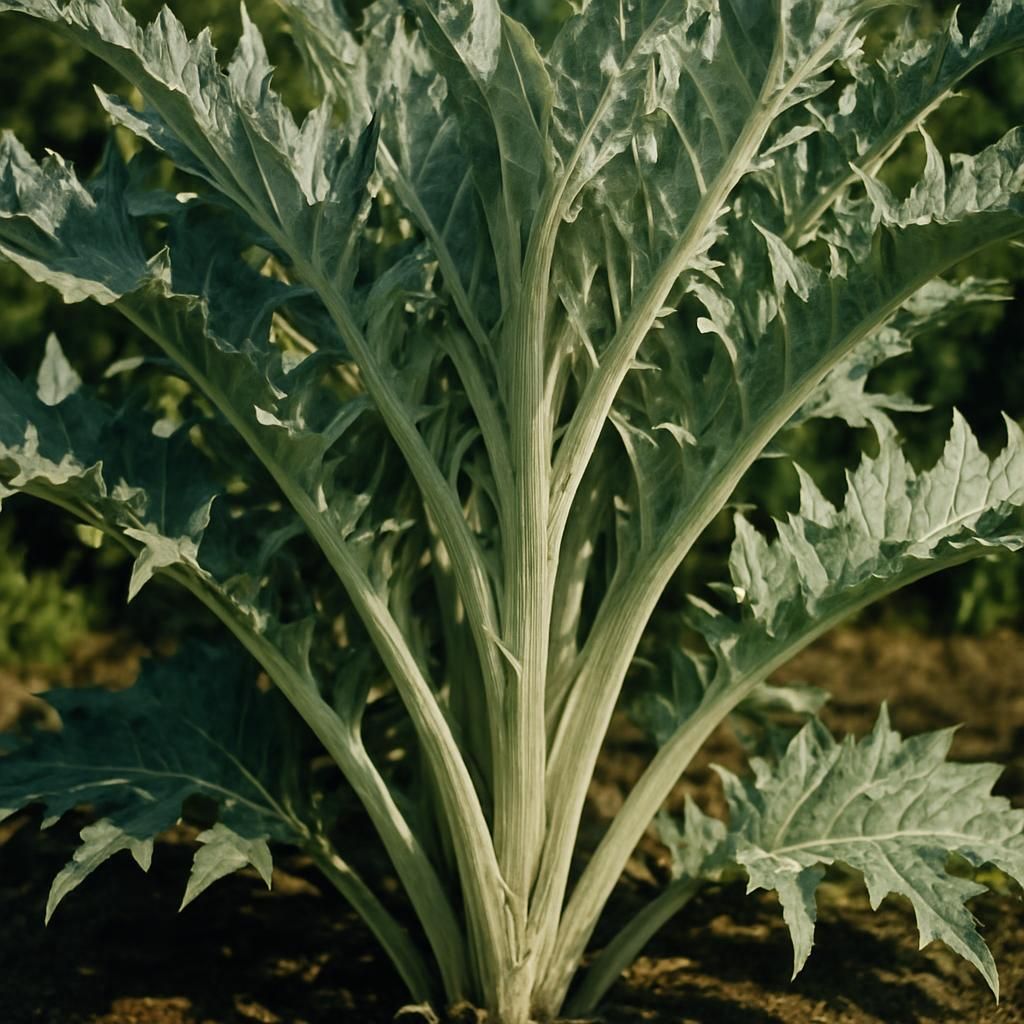
The botanical name for Cardoon (Porto Spineless) is Cynara cardunculus var. altilis. It is a perennial plant that can grow up to 5 feet tall. Characterized by its tall, thistle-like stature, Cardoon features deeply lobed, silvery-grey leaves and robust, fleshy stalks. Its flowers are similar to artichokes, though typically not harvested for eating.
Soil, pH, and Climate Requirements for Cardoon (Porto Spineless)
Cardoon demands specific soil and climate conditions for optimal growth. A well-drained, fertile soil rich in organic matter is essential. The plant also thrives under full sun, reinforcing its Mediterranean origins.
| Condition | Ideal Parameters |
|---|---|
| Soil Type | Well-drained, loamy soil |
| Soil pH | 6.0 to 7.0 |
| Temperature | 50°F to 75°F (10°C to 24°C) |
| Sunlight | Full sun |
Step-by-Step Planting & Propagation
- Seed Selection: Use high-quality Cardoon (Porto Spineless) seeds to ensure robustness.
- Planting Time: Start seeds indoors 6-8 weeks before the last frost date in spring.
- Transplanting: Transfer seedlings outdoors once they have at least three true leaves and frost risk has passed.
- Spacing: Space plants about 3-4 feet apart to allow for their large size.
- Propagation: While seeds are the primary method, root division in mature plants is also effective.
Care & Maintenance regimes for Cardoon (Porto Spineless)
The care of Cardoon involves regular attention to watering, fertilization, and maintenance to ensure healthy growth.
| Aspect | Schedule/Guidelines |
|---|---|
| Watering | Moderate, increase in dry spells |
| Fertilizer | Once at planting; monthly thereafter |
| Pruning | Remove dead leaves regularly |
Pests, Diseases & Organic Management
Cardoon (Porto Spineless) is susceptible to various pests such as spider mites and diseases like powdery mildew. Organic management includes regular monitoring, introducing beneficial insects, and applying neem oil or insecticidal soap as necessary.
Harvesting, Curing & Optimal Storage
Harvest Cardoon stalks ideally before the flowering period for best flavor, usually in late summer. After harvesting, stalks can be blanched or parboiled and stored in the refrigerator wrapped in a damp cloth to increase shelf life.
Companion Planting for Cardoon (Porto Spineless)
Cardoon grows well alongside crops that benefit from its shade or deter pests. Traditional companions include Artichoke and Cabbage. Pairing with herbs like Thyme can also be advantageous.
For those interested in the art of companion planting, don't miss our related blog on Summer Companion Planting: 10 Organic Pairings to Boost Small Farm Resilience.
Successful integration of Cardoon in your garden promises both aesthetic appeal and culinary satisfaction. For further growth insights, explore the article on The Truth About Weather Patterns and Small Farm Resilience.