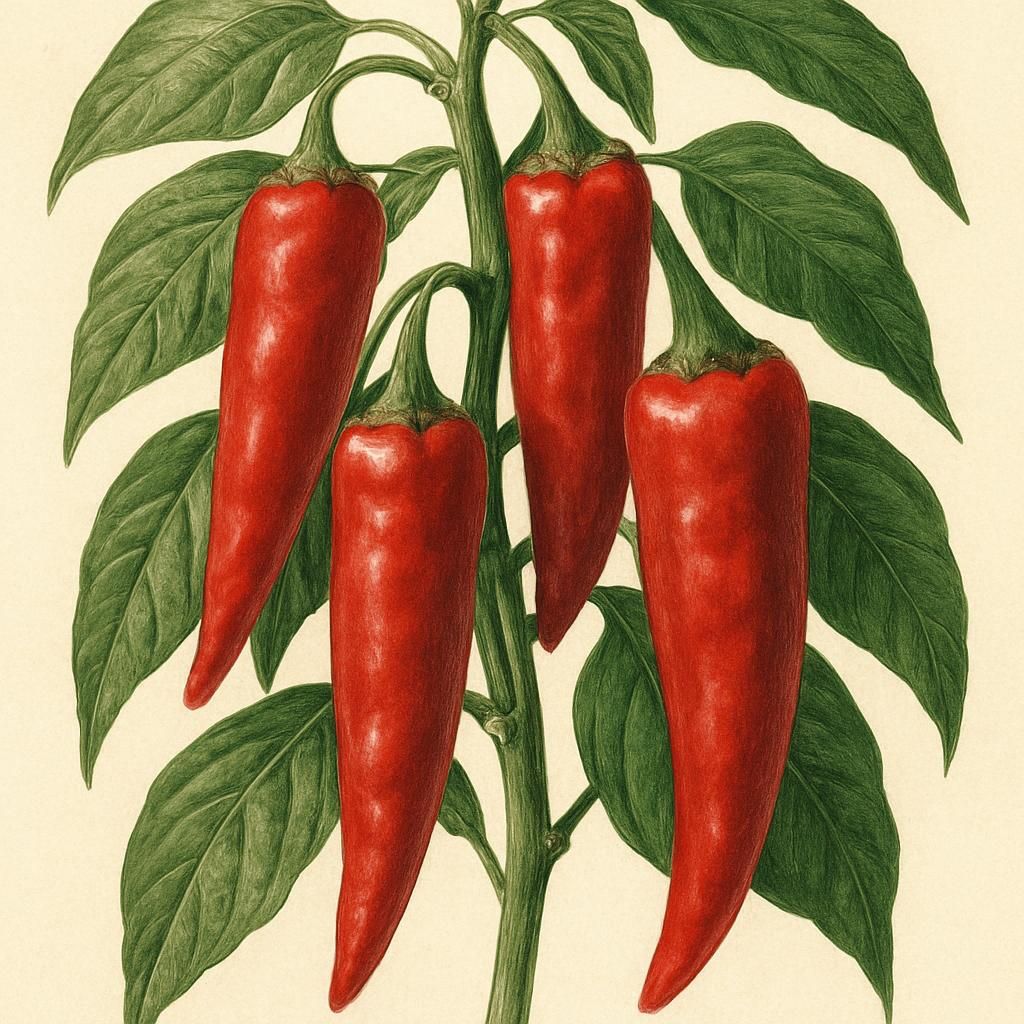
Introduction to Big Jim Chili
The Big Jim Chili is an iconic variety of chili pepper that belongs to the Capsicum annuum species. Known for its impressive size and flavorful heat, Big Jim Chili peppers are popular among gardeners and chefs alike. They are often used in regional dishes, offering a perfect blend of sweet and spicy. Whether you are looking to add a bold flavor to your salsas or grill them for a smoky taste, these chilies provide a versatile spice kick.
Botanical Profile of Big Jim Chili
The Big Jim Chili can grow up to 7 inches in length and 1.5 inches in diameter, making it one of the largest chili varieties cultivated. This perennial plant in its native subtropical habitat is grown as an annual in temperate regions. The leaves are bright green, and the flowers are small and white, which eventually develop into the iconic large, elongated fruits. Big Jim Chili plants typically reach heights of 24 to 36 inches, thriving in warm climates.
Soil, pH, and Climate Requirements for Big Jim Chili
For optimal growth, Big Jim Chili requires specific soil and climate conditions to perform best. Here is a detailed look at the ideal growing conditions:
| Factor | Ideal Conditions |
|---|---|
| Soil Type | Well-drained, sandy loam |
| Soil pH | 6.0 - 7.0 |
| Temperature | 65°F to 85°F (18°C to 29°C) |
| Humidity | Moderate, around 50-60% |
| Sun Exposure | Full sun, 6-8 hours daily |
Step-by-Step Planting & Propagation
Seed Starting: Begin by sowing Big Jim Chili seeds indoors about 6-8 weeks before the last expected frost. Seed trays filled with a seed-starting mix should be used to ensure good drainage.
Transplanting: Once seedlings develop 2-3 true leaves, they are ready to be transplanted outdoors. Harden off the seedlings by gradually exposing them to outdoor conditions over a week.
Site Preparation: Prepare the planting site by tilling the soil and incorporating organic matter to improve fertility. Ensure that the soil is well-drained and the pH is between 6.0 and 7.0.
Planting: Transplant the seedlings 18-24 inches apart in rows spaced 24-36 inches apart to provide ample space for growth and air circulation.
Care & Maintenance Regimes for Big Jim Chili
Proper care is essential to achieve a bountiful harvest of Big Jim Chili. Below is a maintenance timetable to help growers plan an effective care regime:
| Activity | Schedule |
|---|---|
| Watering | 1 inch/week, more in hot weather |
| Fertilization | Bi-weekly during growth |
| Pruning | Pinch early blooms to encourage growth |
Watering: Big Jim Chili needs consistent moisture. Water deeply but less frequently to encourage deep root growth and avoid waterlogging.
Fertilization: Use a balanced organic fertilizer every two weeks. Too much nitrogen can promote leaf over fruit growth, so balance is key.
Pruning: Regularly remove any crowded foliage to improve airflow and reduce disease risk.
Pests, Diseases & Organic Management
Big Jim Chili plants may be susceptible to common pests such as Spider Mites and aphids, and diseases like powdery mildew. Implementing integrated pest management practices can reduce these threats:
Preventive Measures: Rotate crops, maintain soil health, and practice good sanitation by removing debris and fallen leaves.
Pest Control: Use neem oil or insecticidal soap to manage common pests. Encourage beneficial insects such as ladybugs to control aphid populations.
Disease Management: Ensure proper spacing for airflow, avoid overhead watering, and apply copper-based fungicides if necessary to control mildew.
Harvesting, Curing & Optimal Storage
Big Jim Chili peppers are ready for harvesting approximately 75-90 days after sowing when they reach their full size and vibrant color. Here’s how to harvest and store them:
Harvesting: Use clean pruning shears to cut peppers from the plant. Avoid pulling as it may damage the plant.
Curing: If drying is desired, wash and dry the peppers before leaving them in a warm, dry, and well-ventilated space for a few weeks.
Storage: Fresh peppers can be stored in the refrigerator for up to 2 weeks. Dried peppers should be stored in airtight containers in a cool, dark place.
Companion Planting for Big Jim Chili
Engaging in companion planting can improve the growth and health of Big Jim Chili plants:
Beneficial Companions: Planting Tomato, Garlic, and Basil alongside can deter pests and enhance flavor.
Avoid Planting With: Avoid planting chili peppers near crops like Cabbage and Fennel as they can compete for nutrients and space.
You can explore more about companion planting strategies in the blog post Summer Companion Planting: 10 Organic Pairings to Boost Small Farm Resilience for successful crop integration.