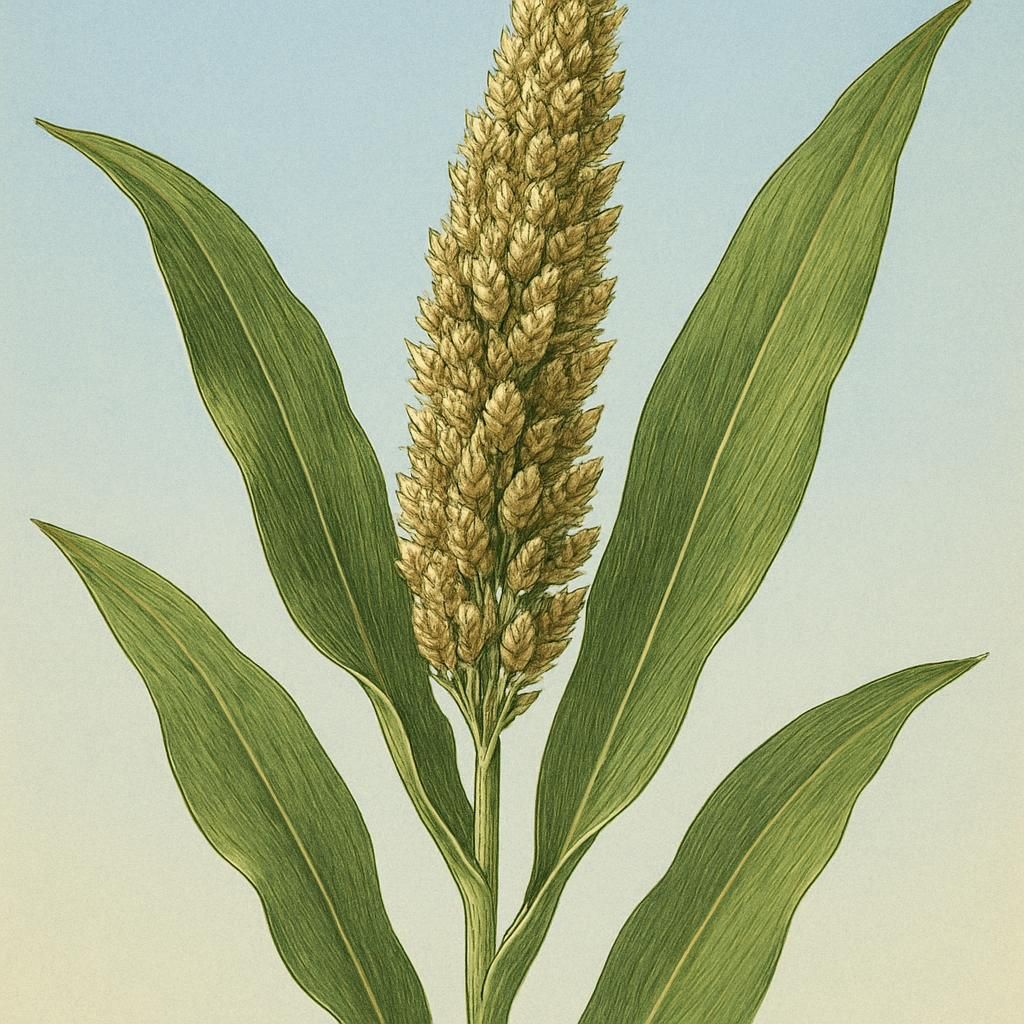
Introduction to Barnyard Millet (Sanwa)
Barnyard Millet, often referred to as Sanwa in India, is a versatile and highly nutritious cereal grain. This ancient grain has been cultivated for centuries, primarily in Southeast Asia and Africa. It is lauded for its rapid growth rate and ability to thrive in poor soil conditions. Beyond its agricultural benefits, Barnyard Millet contributes significantly to the diet as it is rich in calcium, phosphorus, and dietary fiber, making it a suitable choice for health-conscious consumers.
Botanical Profile of Barnyard Millet (Sanwa)
Cotageneric with Proso Millet, Barnyard Millet belongs to the Poaceae family and is scientifically classified as Echinochloa frumentacea. This millet type possesses a C4 photosynthetic pathway, enabling it to endure high temperatures and low rainfall regions. It grows up to 50-100 cm tall and displays broad leaves with a long spike-like panicle.
Soil, pH, and Climate Requirements for Barnyard Millet (Sanwa)
The crop shows remarkable adaptability to various soil types, though it performs best in well-drained sandy or loamy soils. It prefers a warm climate and can flourish with minimal rainfall.
| Parameter | Ideal Value |
|---|---|
| Soil Type | Well-drained sandy/loamy |
| Soil pH | 5.5 to 6.5 |
| Temperature | 26°C to 30°C |
| Rainfall | 500 mm to 800 mm annually |
Step-by-Step Planting & Propagation
- Site Selection: Choose a location with full sunlight and well-drained soil.
- Soil Preparation: Till the soil to a fine tilth and remove any weeds or debris. Amend the soil with compost to enhance its fertility.
- Sowing: Sow seeds directly at a depth of 2-3 cm using a seed drill or broadcasting method during the onset of monsoon.
- Spacing: Maintain a row-to-row spacing of 25-30 cm and a plant-to-plant spacing of 10 cm.
- Irrigation: Ensure timely irrigation; Barnyard Millet needs less water compared to other cereals and relies heavily on rainwater.
- Weed Management: Employ manual weeding or organic herbicides to control weed growth.
Care & Maintenance Regimes for Barnyard Millet (Sanwa)
Barnyard Millet requires minimal maintenance, making it suitable for low-effort farming.
| Aspect | Schedule/Details |
|---|---|
| Watering | Moderate, primarily rain-fed |
| Fertilization | Use organic fertilizers at sowing time |
| Pruning | Not typically required |
Pests, Diseases & Organic Management
Although Barnyard Millet is relatively pest-resistant, some threats like cutworms and stem borers can occur. Implementing biological control using natural predators or neem-based products can help manage these pests effectively. Common diseases include Smut and leaf blight, which can be managed by rotating crops and using certified disease-free seeds.
Harvesting, Curing & Optimal Storage
- Harvesting: Typically, the crop matures in about 75-90 days. Harvest when the grains start hardening, using sickles or mechanized harvesters.
- Curing: Dry the harvested grains under shade to preserve quality.
- Storage: Store the grains in a cool, dry location in airtight containers to prevent infestations and moisture absorption.
Companion Planting for Barnyard Millet (Sanwa)
Barnyard Millet pairs well with legumes such as Chickpeas and Soybeans, which enhance soil nitrogen levels, thereby benefiting subsequent crops. Additionally, coupling with crops like Sunflower can offer structural support and shade, optimizing space and resource utilization in small farm setups. For more on optimizing your yield through strategic planting, explore Summer Companion Planting: 10 Organic Pairings to Boost Small Farm Resilience.