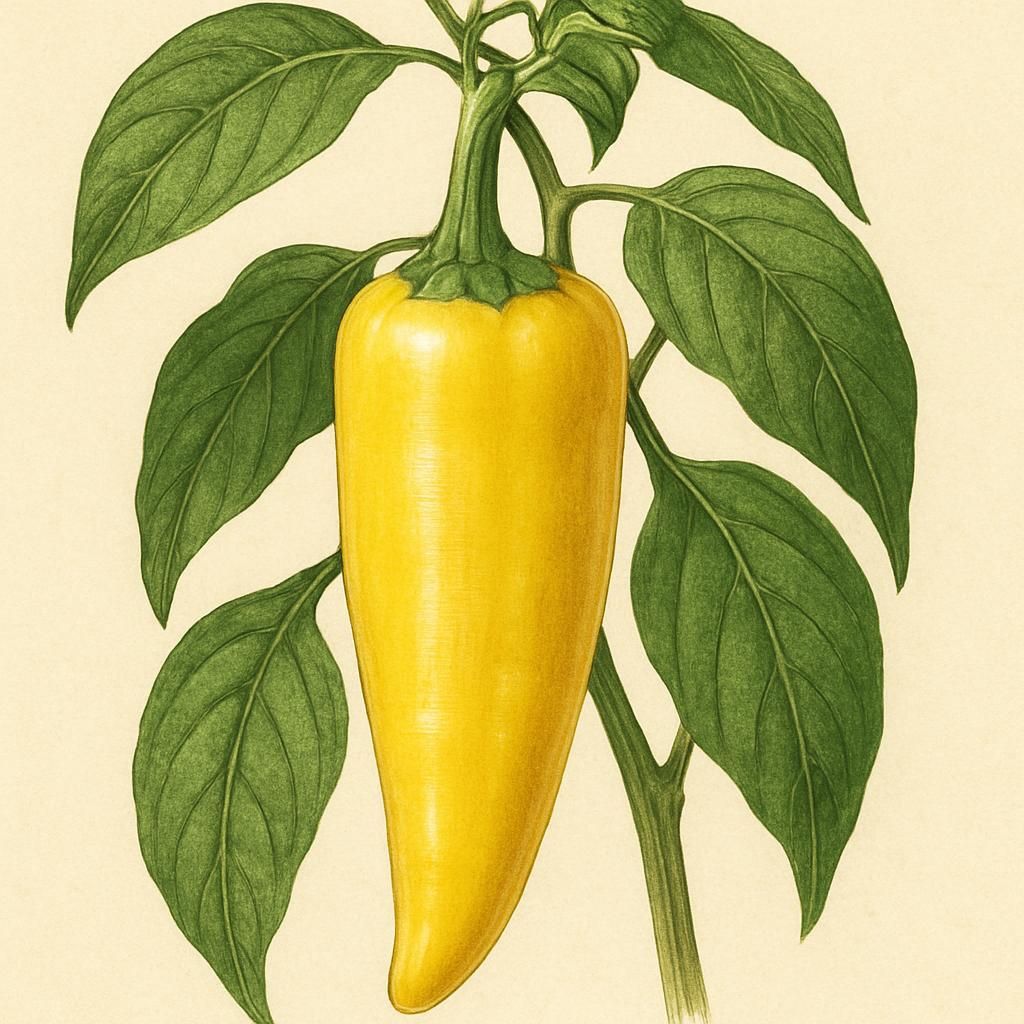
Introduction to Banana Pepper (Sweet)
Banana Peppers (Sweet) are widely appreciated for their mild flavor and versatility in the kitchen. They are often used in salads, pizzas, and pickling because of their distinct, slightly tangy taste that complements a variety of dishes. These peppers get their name from their shape and color, resembling ripe bananas.
Growing Banana Peppers (Sweet) can be a rewarding endeavor for both professional farmers and home gardeners. With the right care and environmental conditions, these peppers can yield a good harvest, providing a continuous supply throughout the growing season.
Botanical Profile of Banana Pepper (Sweet)
Banana Pepper (Sweet) belongs to the species Capsicum annuum, which includes other popular peppers such as the Bell Pepper and the Jalapeño Pepper. They are typically characterized by their elongated shape, smooth skin, and bright yellow color when fully ripe. With a mild Scoville Heat Unit (SHU) rating of 0 to 500, these peppers are perfect for those who prefer less spicy flavors.
Soil, pH, and Climate Requirements for Banana Pepper (Sweet)
Growing Banana Peppers successfully depends on meeting specific soil, pH, and climate conditions. Proper preparation and understanding of these factors will ensure healthy plant growth and optimal pepper production.
| Parameter | Ideal Conditions |
|---|---|
| Soil Type | Well-drained, loamy |
| Soil pH | 6.0-6.8 |
| Temperature Range | 70-85°F (21-29°C) |
| Sunlight Exposure | Full sun (6-8 hours/day) |
Step-by-Step Planting & Propagation
Selecting Seeds: Choose high-quality Banana Pepper seeds from reputable suppliers. Ensure the variety is suited to your climate and growing conditions.
Starting Indoors: Begin seeds indoors 8 to 10 weeks before the last frost date. Plant seeds 1/4 inch deep in seed-starting mix.
Providing Optimal Conditions: Maintain a temperature between 70-80°F (21-27°C) and ensure consistent moisture without waterlogging.
Transplanting: Once dangers of frost have passed and seedlings have developed 2-3 true leaves, transplant outdoors.
Planting Outdoors: Space plants 18-24 inches apart in rows 24-36 inches apart. Ensure soil is rich in organic matter and well-drained.
Care & Maintenance Regimes for Banana Pepper (Sweet)
Providing consistent care throughout the growing season is crucial for a healthy yield.
| Task | Frequency | Description |
|---|---|---|
| Watering | 1-2 inches/week | Keep the soil slightly moist but not waterlogged. |
| Fertilizing | Every 3-4 weeks | Use a balanced fertilizer with a 5-10-10 ratio. |
| Pruning | As needed | Remove yellowing leaves and crowded branches. |
Pests, Diseases & Organic Management
Banana Peppers may face challenges from pests and diseases that need proactive management.
Common Pests: Aphids, Spider Mites, and cutworms can be managed through regular inspection and organic solutions like neem oil or insecticidal soap.
Diseases: Pay attention to signs of Blossom End Rot and Powdery Mildew. Maintain good airflow and moisture levels to prevent disease.
Harvesting, Curing & Optimal Storage
Harvesting: Pick Banana Peppers once they reach 4-5 inches in length and have a firm texture.
Curing: Allow harvested peppers to sit in a warm, dry place for 2-3 days to develop their full flavor.
Storage: Store cured peppers in a cool, dry place or refrigerate them to extend their shelf life for several weeks.
Companion Planting for Banana Pepper (Sweet)
Successful cultivation of Banana Peppers can be enhanced through strategic companion planting. Consider growing them alongside Basil, which repels insects and enhances flavor, or Corn, which provides a sturdy structure and shade. Avoid planting with members of the Brassica family due to potential pest issues.
For detailed strategies to optimize farm resilience, explore our blog Summer Companion Planting: 10 Organic Pairings to Boost Small Farm Resilience.