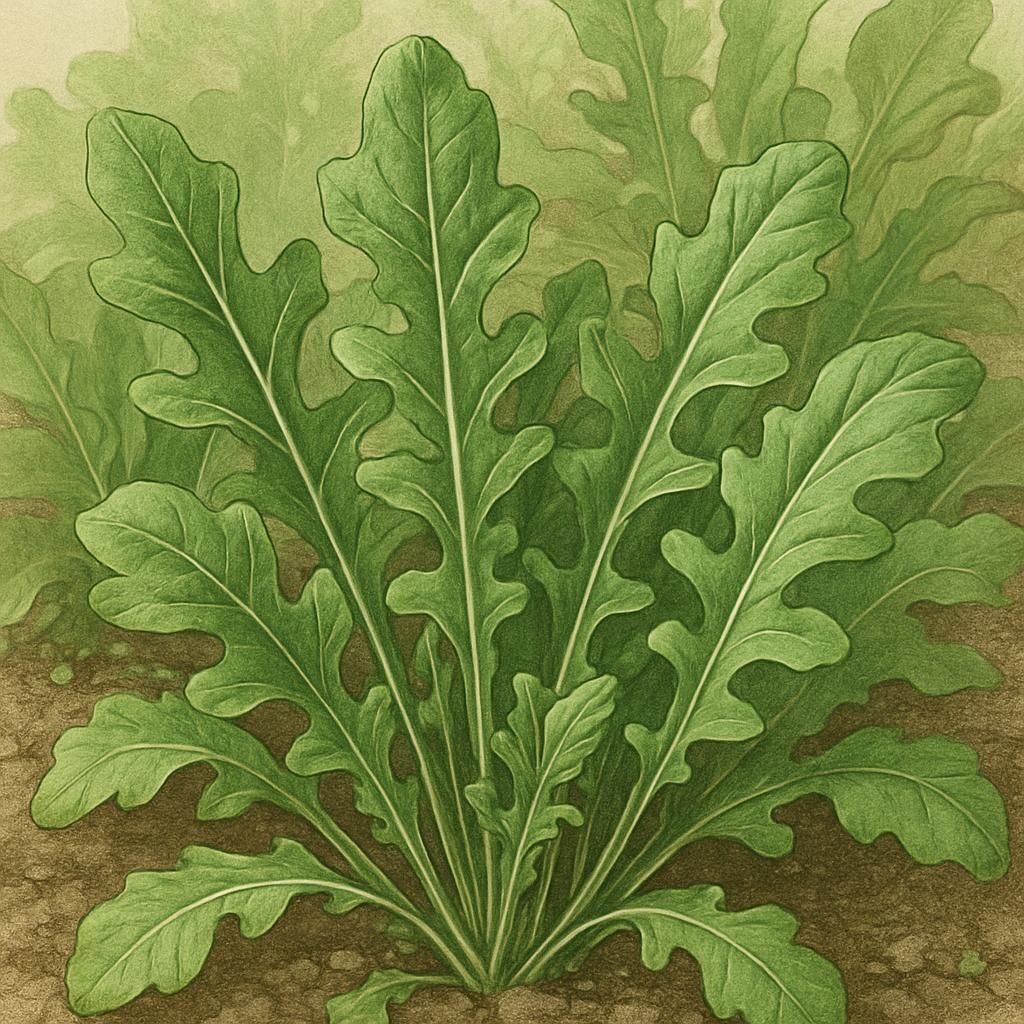
Introduction to Arugula (Wild Roquette)
Arugula, also known as Wild Roquette, is an increasingly popular leafy green noted for its distinctive peppery flavor and nutritional value. Its ease of cultivation and ability to grow in cooler temperatures make it a desirable crop for both commercial producers and home gardeners. Known scientifically as Eruca vesicaria, this plant is part of the Brassicaceae family, which includes other cruciferous vegetables such as broccoli and cabbage.
Botanical Profile of Arugula (Wild Roquette)
Wild Roquette is an annual plant that grows about 20-100 cm tall. The leaves are deeply lobed with a characteristic spicy taste, while the younger leaves offer a milder flavor. Arugula's small white or yellowish flowers add a visual appeal, often becoming a feature in gourmet dishes. The seeds of Eruca vesicaria are small, round, and brown, facilitating easy reseeding and propagation.
Soil, pH, and Climate Requirements for Arugula (Wild Roquette)
Arugula is highly adaptable but prefers loamy, well-draining soils with adequate organic matter. Maintaining optimal soil conditions can enhance its growth and flavor profile. Here is a table of ideal growing conditions:
| Parameter | Ideal Value |
|---|---|
| Soil Type | Loamy, well-draining |
| Soil pH | 6.0 - 7.0 |
| Temperature Range | 10°C - 20°C (50°F - 68°F) |
| Sun Exposure | Full sun to partial shade |
Step-by-Step Planting & Propagation
- Site Selection: Choose a location that receives full to partial sunlight. Ensure the soil is fertile and well-drained.
- Soil Preparation: Till the soil to a depth of 6-8 inches. Incorporate organic compost to improve nutrient content.
- Sowing Seeds: Sow seeds directly in the garden bed 1/4 inch deep, with rows 6 inches apart. Thin seedlings to 4-6 inches apart once they emerge.
- Watering: Maintain consistent moisture but avoid waterlogging. Use drip irrigation to minimize foliar wetness that can lead to disease.
- Fertilization: Apply a balanced fertilizer if soil lacks nutrients. Over-fertilization, particularly nitrogen, can reduce leaf quality.
Care & Maintenance Regimes for Arugula (Wild Roquette)
Regular care sustains healthy, vigorous growth. Maintain consistent cultivation practices to ensure a bountiful harvest. Here is a table outlining care routines:
| Activity | Schedule/Notes |
|---|---|
| Watering | Moderate, 1 inch per week |
| Fertilizing | Every 4 weeks with balanced 10-10-10 fertilizer |
| Pruning | Trim leaves regularly to encourage new growth |
Pests, Diseases & Organic Management
Arugula can encounter several pests and diseases but responds well to integrated pest management strategies:
- Aphids: Predatory insects or neem oil can be effective.
- Spider Mites: Increase humidity and use insecticidal soap.
- Powdery Mildew: Apply fungicidal sprays; ensure adequate plant spacing for airflow. Organic solutions like crop rotation and companion planting can mitigate these issues, allowing the soil to rejuvenate and break pest cycles. For more details, refer to our Crop Diseases Under the Microscope: 9 Organic Fixes for Small Farm Resilience.
Harvesting, Curing & Optimal Storage
Arugula reaches harvest maturity 30-45 days post-sowing. Here’s how to manage the harvesting process:
- Harvest Timing: Cut leaves early in the morning for best flavor retention.
- Method: Use sharp scissors to snip leaves about 1 inch above the soil level.
- Storage: Wash leaves gently and dry them before storing in a refrigerator. Keep them in perforated plastic bags to extend shelf life to about a week.
Companion Planting for Arugula (Wild Roquette)
Companion planting is beneficial for enhancing arugula growth and reducing pest loads. Suitable companions include:
- Tomatoes: They provide shade, protecting arugula from excessive heat.
- Onions: Repel pests naturally, such as aphids.
- Nasturtiums: Attract beneficial insects and add ornamental value. Avoid planting arugula near cabbage and other members of its family to reduce competition for nutrients and shared pest issues. Additionally, you can explore Summer Companion Planting: 10 Organic Pairings to Boost Small Farm Resilience for strategic seasonal pairings.