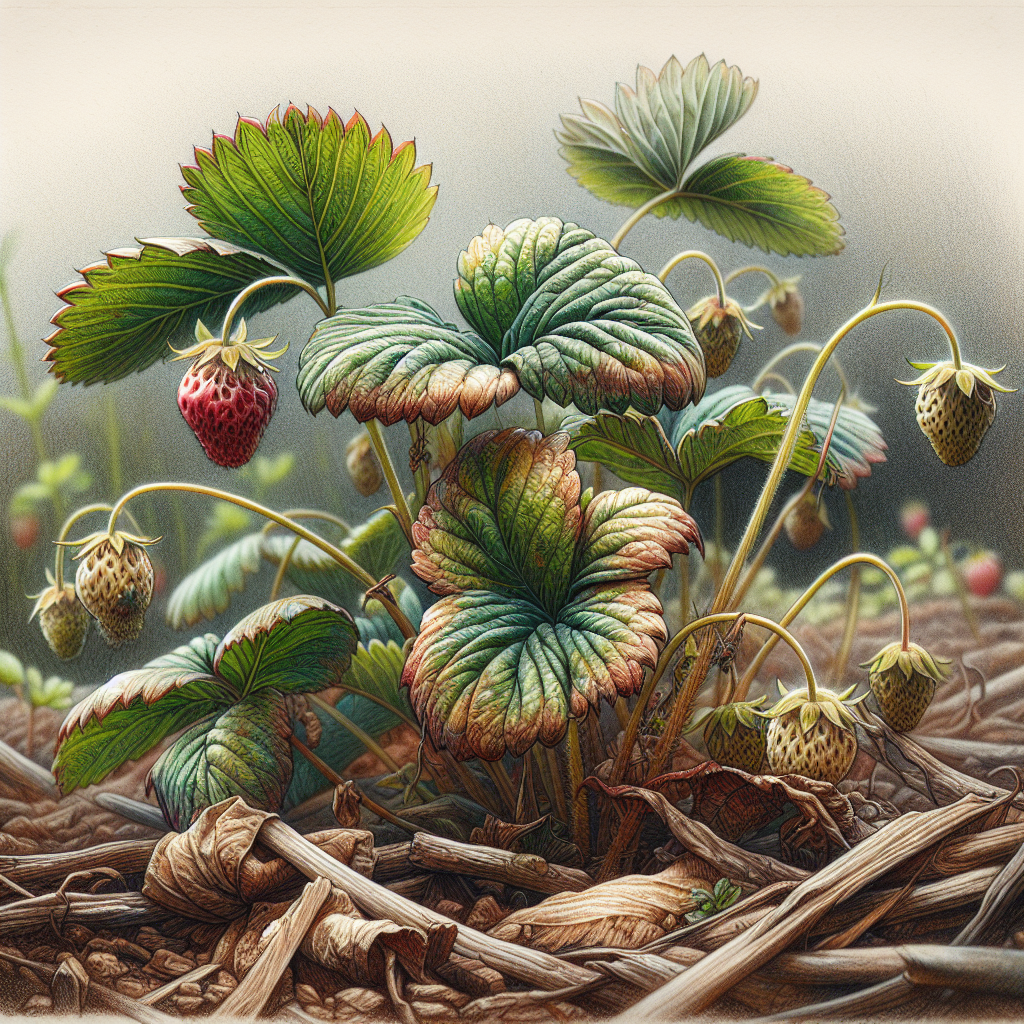
How to Diagnose and Revive Suddenly Struggling Strawberry Plants: Organic Fixes for Common Issues
Introduction
Strawberry plants (Strawberry) are beloved for their sweet, juicy berries and relatively easy care, but even thriving patches can suddenly start struggling. One day, your vigorous runners are spreading happily; the next, leaves wilt, berries shrink, or growth stalls entirely. This abrupt decline often signals an underlying issue that, if addressed promptly, can be reversed with organic methods. Common symptoms include drooping foliage, yellowing leaves, stunted fruit, or blackened roots. Whether you're growing Albion Strawberry everbearers or June-bearing types like Chandler Strawberry, sudden struggles typically stem from environmental stress, care errors, or biological threats. This guide walks you through diagnosis, organic treatments, and prevention to get your strawberries back on track for a productive season.
Common Causes of Sudden Struggles in Strawberry Plants
Strawberries are sensitive perennials that demand specific conditions: well-drained acidic soil (pH 5.5-6.5), consistent moisture without waterlogging, and protection from extremes. Sudden issues often arise from imbalances. Below, we break down the top culprits with diagnostic clues.
1. Water Stress (Over- or Underwatering)
Most frequent cause for rapid wilting. Strawberries have shallow roots (top 6-8 inches), making them prone to fluctuations.
- Underwatering: Leaves curl, dry out, and crisp at edges; plants droop by afternoon.
- Overwatering: Leaves yellow from bottom up, soil smells sour; roots rot.
2. Nutrient Deficiencies
Especially nitrogen, potassium, or iron in alkaline soils.
- Nitrogen lack: Pale green to yellow older leaves.
- Potassium shortage: Brown leaf edges, weak stems.
- Iron deficiency (common in high pH): Yellow new leaves with green veins.
3. Pests
Sudden infestations hit fast.
- Slugs/snails: Irregular holes in leaves/berries, slime trails.
- Spider mites: Fine webbing, stippled yellow leaves.
- Tarnished plant bugs: Crinkled new growth, deformed berries.
4. Diseases and Fungi
Pathogens thrive in wet, crowded conditions.
- Verticillium wilt: Wilting on one side, brown vascular tissue.
- Gray mold (Botrytis): Fuzzy gray on berries/leaves.
- Powdery mildew: White powdery coating on leaves.
5. Environmental Factors
- Temperature extremes: Heat >85°F scorches leaves; cold snaps (<32°F) blacken tips.
- Poor soil/compaction: Roots can't breathe, leading to stunting.
Use this diagnostic table to pinpoint the issue:
| Symptom | Likely Cause | Quick Check |
|---|---|---|
| Wilting despite watering | Root rot/overwatering | Dig up a plant; roots mushy/black? |
| Yellow older leaves | Nitrogen deficiency | Soil test pH/nutrients |
| Holes in leaves/berries | Slugs or insects | Night inspection with flashlight |
| White powder on leaves | Powdery mildew | Underside leaf exam |
| Deformed berries | Tarnished plant bugs | Shake plant over white paper |
| One-sided wilting | Verticillium wilt | Cut stem; brown streaks? |
Conduct a soil test (kits available at garden centers) and inspect roots/plants closely at dawn or dusk for pests.
Step-by-Step Organic Solutions
Act fast--remove affected plants if disease is confirmed to prevent spread. Focus on organic fixes prioritizing soil health and natural predators.
Step 1: Assess and Isolate
- Inspect thoroughly: Check soil moisture (should be damp like a wrung sponge), roots, and foliage.
- Quarantine: Move struggling plants away from healthy ones.
Step 2: Address Water Issues
- Improve drainage: Raised beds or mounds (8-12 inches high) prevent waterlogging. Mix in 20-30% compost or aged pine bark for acidity.
- Mulch heavily: 2-3 inches of straw or pine needles retains moisture, suppresses weeds, and regulates temperature.
- Water deeply but infrequently: 1-2 inches weekly, early morning via drip irrigation. Avoid overhead watering.
Step 3: Correct Nutrients Organically
- Compost tea: Brew 1 part compost in 5 parts water (aerate 24-48 hours), apply as foliar/root drench weekly.
- Fish emulsion or seaweed kelp: Dilute per label for nitrogen/potassium boost. Apply every 2 weeks.
- Acidify soil: Add elemental sulfur or cottonseed meal if pH >6.5; retest after 4-6 weeks.
For deficiencies:
| Nutrient | Organic Fix | Application Rate |
|---|---|---|
| Nitrogen | Blood meal or fish emulsion | 1-2 tbsp/gal water |
| Potassium | Wood ash or banana peels | 1 cup/sq yd, lightly |
| Iron | Chelated iron or pine needles | Foliar spray monthly |
Step 4: Combat Pests Naturally
- Slugs: Beer traps (shallow dishes sunk in soil) or diatomaceous earth barrier.
- Mites/bugs: Strong water blast; release predatory mites or ladybugs. Neem oil spray (1 tsp/gal + soap) weekly.
- Hand-pick at night; encourage birds/toads with habitats.
Step 5: Treat Diseases
- Fungal issues: Improve air circulation (18-24 inch spacing); prune dead leaves.
- Baking soda spray: 1 tbsp baking soda + 1 tsp hort oil/gal water, every 7-10 days.
- Wilt: Solarize soil (clear plastic 4-6 weeks summer) or rotate with non-hosts like Onion.
- Remove infected debris; compost off-site.
Step 6: Revive and Monitor
- Prune 20-30% of foliage to reduce stress.
- Fertilize lightly post-recovery.
- Track progress weekly; full rebound in 2-4 weeks.
Prevention Tips for Healthy Strawberry Patches
Prevention beats cure--strawberries thrive with proactive care:
- Site selection: Full sun (6-8 hours), well-drained sandy loam.
- Variety choice: Heat-tolerant like Albion Strawberry for your climate.
- Crop rotation: Every 3 years; follow with Garlic to deter nematodes.
- Annual renovation: After June harvest, mow tops, thin to 12-18 inches, fertilize.
- Winter protection: Mulch 4-6 inches deep after first frost.
- pH monitoring: Test yearly; maintain 5.5-6.5.
- Companion planting: Marigolds or Nasturtium for pest repulsion.
| Maintenance Timeline | Action Item |
|---|---|
| Spring | Weed, mulch, first compost tea |
| Summer | Monitor water/pests weekly |
| Fall | Renovate, plant new runners |
| Winter | Mulch heavily |
By integrating these practices, your strawberries will resist sudden declines. Healthy plants yield 1-2 quarts per foot of row annually. Patience and observation are key--most issues resolve organically without chemicals.
(Word count: 912)