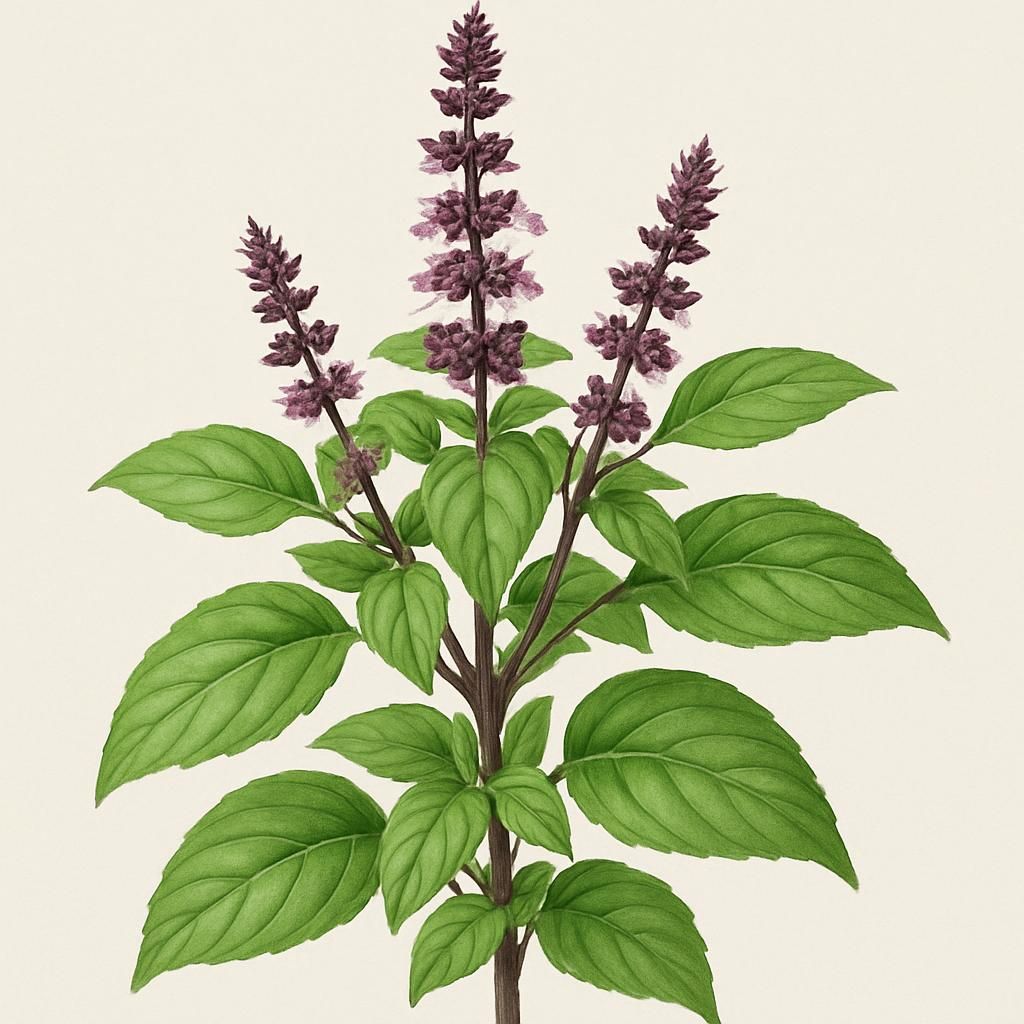
Introduction to Thai Towers Basil
Thai Towers Basil is a striking variety of basil known for its tall, narrow growth habit, which makes it an excellent choice for space-constrained gardens or container planting. This variety combines the aromatic and flavorful qualities of traditional Thai basil with an aesthetically pleasing upright form, making it ideal for culinary and ornamental purposes.
Botanical Profile of Thai Towers Basil
Thai Towers Basil, scientifically referred to as Ocimum basilicum ‘Thai Towers’, is a member of the mint family, Lamiaceae. This herb is characterized by its glossy, deep green leaves and vibrant purple flowers that attract pollinators. Unlike other basil varieties, Thai Towers takes on a more columnar shape, reaching heights of up to 2 feet while maintaining a pencil-thin width.
Soil, pH, and Climate Requirements for Thai Towers Basil
Achieving optimal growth for Thai Towers Basil involves understanding its preferred soil and climate conditions:
| Parameter | Ideal Conditions |
|---|---|
| Soil Type | Loamy, well-drained |
| pH Level | 6.0 - 7.5 |
| Temperature Range | 70-85°F (21-29°C) |
| Humidity | Moderate to high |
| Sunlight | Full sun |
Step-by-Step Planting & Propagation
- Selecting Seeds or Seedlings: Purchase quality seeds or healthy seedlings from a reputable provider.
- Soil Preparation: Amend soil with organic matter. Ensure it's well-draining.
- Sowing Seeds: Plant seeds 1/4 inch deep in pots or garden beds, 2-3 weeks before the last frost.
- Transplanting: Once seedlings show true leaves and frost danger has passed, transplant them with 18 inches spacing for adequate air circulation.
- Watering: Keep the soil consistently moist but not waterlogged.
- Thinning: Thin out weaker plants to promote stronger growth in remaining seedlings.
Care & Maintenance Regimes for Thai Towers Basil
Caring for Thai Towers Basil requires regular water, feeding, and pruning to maintain its health and maximize yield:
| Activity | Schedule |
|---|---|
| Watering | Twice a week, more frequently in hotter conditions |
| Fertilizing | Use a balanced water-soluble fertilizer every 4 weeks |
| Pruning | Pinch off flower heads to encourage leaf growth |
Pests, Diseases & Organic Management
Thai Towers Basil can be susceptible to certain pests and diseases. Common issues include:
- Aphids: Regularly check plants and use neem oil for management.
- Spider Mites: Maintain humidity and use insecticidal soap if needed.
- Downy Mildew: Promote air circulation and avoid overhead watering.
For a comprehensive guide, see Crop Diseases Under the Microscope: 9 Organic Fixes for Small Farm Resilience.
Harvesting, Curing & Optimal Storage
- Harvesting: Begin harvesting leaves when plants are about 8 inches tall. Consistently pinching off leaves encourages bushier growth.
- Curing: Dry leaves on a flat surface in a shaded area; avoid direct sunlight.
- Storage: Store dried leaves in airtight containers in a cool, dark place.
Companion Planting for Thai Towers Basil
Thai Towers Basil thrives when paired with specific plants, offering benefits such as pest control and growth enhancement. Ideal companion plants include:
- Tomato: Enhances flavor and wards off pests.
- Marigold: Natural pest repellant.
- Peppers: Similar cultural requirements.
Explore more about effective pairings in the article Summer Companion Planting: 10 Organic Pairings to Boost Small Farm Resilience.