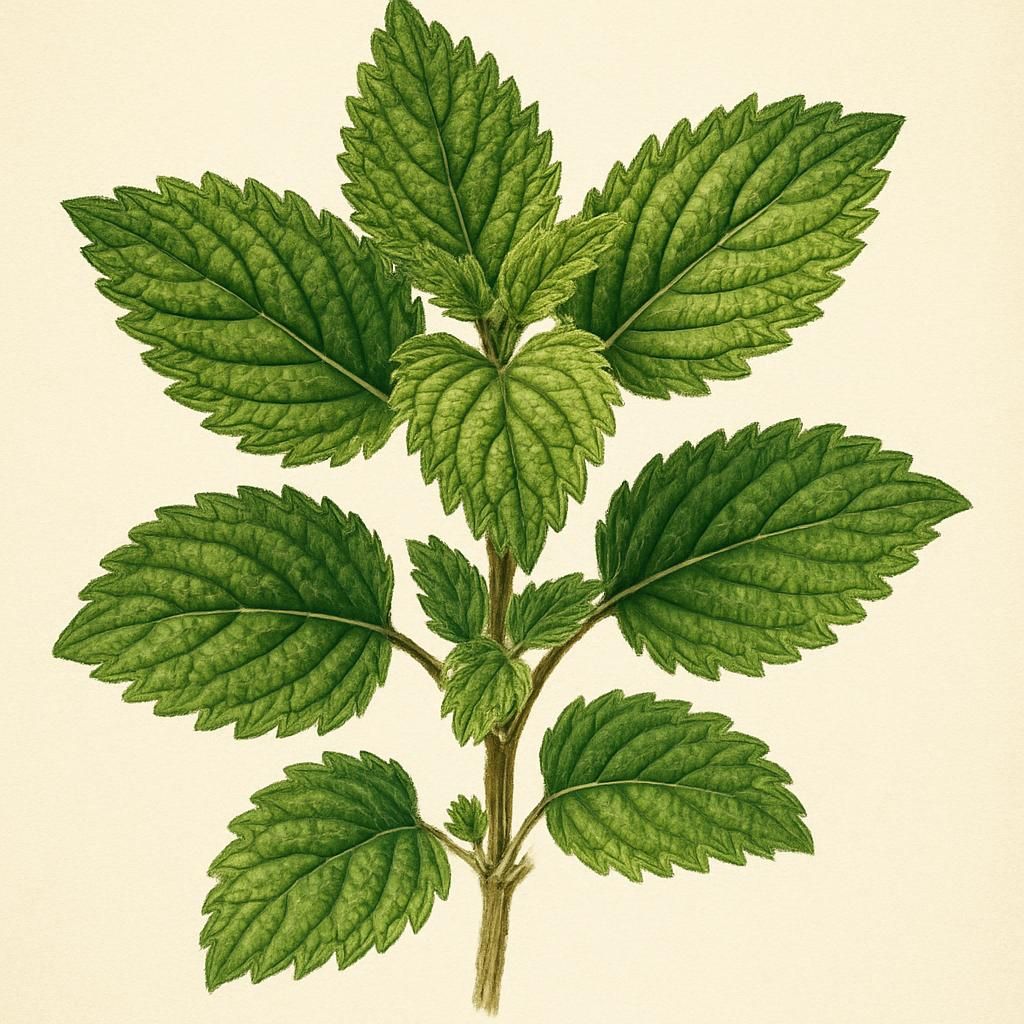
Introduction to Strawberry Mint
Strawberry Mint is an intriguing hybrid of the mint family that combines aromatic allure with culinary utility. Known for its captivating fragrance reminiscent of strawberries with a twist of peppermint, this herb serves both as an attractive garden companion and a versatile ingredient in various dishes and beverages. An easy-to-grow perennial, Strawberry Mint is praised for its ability to adapt to a variety of growing conditions while providing robust ground cover.
Botanical Profile of Strawberry Mint
Strawberry Mint, scientifically known as Mentha × piperita 'Strawberry', belongs to the Lamiaceae family. This herbaceous perennial sports smooth, green leaves tinged with hints of purple, often accompanied by spikes of delicate lilac or pink flowers in summer. Native to Europe, it has become a popular plant for gardeners and chefs alike, celebrated for its aromatic foliage and moderate spreading nature that makes it suitable for controlled garden spaces.
Soil, pH, and Climate Requirements for Strawberry Mint
Strawberry Mint is relatively forgiving but thrives best in certain conditions, which are ideal to maximize its growth and aroma.
| Condition | Optimal |
|---|---|
| Soil Type | Well-drained, loamy |
| Soil pH | 6.0 - 7.0 |
| Climate | Temperate to cool |
| Sunlight | Full sun to partial shade |
| Water Requirement | Moderate |
Step-by-Step Planting & Propagation
- Site Selection: Choose a location with access to ample sunlight, at least 4-6 hours daily.
- Soil Preparation: Enrich the chosen ground with organic matter to enhance drainage and nutrient content.
- Planting: For outdoor planting, space the plants about 12 inches apart to permit airflow and growth.
- Propagation: Propagation is efficiently done via stem cuttings. Cut a healthy 6-inch stem and place it in water until roots develop, then transplant.
- Transplanting: Gently move seedlings or rooted cuttings to their final growing location once they are robust enough to survive.
Care & Maintenance Regimes for Strawberry Mint
Consistent care ensures healthy growth and aromatic foliage, crucial for culinary use.
| Care Aspect | Frequency | Description |
|---|---|---|
| Watering | Twice weekly | Keep soil moist; avoid waterlogging. |
| Fertilization | Monthly | Use a balanced, all-purpose plant food. |
| Pruning | As needed | Pinch back tops to promote bushier growth. |
Pests, Diseases & Organic Management
Strawberry Mint can occasionally be troubled by pests like Spider Mites and diseases such as powdery mildew. Implement organic management strategies like:
- Regularly inspect leaves and use neem oil to deter pests.
- Ensure proper spacing between plants to reduce mildew risks by increasing airflow.
- Rotate plantings and avoid over-fertilizing to curb pest and disease pressures.
For a comprehensive understanding of pest and disease management on small farms, explore the post Crop Diseases Under the Microscope: 9 Organic Fixes for Small Farm Resilience.
Harvesting, Curing & Optimal Storage
- Harvesting: Pick early in the morning when essential oils are most potent.
- Curing: Dry leaves in a warm, dry, and shaded environment.
- Storage: Store dried leaves in airtight containers away from sunlight to preserve flavor and aroma.
Companion Planting for Strawberry Mint
Strawberry Mint is a stellar companion plant for crops such as Tomato, Cabbage, and Strawberry. These combinations can enhance flavor profiles, deter pests, and optimize space utilization.
Explore more about successful companion planting in the blog post Spring Companion Planting: 8 Organic Pairings to Maximize Small Farm Yields.