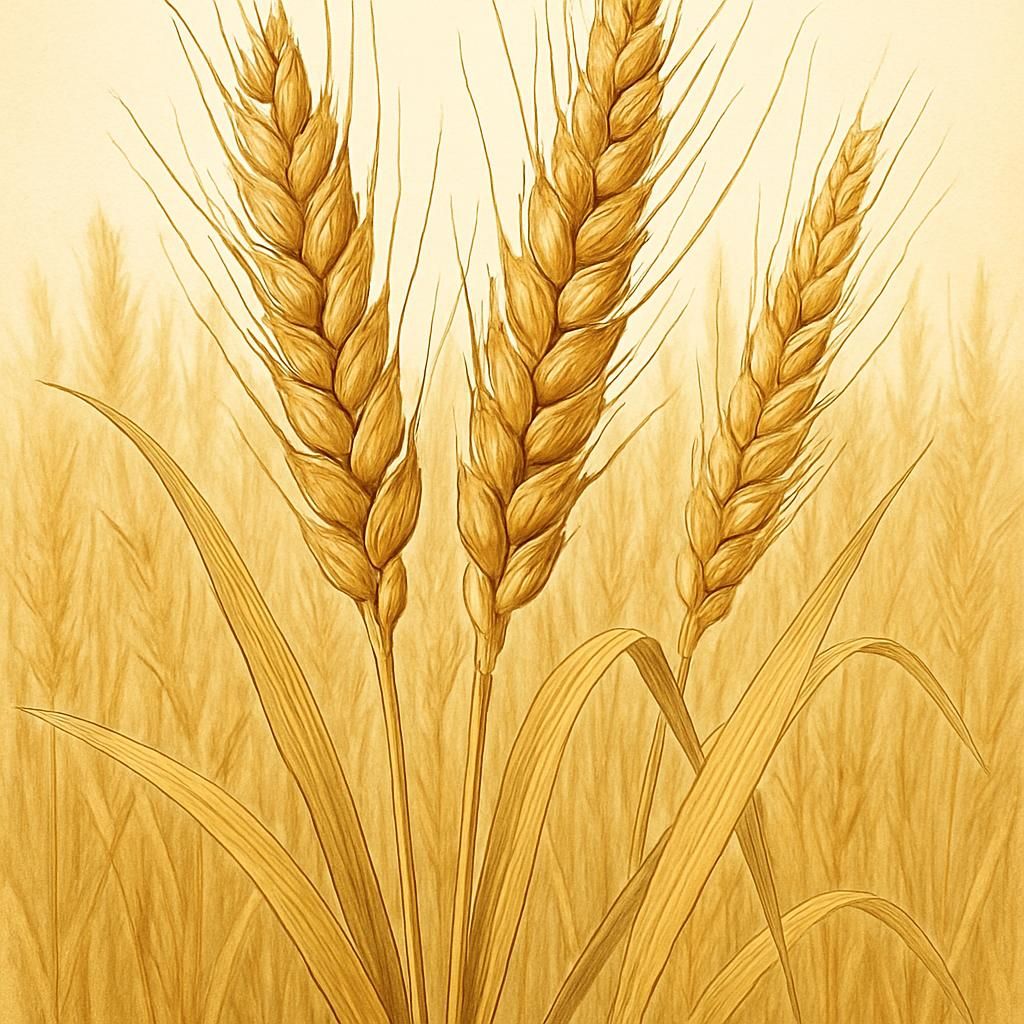
Introduction to Sonora Wheat
Sonora Wheat, a heritage variety, has been cultivated in North America since the 18th century. It's a soft white wheat primarily used for making tortillas due to its low protein and gluten content, providing a delicate sweetness. This wheat variety is drought-tolerant and well-suited to organic farming, making it a staple in arid regions.
Botanical Profile of Sonora Wheat
Sonora Wheat is a subspecies of Wheat, characterized by its short height and its soft, golden kernels that are easily milled. It typically grows to a height of about 2-3 feet, maturing within 108-120 days post-planting. This annual grass species thrives in warm climates, making it a prominent choice in areas like the Sonoran Desert from which it gets its name.
Soil, pH, and Climate Requirements for Sonora Wheat
Sonora Wheat is versatile but prefers specific conditions to reach its full potential. It thrives in well-drained soils with moderate fertility. Here are the ideal conditions:
| Parameter | Ideal Condition |
|---|---|
| Soil Type | Well-drained loam or sandy soils |
| pH Level | 6.0 - 7.5 |
| Climate | Arid or semi-arid |
| Temperature | 15-25°C (59-77°F) |
| Rainfall | 300-500 mm annually |
Step-by-Step Planting & Propagation
- Site Selection: Choose a location with full sun exposure. Sonora Wheat prefers arid to semi-arid regions.
- Soil Preparation: Till the soil to a fine texture and clear any weeds. Amending with organic compost can improve soil fertility.
- Sowing: Sow seeds directly in the field. The planting depth should be about 1-2 inches, with a spacing of 8-10 inches between rows.
- Timing: Plant in early spring for a summer harvest. In regions with mild winters, fall planting can also be successful.
Care & Maintenance Regimes for Sonora Wheat
Ensuring optimal growth involves consistent monitoring and care for the wheat crop. Below is a consolidated guide:
| Care Aspect | Schedule and Description |
|---|---|
| Watering | Moderate; allow soil to dry slightly between waterings to prevent root rot. Ideal during critical growth stages such as tillering and grain filling. |
| Fertilizer | Use a balanced organic fertilizer when preparing the soil. A side dressing of nitrogen may be applied during the tillering stage for enhanced growth. |
| Pruning | Not applicable to wheat, but regular monitoring for disease will help maintain plant health. |
Pests, Diseases & Organic Management
Sonora Wheat is susceptible to several pests and diseases common to wheat:
- Hessian Fly: Employ crop rotation and resistant varieties.
- Spider Mites: Use neem oil or introduce predatory mites.
- Rusts (Leaf, Stripe, Stem): Practice crop rotation and apply organic fungicides such as sulfur.
Employing techniques like crop rotation and maintaining healthy soil can reduce the incidence of these problems. You might find 7 Summer Pest Traps That Sabotage Small Farm Harvests helpful in crafting strategies to combat these issues.
Harvesting, Curing & Optimal Storage
- Harvesting: Harvest Sonora Wheat when the grains are hard and the plant is golden brown, usually in mid-summer.
- Curing: Allow the wheat to dry in the field for a week after cutting to reduce moisture content.
- Storage: Store cleaned and dried wheat berries in airtight containers at a consistent cool temperature to prolong shelf life.
Companion Planting for Sonora Wheat
Companion planting can enhance nutrient uptake, pest control, and pollination:
- Legumes: Incorporating Chickpeas and Peas can improve soil nitrogen levels.
- Yarrow: Acts as a pest repellent and improves pollinator activity.
- Marigold: Deters nematodes and improves soil health.
For a deeper dive into the benefits of companion planting, check out this relevant blog post: Summer Companion Planting: 10 Organic Pairings to Boost Small Farm Resilience.