Introduction to Miner’s Lettuce
Miner’s Lettuce, scientifically known as Claytonia perfoliata, is a nutrient-rich leafy green that thrives in cool climates. Originally a wild edible plant, it has gained popularity in home gardens and small farms due to its ease of cultivation and nutritious benefits. Valued for its mild flavor similar to spinach, Miner’s Lettuce can be used in salads, soups, and as a versatile green in various culinary dishes.
Botanical Profile of Miner’s Lettuce
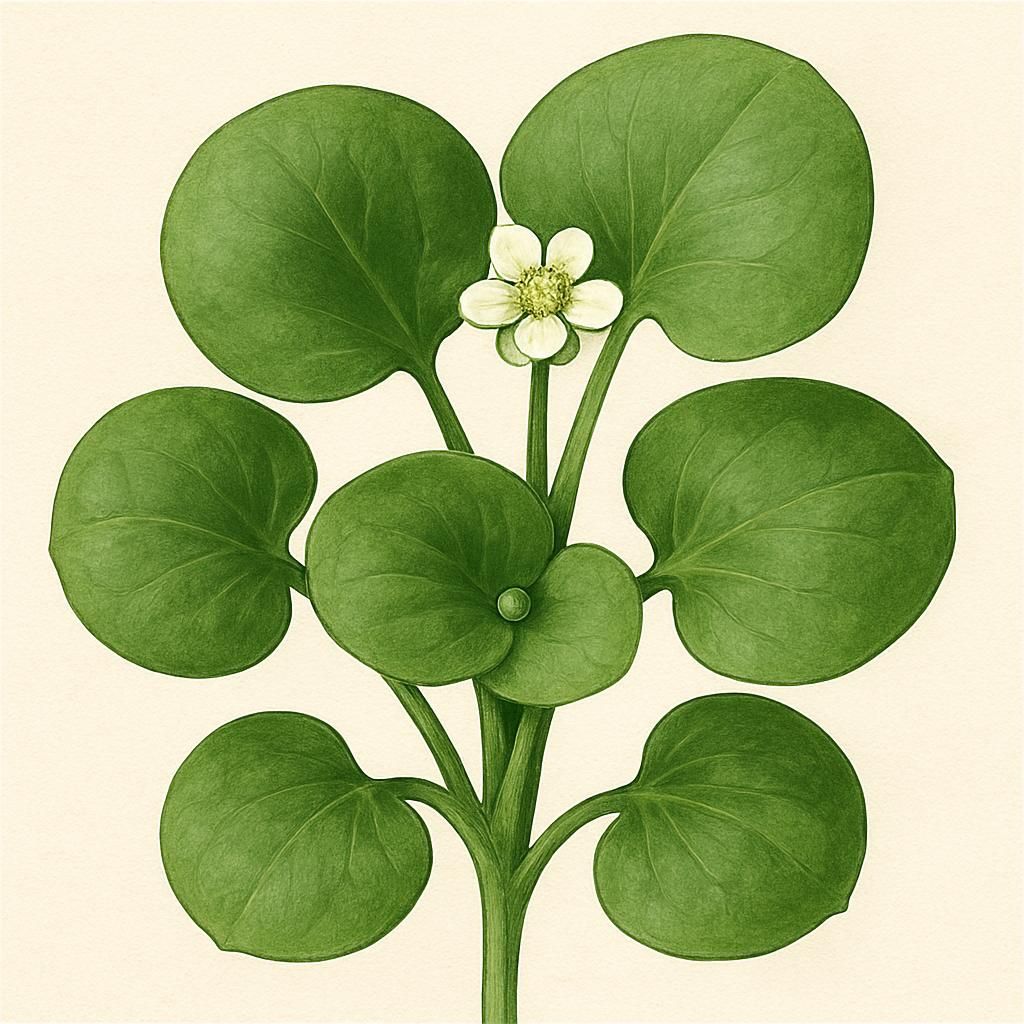
Belonging to the family Montiaceae, Miner’s Lettuce is an annual plant native to the western mountain and coastal regions of North America. It features small, round leaves with a soft texture, often surrounding the stem’s center, creating a cupped shape which holds small white to pinkish flowers.
Soil, pH, and Climate Requirements for Miner’s Lettuce
Miner’s Lettuce prefers a moderate climate with cool temperatures and is frost-tolerant. It can be grown in a variety of soils but thrives best in well-drained sandy loams.
| Requirement | Ideal Condition |
|---|---|
| Soil Type | Well-drained, loamy |
| Soil pH | 6.0 to 7.0 |
| Temperature Range | 50°F to 65°F (10°C to 18°C) |
| Light Requirement | Partial shade to full sun |
Step-by-Step Planting & Propagation
- Site Selection: Choose a site with partial shade if in a warm climate. Full sun is acceptable in cooler climates.
- Soil Preparation: Prepare the soil by mixing organic matter or compost, ensuring good drainage.
- Seeding: Sow seeds directly into the ground as soon as the soil can be worked in early spring, when the frost danger has passed.
- Spacing: Plant seeds 1 inch apart in rows 12 inches apart. Cover lightly with soil.
- Watering: Keep the soil consistently moist but not soggy until seeds germinate.
- Thinning: Once seedlings appear and are a few inches tall, thin them to stand 4-6 inches apart.
Care & Maintenance Regimes for Miner’s Lettuce
Consistency in care is key to grow healthy Miner’s Lettuce. Regular attention to light watering and occasional soil nutrients is essential.
| Care Aspect | Schedule |
|---|---|
| Watering | Twice per week or as needed to keep soil moist |
| Fertilizing | Apply balanced liquid fertilizer every 3-4 weeks |
| Pruning | Trim flowering stalks to promote leaf growth |
Pests, Diseases & Organic Management
Miner’s Lettuce is typically resistant to most pests and diseases, though occasional problems can arise. Aphids and spider mites can be common pests. Organic controls include:
- Spraying neem oil solution for pest control.
- Encouraging beneficial insects such as ladybugs.
- Removing any diseased plants promptly to prevent spread.
- Practicing crop rotation to minimize disease buildup.
Harvesting, Curing & Optimal Storage
Miner’s Lettuce is ready for harvest when leaves are tender and reach 3-4 inches in diameter.
- Harvesting: Cut the plant at the base, leaving the root to regrow if extended harvest is desired.
- Curing: Allow harvested leaves to air dry in shade if needed, although not typically required.
- Storage: Refrigerate harvested leaves in a plastic bag or container; optimal conditions can keep them fresh for up to a week. Avoid exposure to excess moisture to prevent wilting.
Companion Planting for Miner’s Lettuce
Miner’s Lettuce pairs well with several plants, enhancing growth and repelling unwanted pests.
- Ideal Companions: Garlic, Lettuce, Radish.
- Avoid Planting Near: It is generally not selective but avoid shade-intolerant companions.
- Check out Summer Companion Planting: 10 Organic Pairings to Boost Small Farm Resilience for additional companion planting advice.