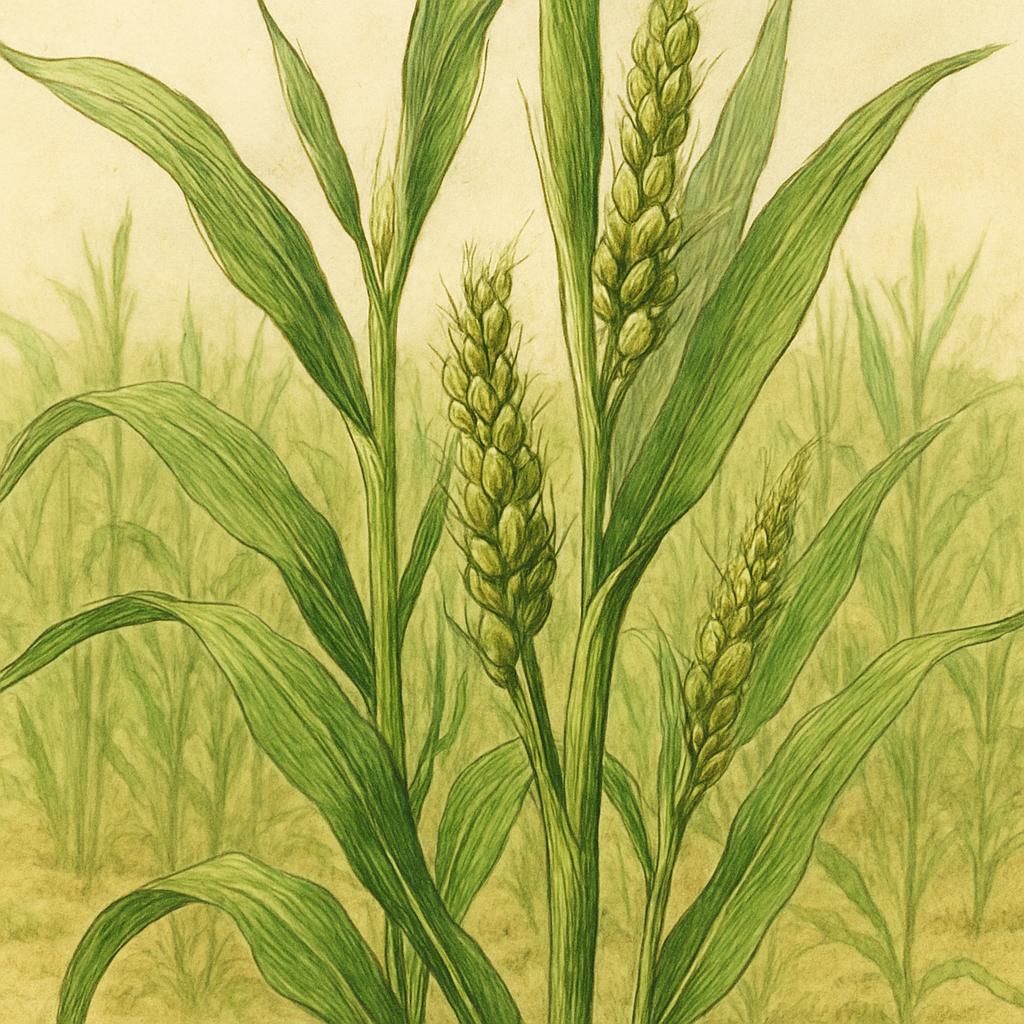
Introduction to Maize (Teosinte - Zea diploperennis)
Teosinte (Zea diploperennis) is a perennial grass native to the Central America region. Often considered the wild ancestor of maize, Teosinte offers genetic diversity that can be vital for maintaining crop resilience. Its natural resistance to pests and diseases makes it an excellent candidate for sustainable agricultural practices.
Botanical Profile of Maize (Teosinte - Zea diploperennis)
Teosinte exhibits a grass-like appearance, distinct from the conventional maize but genetically similar. The plant grows to an average height of 1.5-2 meters and produces small ears with kernels similar to corn but harder. Its genetic structure is robust, allowing it to thrive even in less-than-ideal conditions.
Soil, pH, and Climate Requirements for Maize (Teosinte - Zea diploperennis)
Teosinte adapts well to a variety of soils but thrives in well-drained, fertile conditions. Ideal pH and climatic conditions are crucial for optimal yield:
| Factor | Ideal Conditions |
|---|---|
| Soil Type | Well-drained, fertile |
| Soil pH | 5.8 - 7.0 |
| Temperature Range | 15°C - 30°C |
| Rainfall | 600 - 1200 mm annually |
For more insights on soil optimization, check out our blog on Fall Soil Revival: 8 Organic Strategies to Rebuild Fertility for Small Farms.
Step-by-Step Planting & Propagation
- Seed Preparation: Select healthy seeds from mature teosinte plants. Soak the seeds in water for 24 hours to promote germination.
- Soil Preparation: Till the soil to a depth of 10-15 cm, incorporating organic matter to enrich the soil.
- Planting: Sow seeds 2-3 cm deep with a spacing of 90 cm between rows and 50 cm between plants.
- Watering: Ensure consistent moisture, especially during the germination phase.
- Mulching: Apply a thin layer of mulch to retain soil moisture and suppress weeds.
Care & Maintenance regimes for Maize (Teosinte - Zea diploperennis)
Teosinte requires minimal maintenance but benefits significantly from regular care:
| Task | Schedule | Notes |
|---|---|---|
| Watering | Weekly, during dry spells | Avoid waterlogging |
| Fertilizer | Every 4-6 weeks | Use balanced organic fertilizers |
| Pruning | As needed | Remove dead or diseased foliage |
Pests, Diseases & Organic Management
Teosinte's natural pest resistance simplifies management, but vigilance is key against threats like Corn Earworm and Spider Mites. Organic solutions include neem oil applications and encouraging the presence of beneficial insects. For broader pest management strategies, refer to the blog 7 Summer Pest Traps That Sabotage Small Farm Harvests.
Harvesting, Curing & Optimal Storage
Harvest teosinte when ears are fully mature and kernels are hard. Cut plants at the base and hang them upside down in a well-ventilated space for curing. Once dried, kernels can be stored in airtight containers in a cool, dry place, away from sunlight.
Companion Planting for Maize (Teosinte - Zea diploperennis)
Teosinte pairs well with Beans and Squash, forming a mutualistic relationship known as the "Three Sisters" planting method. This companion planting strategy helps improve soil fertility and pest control, supporting holistic farm health. Discover further companion planting tips in the article Spring Companion Planting: 8 Organic Pairings to Maximize Small Farm Yields.