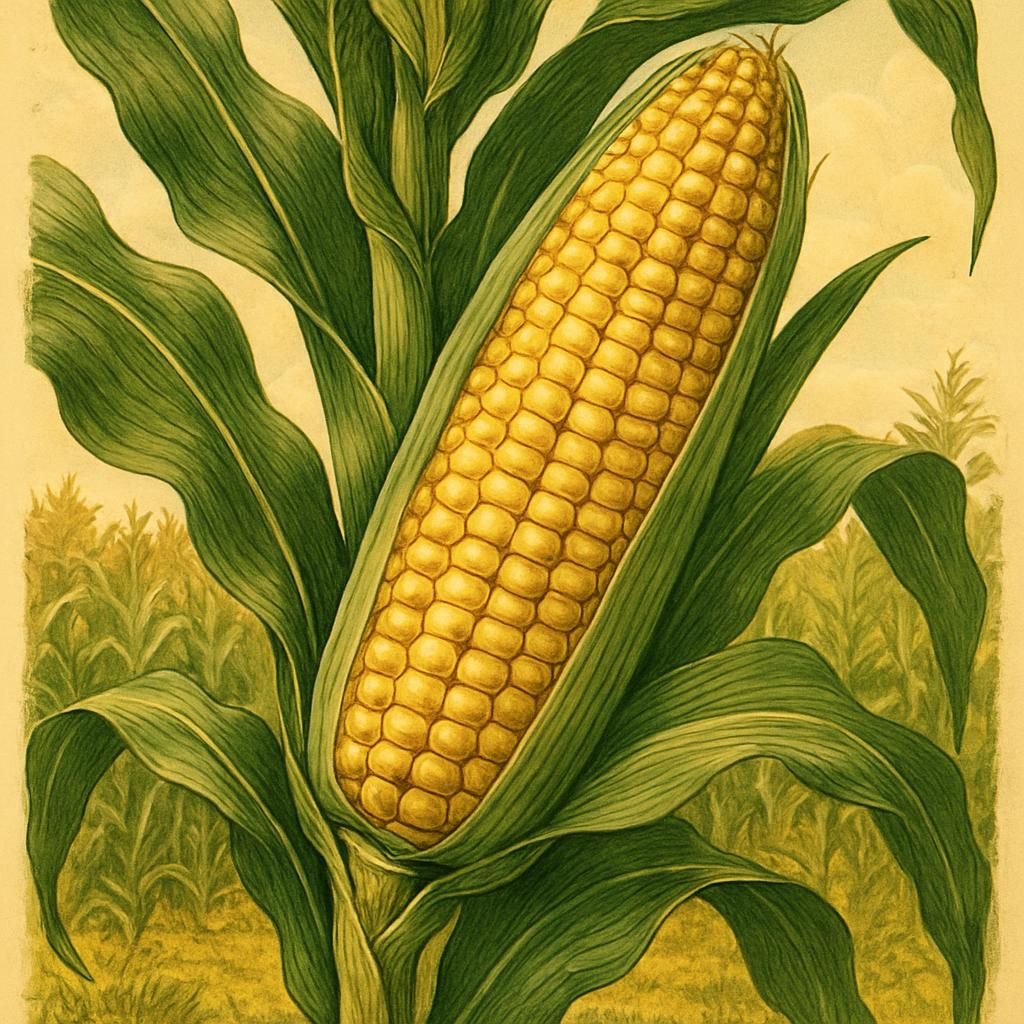
Introduction to Maize (Krakatit)
Maize, commonly known as corn, is a staple food crop cultivated worldwide. The 'Krakatit' variety is prized for its adaptability, high yield potential, and strong resistance to environmental stressors. Known for its resilience, Krakatit is becoming increasingly popular among farmers aiming for sustainable and profitable agriculture.
Botanical Profile of Maize (Krakatit)
Family: Poaceae
Genus: Zea
Species: Zea mays
Variety: 'Krakatit'
Maize (Krakatit) is an annual grass that can grow up to 3 meters tall. It features broad, green leaves and produces kernels that are harvested for food, feed, and industrial purposes. The 'Krakatit' cultivar is specifically bred to withstand pest pressures and varying climate conditions, making it a robust choice for diverse farming environments.
Soil, pH, and Climate Requirements for Maize (Krakatit)
Maize thrives in well-drained, nutrient-rich soils with adequate organic matter content. The 'Krakatit' variety is particularly suited for environments with fluctuating temperatures and moisture levels. Here is a table detailing its ideal growing conditions:
| Factor | Ideal Condition |
|---|---|
| Soil Type | Loamy, well-drained |
| pH Level | 6.0 - 6.8 |
| Temperature | 20°C to 30°C |
| Annual Rainfall | 500 mm to 1,200 mm |
Step-by-Step Planting & Propagation
- Site Selection and Preparation: Choose a location with full sun exposure. Prepare the soil by tilling and incorporating organic matter to enhance fertility.
- Sowing: Sow seeds directly into the soil after the last frost date when the soil temperature is above 15°C. Plant seeds 2-5 cm deep, spaced 20-30 cm apart, in rows 70-100 cm apart.
- Germination: Seeds typically germinate within 5-10 days, depending on temperature and moisture levels.
- Thinning: Thin seedlings to ensure adequate space for growth, maintaining a spacing of 20-30 cm between plants.
Care & Maintenance Regimes for Maize (Krakatit)
Proper care and maintenance are crucial for achieving optimal yields with Maize (Krakatit). The following table outlines the essential care requirements:
| Activity | Schedule |
|---|---|
| Watering | Weekly, ensuring 25-50 mm of water |
| Fertilizing | Base fertilization at planting, additional nitrogen mid-growth |
| Pruning | N/A (only remove damaged leaves) |
Pests, Diseases & Organic Management
Maize (Krakatit) is susceptible to various pests such as the Corn Earworm and diseases like Common Rust. Integrated pest management strategies, such as crop rotation and biological control, are recommended. For more organic pest control strategies, read the 7 Summer Pest Traps That Sabotage Small Farm Harvests.
Harvesting, Curing & Optimal Storage
Maize (Krakatit) is typically ready for harvest 100-120 days after planting, depending on climate conditions. Harvest when the kernels are fully developed, and the husks are dry and brown. Cure ears in a dry, warm space for several weeks before storage. Store maize in a cool, dry place to prevent mold and maintain quality.
Companion Planting for Maize (Krakatit)
Companion planting can enhance growth and yield. Compatible companions include Beans, which can fix nitrogen in the soil, and Pumpkins, which can suppress weed growth. Avoid planting near Tomato due to common pest issues.