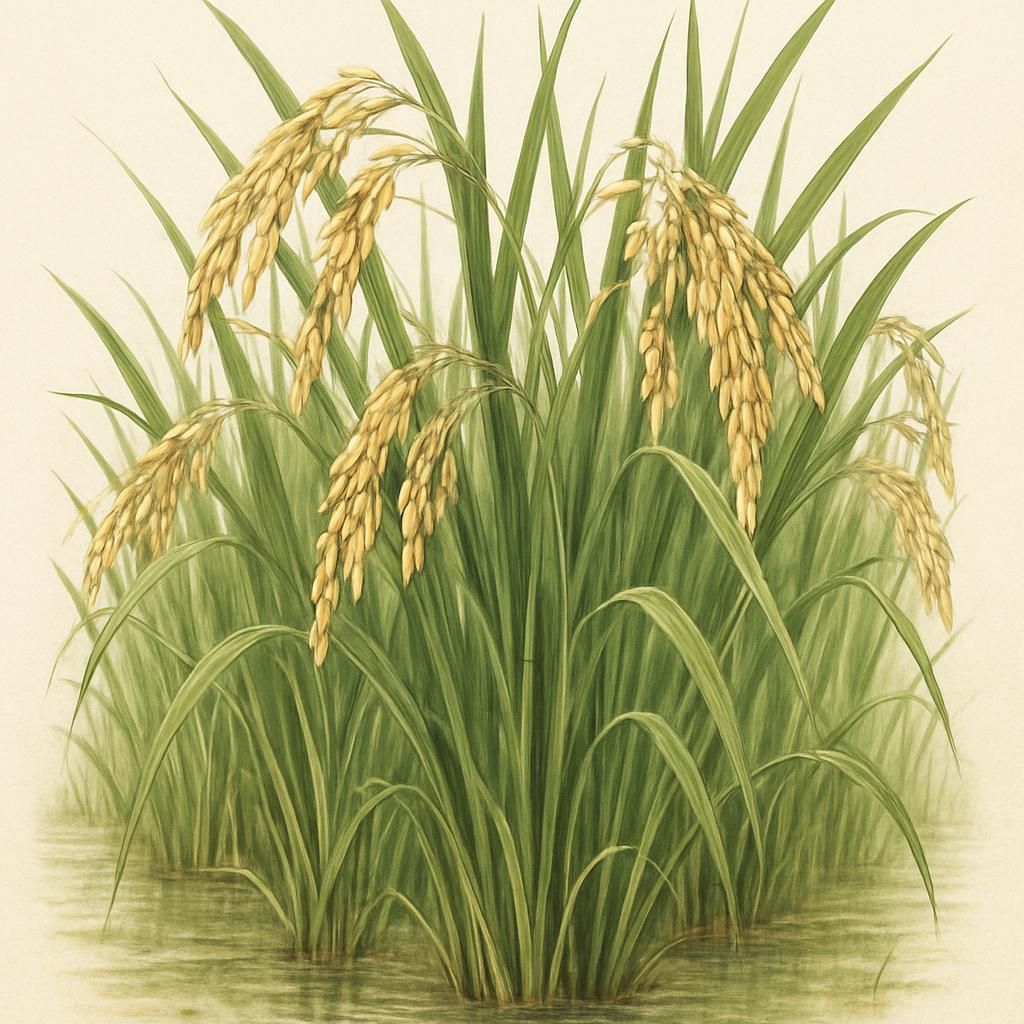
Introduction to Kuzhiyadichan Rice
Kuzhiyadichan Rice is a revered traditional rice variety predominantly cultivated in the southern regions of India. Renowned for its strong aroma and nutritional benefits, this rice is highly adaptable and resilient, making it a favorite among farmers who value sustainability and traditional farming methods. It's particularly suited for organic and wetland cultivation, contributing to its robust genetic lineage.
Botanical Profile of Kuzhiyadichan Rice
The Kuzhiyadichan Rice variety is a type of Rice belonging to the species Oryza sativa. It stands out with its medium grain size, aromatic properties, and distinctive color. This variety flourishes well in humid and wet climatic conditions, generally reaching maturity within a short growth cycle of approximately 120-135 days.
Soil, pH, and Climate Requirements for Kuzhiyadichan Rice
The ideal conditions for cultivating Kuzhiyadichan Rice are outlined below:
| Parameter | Ideal Range |
|---|---|
| Soil Type | Loamy to Clayey |
| Soil pH | 5.5 - 7.2 |
| Temperature | 20°C - 35°C |
| Rainfall | 1000 mm - 2000 mm |
Kuzhiyadichan Rice thrives in waterlogged fields often associated with paddy cultivation. The crop is known for its resilience to variable water levels and is best suited for organic farming practices, aligning with sustainable agricultural trends.
Step-by-Step Planting & Propagation
Seed Selection and Preparation
- Seed Selection: Choose certified seeds from trusted suppliers to ensure disease-free propagation.
- Soaking: Submerge seeds in water for 24 hours, facilitating the germination process.
- Pre-Germination: Incubate soaked seeds in a warm, humid environment for another 24-48 hours until sprouting begins.
Field Preparation
- Tillage: Prepare the field by plowing and leveling, ensuring uniform water coverage.
- Water Management: Establish a system for efficient water control, vital for supporting the rice's wetland-growing nature.
Planting
- Transplantation: Transplant seedlings at 25-30 days old, maintaining a spacing of around 20 cm x 20 cm.
Propagation Techniques
- Use of traditional nurseries for preparing seedlings for transplantation has been a common practice. Direct seeding in wet fields is also feasible where nursery infrastructure is constrained.
Care & Maintenance regimes for Kuzhiyadichan Rice
Proper care protocols can significantly enhance the yield of Kuzhiyadichan Rice:
| Stage | Watering | Fertilizing | Pruning |
|---|---|---|---|
| Initial | Maintain 5 cm water | Apply organic compost | N/A |
| Vegetative | Increase to 8-10 cm | Use nitrogen-based fertilizers | Remove unhealthy plants |
| Reproductive | Gradually reduce water | Apply potassium and phosphorus | N/A |
Effective weed and pest control using organic methods can prevent competition for nutrients. Regular monitoring of water levels and nutrient supply is crucial throughout the growing season.
Pests, Diseases & Organic Management
Kuzhiyadichan Rice is subject to several pest threats including Spider Mites, leafhoppers, and planthoppers. The crop can also suffer from diseases such as blast and bacterial blight.
- Management: Encouraging biological control using natural predators and ensuring a diverse crop ecosystem through companion planting can reduce pest outbreaks. Employing organic fungicides like neem oil and microbial extracts can mitigate disease impacts effectively.
Harvesting, Curing & Optimal Storage
Once maturity is achieved, typically labeled by the presence of golden-yellow grains and a drooped panicle:
- Harvesting: Manual or mechanical threshing methods can be utilized.
- Drying: Post-harvest drying should ensure moisture content is reduced to approximately 12% for safe storage.
- Storage: Use woven or polyethylene bags under cool, dry conditions to extend shelf stability and prevent pest infestation.
Companion Planting for Kuzhiyadichan Rice
Companion planting involves growing complementary plants such as Lychee alongside Kuzhiyadichan Rice to enhance yield while managing pest populations naturally. Employing nitrogen-fixing plants boosts soil fertility, offering a symbiotic advantage.
For a comprehensive overview on integrating diverse plant systems, refer to our detailed article on Summer Companion Planting: 10 Organic Pairings to Boost Small Farm Resilience.