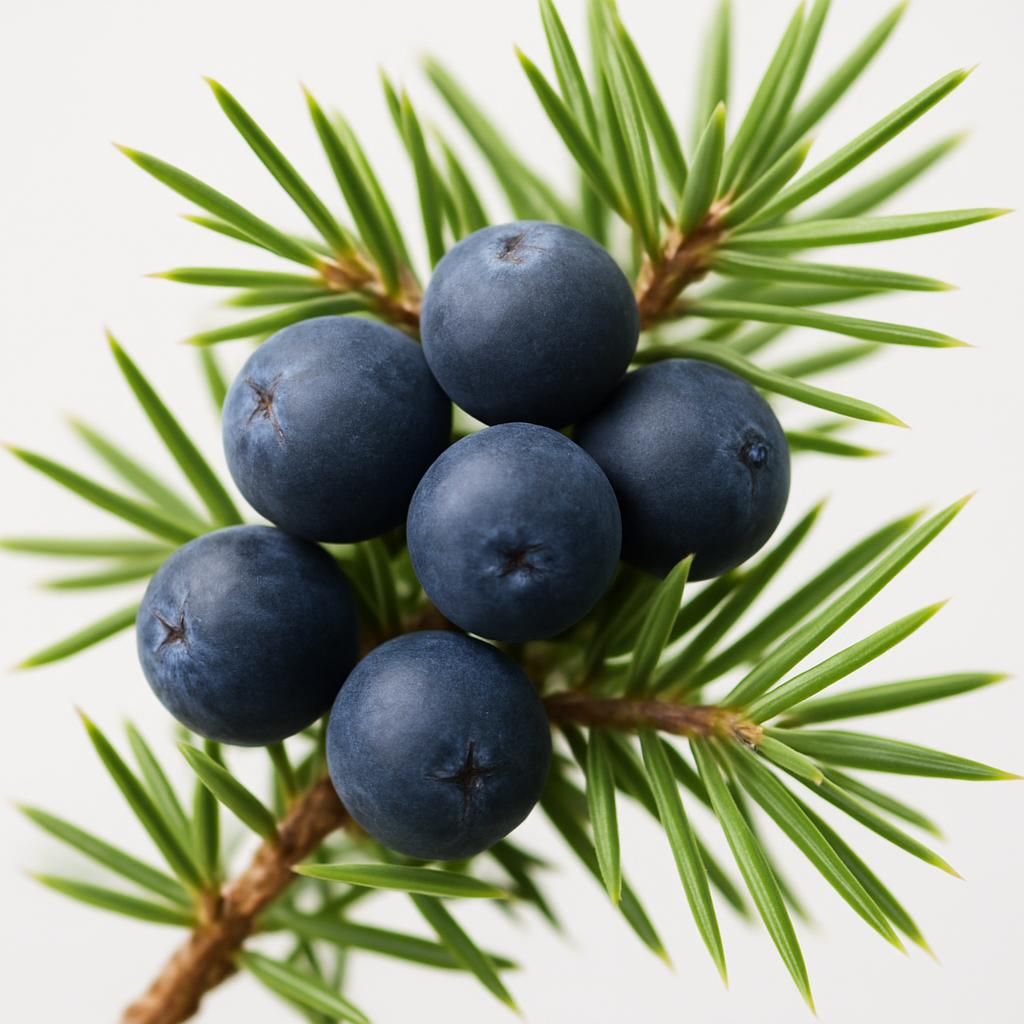
Introduction to Juniper Berry
Juniper berry (Juniperus communis) is a slow-growing evergreen shrub or small tree prized for its flavorful, resinous cones that serve as a key botanical in gin distillation, European cuisine, and traditional herbal medicine. Native to the northern hemisphere, the plant has been cultivated for centuries in Scandinavia, Central Europe, and parts of North America for both commercial and home-scale production. Unlike many fruiting shrubs, juniper berries are actually modified cones that take two to three years to mature, requiring patience and long-term orchard planning.
Commercial interest has grown steadily due to rising demand for craft spirits, natural flavorings, and essential oils. The berries contain potent terpenes, including alpha-pinene and myrcene, giving them their distinctive piney, citrus, and slightly peppery profile. In addition to culinary uses, juniper extracts are incorporated into cosmetics, aromatherapy products, and natural pest deterrents. Because the shrub is highly adaptable to poor soils and harsh climates, it serves as an excellent low-maintenance perennial crop for diversified farms seeking resilience.
Successful juniper berry production begins with proper site selection, soil preparation, and cultivar choice. Growers must account for the plant’s dioecious nature—male and female plants are required for pollination and berry set—making careful planning essential. With correct management, a well-established juniper planting can remain productive for 30–50 years or more, providing consistent annual harvests after the initial establishment period.
Botanical Profile of Juniper Berry
Juniperus communis belongs to the Cupressaceae family and is characterized by its needle-like leaves arranged in whorls of three, blue-green color, and distinctive aromatic resin. The plant exhibits a variable growth habit ranging from low prostrate forms to upright columnar shrubs reaching 3–6 meters in height. Female plants produce small, berry-like cones that start green and ripen to a dark blue-black over 18–36 months, while male plants produce inconspicuous pollen cones in spring.
The root system is fibrous and moderately deep, allowing the shrub to access water in drought-prone areas. Juniper berries are rich in essential oils, flavonoids, and tannins, contributing to both their culinary value and natural antimicrobial properties. Several subspecies and cultivars exist, including the upright ‘Hibernica’ and the more compact ‘Compressa’, each offering different growth rates and berry yields suitable for commercial or ornamental use.
Soil, pH, and Climate Requirements for Juniper Berry (MUST INCLUDE A MARKDOWN TABLE OF IDEAL CONDITIONS)
Juniper berry performs best in well-drained, sandy loam to gravelly soils with low fertility. The plant is highly intolerant of waterlogging and compacted conditions, which can quickly lead to root rot. Optimal pH ranges from slightly acidic to neutral, though it tolerates mildly alkaline conditions. Full sun exposure is critical for maximum berry production and essential oil concentration.
| Parameter | Ideal Range | Notes |
|---|---|---|
| Soil Type | Sandy loam, gravelly loam | Excellent drainage essential |
| Soil pH | 5.5–7.0 | Tolerates up to 8.0 |
| Temperature Range | −20°C to 30°C (−4°F to 86°F) | Hardy to USDA Zone 2 |
| Annual Rainfall | 400–800 mm | Supplemental irrigation in first 2 years |
| Sunlight | Full sun (6+ hours) | Essential for cone ripening |
| Elevation | 0–2000 m | Performs well on slopes |
Step-by-Step Planting & Propagation
Juniper berry is most reliably propagated from semi-hardwood cuttings taken in late summer or from nursery-grown container plants. Seed propagation is possible but slow, often requiring 12–24 months of cold stratification and resulting in variable offspring. For commercial plantings, select disease-free female cultivars and interplant one male for every 6–8 females to ensure adequate pollination.
Site preparation begins with soil testing and amendment to achieve the target pH and drainage. Plant in early spring or autumn at spacings of 1.5–2.5 meters between plants and 2.5–3.5 meters between rows, depending on cultivar vigor and machinery access. Dig planting holes twice the width of the root ball and backfill with native soil amended with compost if needed. Water thoroughly after planting and apply a 5–8 cm layer of organic mulch to conserve moisture and suppress weeds.
Care & Maintenance regimes for Juniper Berry (MUST INCLUDE A MARKDOWN TABLE OF WATER, FERTILIZER, AND PRUNING SCHEDULES)
Once established, juniper requires minimal intervention. Young plants benefit from regular watering during the first two growing seasons, while mature shrubs are highly drought tolerant. Fertilization should be conservative; excessive nitrogen promotes lush foliage at the expense of berry production. Annual pruning maintains shape, improves air circulation, and removes dead wood.
| Season | Watering Schedule | Fertilizer Application | Pruning Schedule |
|---|---|---|---|
| Spring | Deep soak every 10–14 days if dry | Light compost tea or balanced organic (5-5-5) at bud break | Remove dead/diseased wood; shape young plants |
| Summer | Minimal; only during extended drought | None unless deficiency symptoms appear | Light tip pruning to control spread |
| Autumn | Reduce watering as growth slows | Optional top-dressing of aged manure | Major structural pruning after harvest |
| Winter | None required | None | Avoid pruning in freezing temperatures |
Pests, Diseases & Organic Management
Juniper berry is relatively resistant to pests but can be affected by spider mites, scale insects, and juniper webworm in stressed plantings. Fungal issues such as Phytophthora root rot and cedar-apple rust may occur in poorly drained or high-humidity sites. Regular monitoring, proper spacing, and cultural practices form the foundation of organic management.
Encourage beneficial insects by planting flowering companions such as Thyme and Yarrow. Horticultural oils and neem-based sprays provide effective control of soft-bodied pests when applied early. Improve soil drainage and avoid overhead irrigation to minimize fungal pressure. In regions where cedar-apple rust is prevalent, maintain distance from alternate hosts such as Apple and crabapple trees.
Harvesting, Curing & Optimal Storage
Juniper berries are harvested in late autumn of their second or third year when they turn deep blue-black and are slightly soft to the touch. Hand-picking or gentle shaking onto tarps is standard for small-scale operations; mechanical shakers are used in larger plantings. Berries should be collected on dry days to prevent mold during curing.
Spread harvested berries in a single layer on screens in a well-ventilated, shaded area for 7–14 days until moisture content drops below 12%. Store cured berries in airtight containers away from light and heat. Properly dried berries retain flavor and aroma for up to two years. For essential oil extraction, process berries within 48 hours of harvest for maximum terpene yield.
Companion Planting for Juniper Berry
Juniper berry integrates well with Mediterranean herbs and other drought-tolerant species. Thyme and Rosemary planted nearby improve biodiversity and deter certain insect pests. Low-growing legumes such as Clover can be used as living mulch to fix nitrogen and reduce soil erosion on slopes. Avoid planting near Apple or hawthorn to minimize cedar-apple rust risk.
Tall companions like Elderberry provide partial wind protection for young juniper plantings while creating a diverse understory. In mixed orchards, juniper serves as a beneficial insect reservoir, supporting predatory mites and parasitic wasps that help control aphids on neighboring crops. Strategic placement along field borders also creates natural barriers against wind and soil loss.