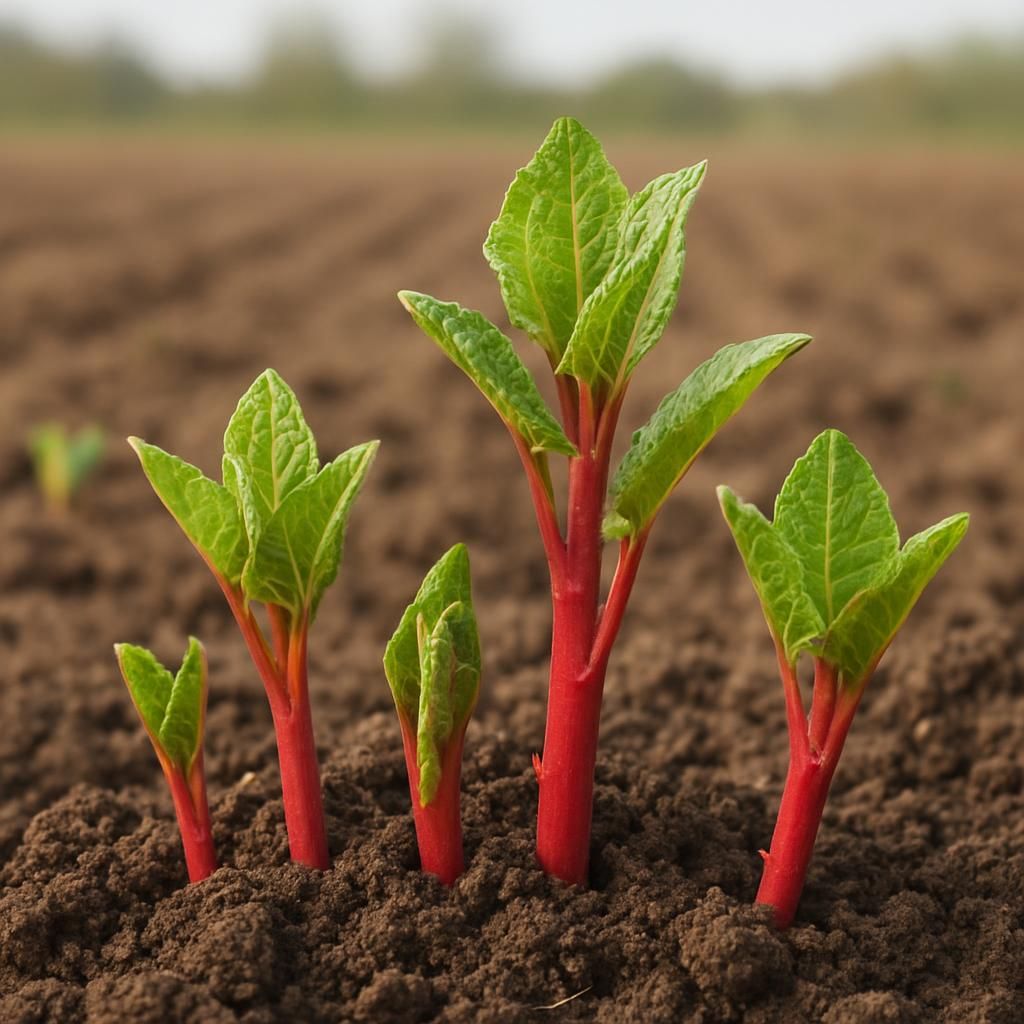
Introduction to Japanese Knotweed
Japanese Knotweed (Reynoutria japonica), also known as Asian knotweed or Japanese bamboo, is a tall, bamboo-like perennial in the Polygonaceae family. Originally introduced from East Asia as an ornamental and fodder crop, it has since naturalized across North America and Europe, where its aggressive rhizomes make it a regulated noxious weed in many jurisdictions. Despite its invasive reputation, the plant produces tender, asparagus-like shoots that are harvested for culinary use and rich in resveratrol and other bioactive compounds.
Commercial growers and foragers value knotweed for its rapid biomass production and minimal input requirements once established. However, successful cultivation demands strict containment protocols because even small rhizome fragments can regenerate into new colonies. This guide provides professional-grade, evidence-based practices for soil preparation, propagation, ongoing care, harvesting, and integrated pest management while highlighting legal and ecological responsibilities.
Botanical Profile of Japanese Knotweed
Reynoutria japonica is a dioecious, rhizomatous perennial that reaches 2–4 meters in height. Hollow, reddish-purple stems emerge in spring from extensive underground networks of fleshy rhizomes that can extend 7 meters horizontally and 3 meters deep. Alternate, broadly ovate leaves with truncate bases and reddish petioles create a dense canopy that shades out competing vegetation.
Flowering occurs in late summer to early autumn, producing erect panicles of small, creamy-white flowers that are primarily wind- or insect-pollinated. Seed viability is generally low in introduced ranges, but the plant spreads primarily through vegetative fragments. The extensive rhizome system stores large carbohydrate reserves, enabling rapid regrowth after cutting or herbicide application.
Soil, pH, and Climate Requirements for Japanese Knotweed
Japanese Knotweed tolerates a wide range of conditions but performs best in moist, fertile soils with good structure. It prefers full sun to partial shade and is hardy in USDA zones 4–9. The species is highly adaptable to compacted, poor, or disturbed soils, which contributes to its invasive success.
| Parameter | Ideal Range | Notes |
|---|---|---|
| Soil Type | Loamy to sandy loam | Tolerates clay if well-drained |
| Soil pH | 5.5–7.5 | Optimal growth at 6.0–7.0 |
| Temperature Range | 15–30 °C daytime | Frost hardy to –20 °C once established |
| Annual Rainfall | 600–1500 mm | Supplemental irrigation improves yields |
| Light | Full sun to partial shade | Higher shoot quality in full sun |
| Spacing | 1.5–2 m between plants | Wider spacing reduces rhizome competition |
Step-by-Step Planting & Propagation
- Site Selection and Containment: Choose a site with natural barriers such as concrete foundations or install 60–90 cm deep root barriers lined with heavy-duty geomembrane to prevent rhizome escape.
- Soil Preparation: Conduct a soil test and amend with 5–8 cm of well-rotted compost or aged manure. Incorporate 50–75 kg N/ha if soil tests indicate deficiency.
- Propagation Material: Use healthy, 10–15 cm rhizome sections with at least one visible bud collected in late winter or early spring. Each section should weigh 20–40 g.
- Planting Depth and Spacing: Plant rhizomes horizontally 5–10 cm deep at 1.5–2 m centers. Water thoroughly after planting to settle soil around the propagules.
- Initial Establishment: Maintain consistent moisture for the first 6–8 weeks. Shoots typically emerge within 14–21 days at soil temperatures above 10 °C.
Care & Maintenance regimes for Japanese Knotweed
Once established, Japanese Knotweed requires minimal inputs but benefits from targeted management to optimize shoot quality and control spread.
| Task | Schedule | Details |
|---|---|---|
| Watering | Weekly during first season | 25–40 mm/week; reduce after year two |
| Fertilizer | Early spring & post-harvest | 50 kg N/ha split applications; avoid excess |
| Pruning / Cutting | 2–3 times per season | Cut to 10 cm when stems reach 1.5 m |
Mulch with 10 cm of wood chips or straw after the first season to suppress weeds and conserve moisture. Monitor containment barriers annually and repair any breaches immediately.
Pests, Diseases & Organic Management
Japanese Knotweed is relatively pest-resistant due to high phenolic content, but occasional issues include Aphids, Spider Mites, and Slugs. Fungal leaf spots may appear in overly humid conditions.
Organic management begins with cultural practices: maintain airflow by proper spacing and remove senesced stems in autumn to reduce overwintering inoculum. Encourage beneficial insects such as lady beetles and lacewings. For severe aphid pressure, apply insecticidal soap or neem oil at labeled rates. Slugs are best controlled with iron-phosphate baits and habitat modification.
Harvesting, Curing & Optimal Storage
Harvest young shoots when they reach 15–25 cm in height, typically April–May in temperate climates. Cut stems just above soil level with clean, sharp shears. Remove leaves and peel any fibrous outer skin before use.
For fresh market, store shoots upright in perforated bags at 0–2 °C and 95 % relative humidity for up to 7 days. For longer storage, blanch shoots for 2 minutes, cool rapidly, and freeze at –18 °C. Dried knotweed powder can be produced by dehydrating at 40 °C until crisp, then grinding and storing in airtight containers away from light.
Companion Planting for Japanese Knotweed
Because of its aggressive growth, knotweed is rarely interplanted. However, strategic use of fast-growing annuals such as Clover or Marigold around containment edges can help monitor and suppress weed pressure while providing beneficial insect habitat. Avoid planting near high-value perennial crops such as Raspberry or Blackberry to prevent rhizome encroachment.
Responsible growers treat Japanese Knotweed as a managed resource rather than an unrestricted crop, combining containment infrastructure with regular monitoring and harvest to prevent ecological harm.