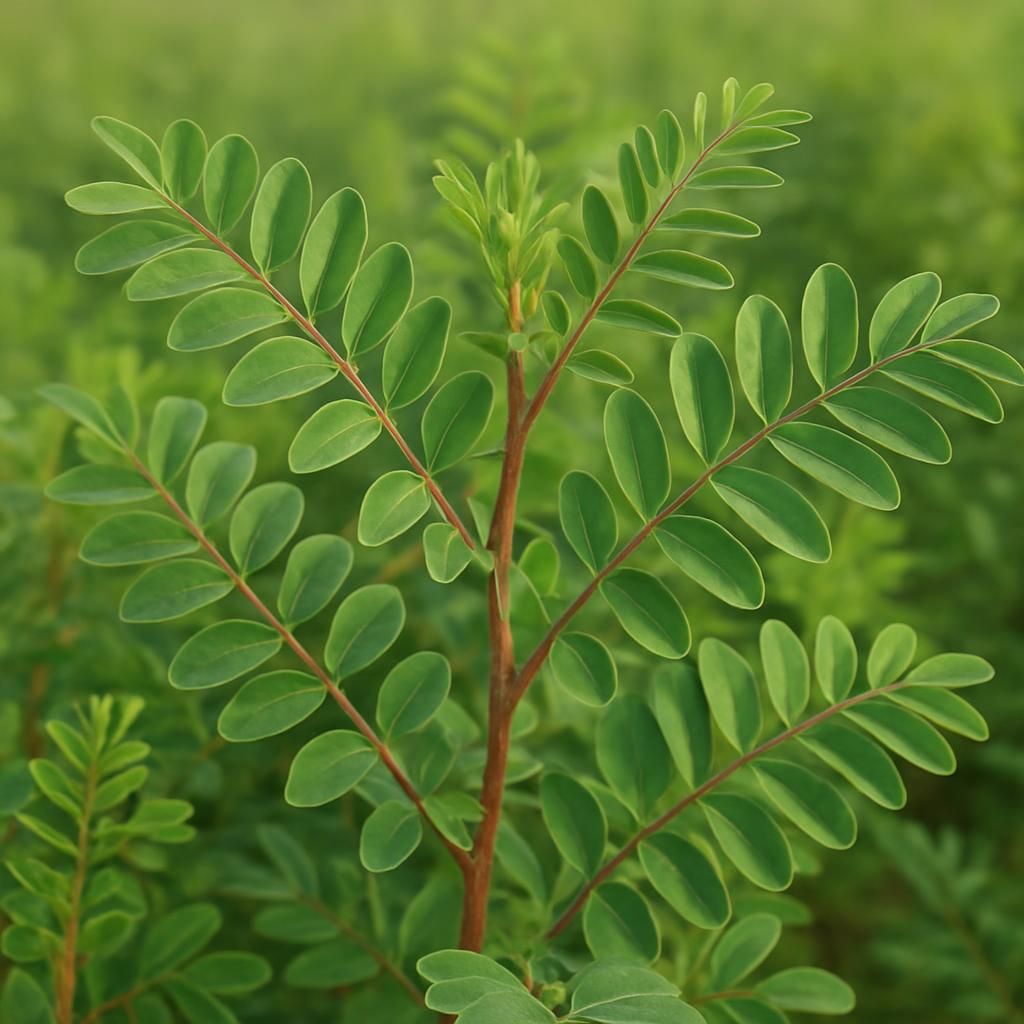
Introduction to Indigo Root
Indigo Root (Indigofera tinctoria) is one of the oldest known dye crops, historically prized across Asia, Africa, and the Americas for producing a deep, colorfast blue pigment. The plant’s leaves contain indican, a precursor that converts into indigo dye through fermentation and oxidation. Today, interest in natural dyes, sustainable textiles, and regenerative agriculture has renewed demand for high-quality Indigo Root cultivation.
Commercial growers value Indigo Root for its nitrogen-fixing ability, rapid biomass production, and relatively short 90–120 day harvest cycle. When managed correctly, the crop can yield 1.5–3 tons of fresh leaves per hectare per cutting, with multiple harvests possible in frost-free climates. Small farms often integrate Indigo Root into rotation systems to improve soil fertility while generating additional revenue from natural dye sales.
This comprehensive guide provides professional-grade, field-tested advice on every stage of production, from site selection and soil preparation through harvesting, curing, and storage. Emphasis is placed on organic and low-input methods that support both yield and long-term soil health.
Botanical Profile of Indigo Root
Indigofera tinctoria belongs to the Fabaceae family. It is a short-lived perennial shrub typically grown as an annual in temperate zones. Mature plants reach 1–2 meters in height with pinnately compound leaves of 7–13 leaflets. The plant produces small pink-to-purple pea-like flowers followed by slender pods containing 8–12 seeds.
The root system consists of a deep taproot and extensive lateral roots that host Rhizobium bacteria, enabling atmospheric nitrogen fixation. Leaves are harvested multiple times during the growing season because indican concentration peaks just before flowering. The plant tolerates moderate drought once established but performs best with consistent moisture.
Soil, pH, and Climate Requirements for Indigo Root
Indigo Root thrives in well-drained, fertile loams but adapts to sandy and clay-loam soils provided drainage is adequate. The crop prefers slightly acidic to neutral conditions and requires full sun for maximum leaf production and indican content.
| Parameter | Ideal Range | Notes |
|---|---|---|
| Soil Type | Loam to sandy loam | Avoid waterlogged or heavy clay soils |
| Soil pH | 5.5–7.0 | Optimal at 6.0–6.5 |
| Temperature Range | 20–35 °C (68–95 °F) | Frost sensitive below 10 °C |
| Annual Rainfall | 800–1500 mm | Supplemental irrigation needed in dry periods |
| Sunlight | Full sun (≥6 hours) | Partial shade reduces dye yield |
| Elevation | 0–1500 m | Performs well in lowland tropics |
Step-by-Step Planting & Propagation
- Site Selection: Choose a sunny, well-drained field with previous legume history to reduce initial nitrogen needs.
- Soil Preparation: Incorporate 10–15 tons/ha well-rotted compost or aged manure. Perform a soil test and adjust pH to 6.0–6.5 with lime if necessary.
- Seed Treatment: Scarify seeds by soaking in warm water for 12 hours or lightly abrade the seed coat to improve germination.
- Inoculation: Treat seeds with Rhizobium specific to Indigofera species immediately before sowing.
- Sowing: Plant seeds 1–2 cm deep in rows 45–60 cm apart with 15–20 cm between plants. Sow when soil temperature reaches 18 °C or higher.
- Transplant Option: Start seedlings in nursery trays 4–6 weeks before field transplanting for earlier first harvest.
- Initial Irrigation: Provide light, frequent watering to maintain even moisture until seedlings are established.
Care & Maintenance regimes for Indigo Root
Consistent care maximizes leaf biomass and dye quality. Monitor soil moisture, fertility, and canopy density throughout the season.
| Task | Schedule | Details |
|---|---|---|
| Watering | Every 5–7 days or when top 5 cm dries | Maintain 60–70% field capacity; reduce before harvest to concentrate indican |
| Fertilizer | At planting + 30 days | Apply 20–30 kg N/ha at planting; side-dress with compost tea at 30 days |
| Pruning | After each harvest | Cut stems 20–30 cm above ground; remove flowering shoots to prolong vegetative growth |
Pests, Diseases & Organic Management
Indigo Root is relatively pest-resistant but can be affected by aphids, Spider Mites, and leaf-feeding caterpillars. Root rot may occur in poorly drained soils. Use neem oil or insecticidal soap for soft-bodied insects and ensure proper drainage to prevent fungal issues. Rotate with non-legume crops every 2–3 seasons to break disease cycles.
Harvesting, Curing & Optimal Storage
Harvest leaves when plants reach 60–90 cm and just before flowering for highest indican levels. Cut stems early morning, bundle loosely, and ferment in water for 12–24 hours. Oxidize the resulting solution by vigorous aeration until indigo precipitates. Dry the blue paste and store in airtight, light-proof containers at 15–20 °C for up to 24 months.
Companion Planting for Indigo Root
Pair Indigo Root with Tomato and Thai Basil to deter pests and improve biodiversity. Avoid planting near alliums that may inhibit Rhizobium activity. Include Nasturtium as a trap crop for aphids. Follow with Clover cover crops after final harvest to maintain soil nitrogen.
For further reading on small-farm soil strategies, see The Hidden Power of Mulching: 8 Organic Strategies to Transform Small Farm Soil.