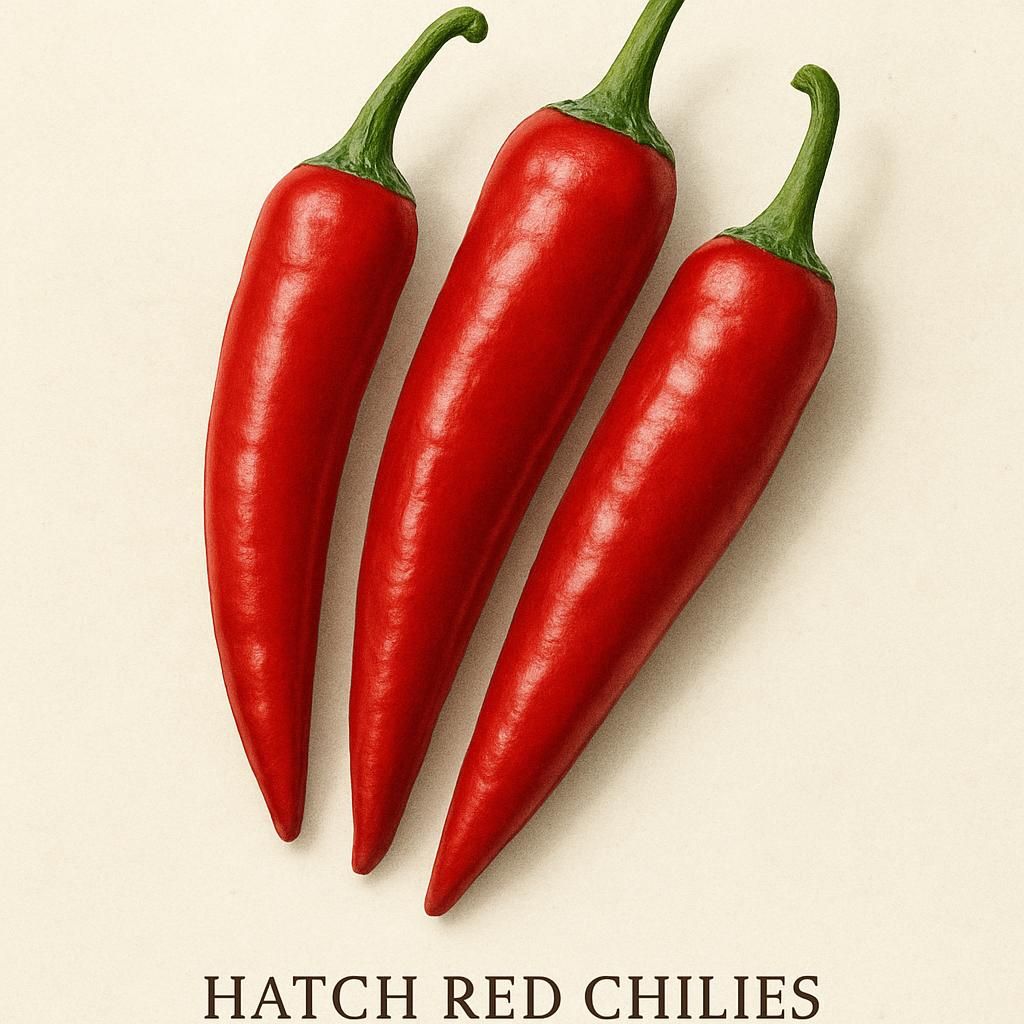
Introduction to Hatch Red Chili
Hatch Red Chili is a cultivar group of the species Capsicum annuum, which gained its popularity from the Hatch Valley, New Mexico. This chili is esteemed for its versatile use in various culinary dishes, contributing both a distinctive smoky flavor and a manageable heat level. Typically harvested in late summer, these chilies transition from green to a vibrant red as they mature, unlocking deeper flavors.
Botanical Profile of Hatch Red Chili
Hatch Red Chili belongs to the Solanaceae family. It reaches heights ranging from 18 to 24 inches (45 to 60 cm) and features medium-sized, glossy green leaves. Blooming white flowers lead to elongated fruits that turn red upon full maturation. The chili’s size can vary, but they are generally about 6 to 8 inches long.
Soil, pH, and Climate Requirements for Hatch Red Chili
Success in growing Hatch Red Chili begins with understanding its soil and climatic needs.
| Factor | Ideal Condition |
|---|---|
| Soil Type | Well-draining sandy loam |
| pH Level | 6.0 - 7.0 |
| Temperature | 70-80°F (21-27°C) |
| Sunlight | Full sun, at least 6-8 hours |
| Rainfall | Moderate; avoid overwatering |
Hatch Red Chilies require at least 150 frost-free days, making them ideally suited to regions with warm growing seasons.
Step-by-Step Planting & Propagation
- Seed Starting: Begin seeds indoors 6-8 weeks before the last frost date. Use a seed-starting mix, and keep the seeds at a consistent temperature of 75-85°F (24-29°C).
- Transplanting: Once the seedlings have 2-3 true leaves, harden them off by gradually exposing them to outdoor conditions. Transplant outdoors when soil temps exceed 60°F (16°C).
- Spacing: Provide each plant space to grow with intervals of at least 18 inches apart, while rows should be spaced 24 inches apart.
Care & Maintenance Regimes for Hatch Red Chili
A regular maintenance protocol ensures robust plant health and optimal yield.
| Task | Schedule |
|---|---|
| Watering | 1-2 inches per week |
| Fertilizing | Bi-weekly with a balanced NPK |
| Pruning | Trim excess foliage bi-monthly |
Watering
Hatch Red Chili plants thrive on consistent moisture levels, especially during flowering and fruiting phases. Avoid waterlogged conditions, which could induce root rot.
Fertilizing
Utilize a balanced fertilizer, such as 10-10-10, every couple of weeks to support robust growth.
Pruning
Regularly remove non-productive branches and leaves to improve air circulation and encourage growth in fruiting branches.
Pests, Diseases & Organic Management
Hatch Red Chilies are susceptible to certain pests and diseases, including Spider Mites and Aphids. Use neem oil or insecticidal soap as organic management options. Keep an eye out for leaf spots and fungal diseases, which are manageable with copper-based fungicides and proper sanitary practices. For further strategies, explore our 7 Summer Pest Traps That Sabotage Small Farm Harvests.
Harvesting, Curing & Optimal Storage
Harvesting
Harvesting begins once the chilies reach their full red color. Clip them off instead of pulling to avoid damaging the plant.
Curing
To dry, spread peppers in a single layer in a warm, dry location away from direct sunlight for 1-2 weeks.
Storage
Properly dried Hatch Red Chilies can be stored in airtight containers for several months in a cool, dark place.
Companion Planting for Hatch Red Chili
Companion planting can significantly benefit your Hatch Red Chili crop. Consider incorporating:
- Basil: Repels flies and mosquitoes.
- Onion: Deters ants and aphids.
- Marigold: A natural repellent for nematodes and a variety of insect pests.
Avoid planting near Fennel as it can inhibit chili plant growth.
Expanding your understanding of companion planting can significantly boost plant resilience and productivity. Review our article on Summer Companion Planting: 10 Organic Pairings to Boost Small Farm Resilience.