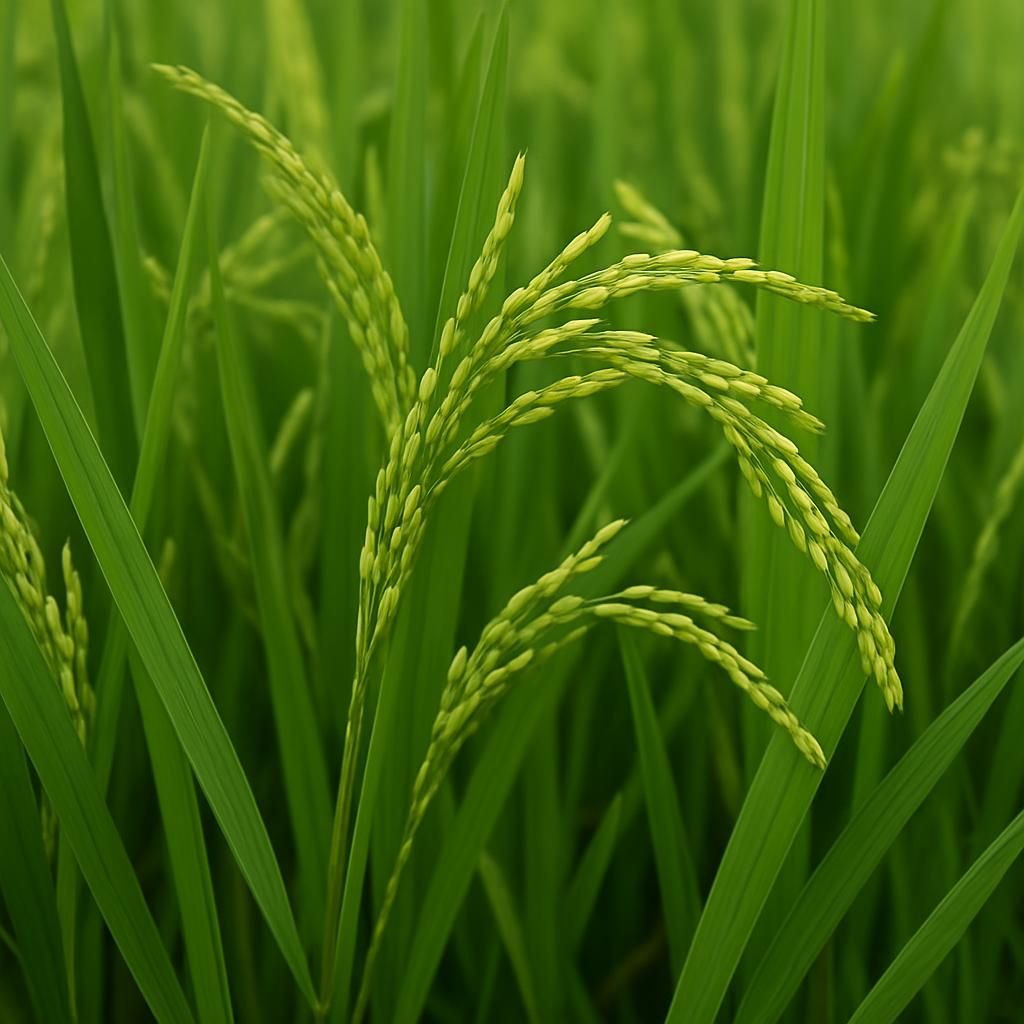
Introduction to Doongara Rice
Doongara Rice is a specially developed variety of long-grain rice known for its unique attributes of being low in Glycaemic Index (GI) yet maintaining a rich, nutty flavor and a fluffy texture when cooked. This makes it a favored choice for health-conscious consumers and culinary uses that demand a non-sticky rice texture.
Botanical Profile of Doongara Rice
- Botanical name: Oryza sativa
- Family: Poaceae
Doongara Rice belongs to the same family as many other common rice varieties (Rice). This particular type has been developed to address dietary needs while still maintaining ideal culinary properties.
Soil, pH, and Climate Requirements for Doongara Rice
Doongara Rice thrives under specific soil and climatic conditions. It is vital to ensure these factors are met to optimize growth and yield.
| Element | Ideal Conditions |
|---|---|
| Soil Type | Well-drained, loamy soils |
| Soil pH | 5.5 - 6.5 |
| Temperature | 25°C - 35°C |
| Rainfall | 1500 - 2000 mm annually |
| Sunlight | Full sunlight |
Step-by-Step Planting & Propagation
- Seed Selection: Use certified seeds to ensure high-quality yield.
- Preparation: Prepare the field by plowing and leveling it to achieve uniform soil texture.
- Sowing: Sow seeds directly into the fields after soaking them for 24 hours to ensure quicker germination.
- Spacing: Maintain a plant spacing of 20-25 cm between rows.
- Water Management: Implement a systematic irrigation system to keep fields submerged with water 5 cm deep.
Care & Maintenance Regimes for Doongara Rice
Proper care is critical for ensuring high yields of Doongara Rice. Regular maintenance regimes must be adhered to diligently.
| Regime | Schedule/Details |
|---|---|
| Watering | Weekly, keeping soil submerged during growth |
| Fertilizer | Apply nitrogen-rich fertilizer every 3 weeks |
| Pruning | Not applicable |
Pests, Diseases & Organic Management
Some of the common pests affecting Doongara Rice include Spider Mites and fungal diseases like leaf blight. Employing organic management practices such as crop rotation, using neem oil, and integrating pest management helps maintain crop health. Further details about pest and disease management can be explored in the blog, Crop Diseases Under the Microscope: 9 Organic Fixes for Small Farm Resilience.
Harvesting, Curing & Optimal Storage
Doongara Rice is harvested when grains mature to a golden brown. The ideal time is typically 3-4 months post-sowing. Following harvest, rice should be cured or dried properly to reduce moisture content before storage. Store in cool and dry places in airtight containers to prevent spoilage and insect infestation.
Companion Planting for Doongara Rice
Effective companion planting can improve yields and pest resistance. Ideal companions include Thai Basil and Lychee, which can both repel harmful insects and enhance the microenvironment for rice cultivation.
For more information on optimizing planting practices, you can refer to the blog Summer Companion Planting: 10 Organic Pairings to Boost Small Farm Resilience.