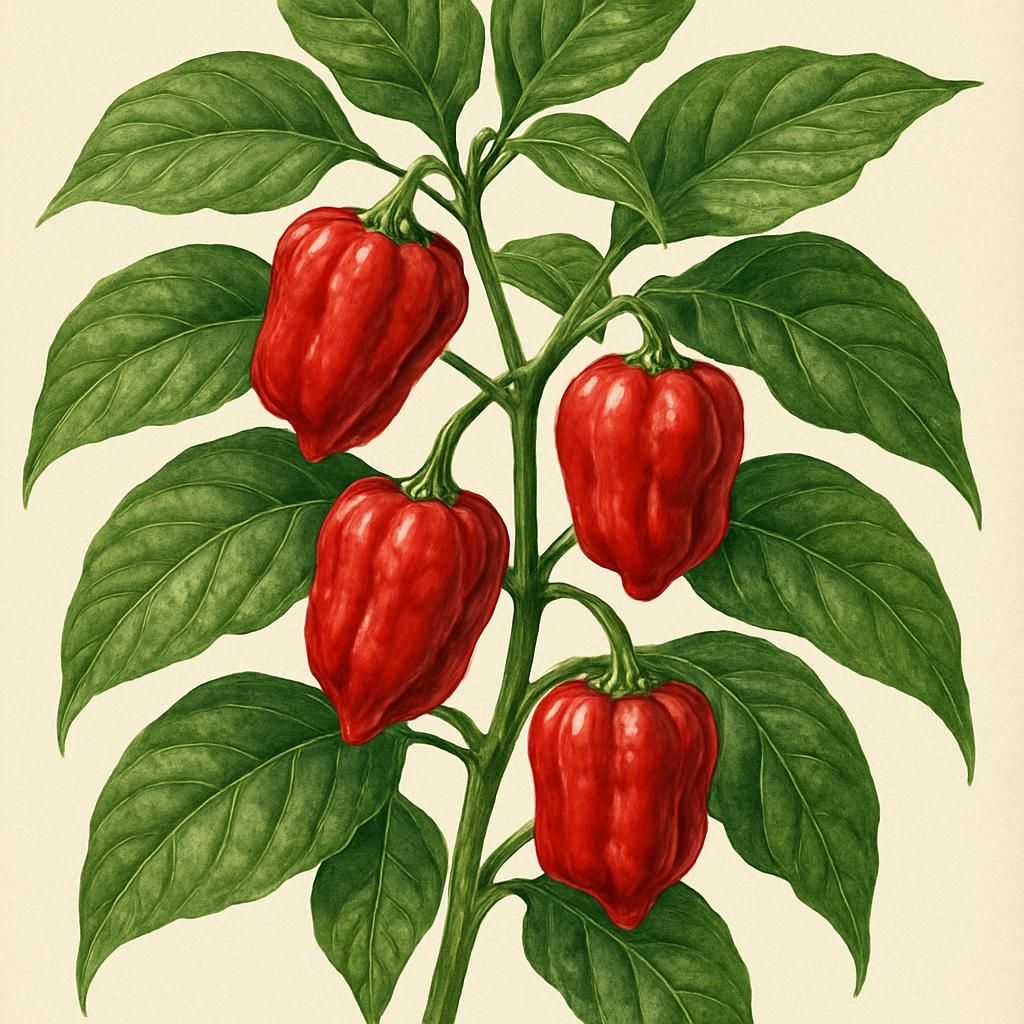
Introduction to Caribbean Red Habanero
The Caribbean Red Habanero, a variant of the habanero pepper, is celebrated for its scorching heat level and distinct, fruity undertones. Originating from Central America, this pepper is a staple in many spicy dishes worldwide. With a Scoville Heat Unit (SHU) ranging between 300,000 and 445,000, it is considerably hotter than the traditional orange habanero (Chili Pepper).
Botanical Profile of Caribbean Red Habanero
The Caribbean Red Habanero belongs to the species Capsicum chinense. This plant thrives in tropical climates and exhibits a bushy growth habit, reaching heights of 24 to 36 inches. The pepper fruits are small, red, and lantern-shaped, reaching maturity approximately 100 days after planting.
Soil, pH, and Climate Requirements for Caribbean Red Habanero
The optimal growth of Caribbean Red Habanero depends heavily on soil type, pH, and climate conditions. The following table provides a concise guide to these requirements:
| Factor | Optimal Condition |
|---|---|
| Soil Type | Well-drained, loamy soil |
| Soil pH | 6.0 - 6.8 |
| Temperature | 75°F - 95°F (24°C - 35°C) |
| Sunlight | Full sun, at least 6-8 hours daily |
Step-by-Step Planting & Propagation
- Seed Selection: Choose high-quality seeds from a reputable supplier. Consider starting seeds indoors 6-8 weeks before the last frost date.
- Germination: Plant the seeds 1/4 inch deep in a seed-starting mix. Maintain a temperature of 80°F (27°C) with a constant moisture level.
- Transplanting: Once seedlings are 6-8 inches tall and have at least two sets of true leaves, transplant them outdoors after the last frost.
- Spacing: Space the plants 18-24 inches apart in rows 24-36 inches apart to allow adequate airflow.
Care & Maintenance Regimes for Caribbean Red Habanero
Maintaining a consistent care schedule is crucial for healthy plants and high yields. Below is a recommended regimen:
| Task | Frequency | Details |
|---|---|---|
| Watering | 1-2 times weekly | Ensure 1-2 inches of water per week, more during hot spells. |
| Fertilizing | Bi-weekly | Use a balanced fertilizer (10-10-10) during the growing season. |
| Pruning | Monthly | Remove dead or overlapping branches to promote air circulation. |
Pests, Diseases & Organic Management
The Caribbean Red Habanero is susceptible to various pests and diseases. Key threats include Spider Mites and Aphids. Implement organic pest management strategies like neem oil applications and introducing beneficial insects. Diseases such as Verticillium wilt and Phytophthora root and crown rot can be managed by ensuring good drainage and rotating crops.
Harvesting, Curing & Optimal Storage
Harvest the fruits when they are bright red and firm. Use scissors or a knife to cut the peppers from the plant to avoid damaging the branches. Cure the harvested peppers in a well-ventilated area for several days to enhance flavor. Store them in airtight containers in a cool, dry place, or pickle them for longer preservation.
Companion Planting for Caribbean Red Habanero
Companion planting can enhance growth and deter pests. Consider pairing with Basil, which can repel pests and enhance pepper flavor. Avoid planting near Fennel, which can impede growth. For more companion planting insights, check the Summer Companion Planting: 10 Organic Pairings to Boost Small Farm Resilience blog post.