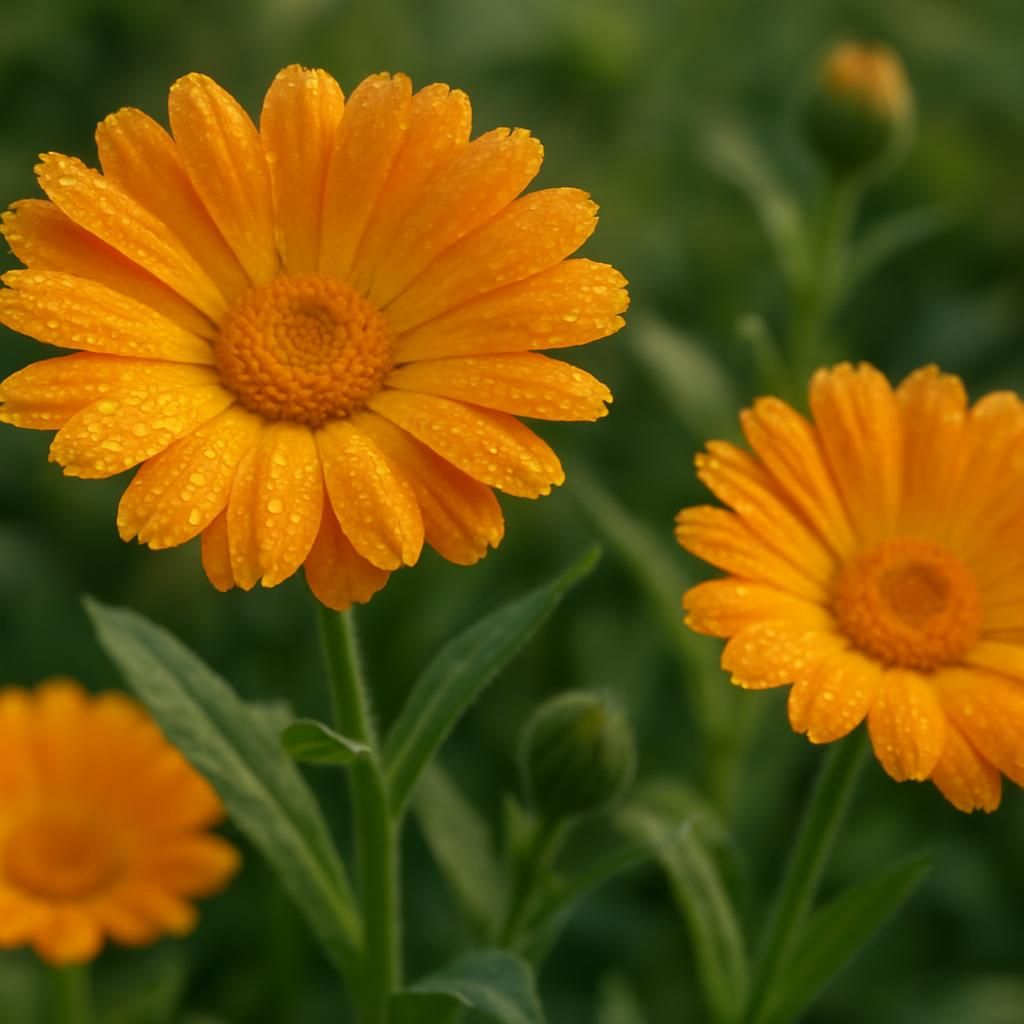
Introduction to Calendula
Calendula (Calendula officinalis) is a vibrant, easy-to-grow annual flower that serves as both a medicinal herb and a functional crop in sustainable agriculture. Known commonly as pot marigold, it produces cheerful orange and yellow daisy-like blooms from spring through fall when regularly harvested. The plant has a long history of use in European folk medicine and modern herbalism for its anti-inflammatory, antimicrobial, and wound-healing properties. In commercial and small-farm settings, calendula is valued for its quick turnaround, high-value dried petals, and ability to attract beneficial insects while suppressing certain pests.
Beyond its herbal applications, calendula functions as an excellent companion plant that supports pollinators and improves biodiversity in mixed plantings. Its shallow root system and rapid growth cycle allow it to fit into succession planting schedules between slower-maturing crops. Farmers and gardeners appreciate its tolerance for cooler temperatures and its capacity to produce usable biomass even in marginal soils when properly managed.
Botanical Profile of Calendula
Calendula officinalis belongs to the Asteraceae family and is native to the Mediterranean region and parts of North Africa. The plant typically reaches 12–24 inches in height with branched, slightly hairy stems and oblong to lance-shaped leaves that emit a mild resinous scent when crushed. Flowers consist of ray florets surrounding a central disk, ranging in color from pale yellow to deep orange, with some varieties displaying double blooms.
The species is diploid (2n=32) and predominantly self-fertile, though cross-pollination by bees can occur. Calendula produces achene-type seeds that are curved, rough-textured, and light brown to tan. The plant exhibits a relatively short life cycle of 50–70 days from sowing to first flower, with continuous blooming possible under regular deadheading. Its fast growth and prolific seed production make it prone to naturalizing in favorable conditions.
Soil, pH, and Climate Requirements for Calendula
Calendula performs best in fertile, well-drained loam or sandy loam soils with good organic matter content. It tolerates a wide pH range but prefers slightly acidic to neutral conditions. The crop is cool-season hardy and can withstand light frosts, making it suitable for early spring and fall plantings in temperate climates.
| Parameter | Ideal Range | Notes |
|---|---|---|
| Soil Type | Loam or sandy loam | Well-drained to prevent root rot |
| Soil pH | 6.0–7.0 | Tolerates 5.5–7.5; avoid strongly alkaline |
| Temperature (Day) | 15–24 °C (59–75 °F) | Optimal flowering; tolerates down to -5 °C |
| Temperature (Night) | 8–15 °C (46–59 °F) | Cooler nights promote compact growth |
| Sunlight | Full sun (6+ hours) | Partial shade reduces bloom quantity |
| Spacing | 20–30 cm (8–12 in) | Rows 30–45 cm apart |
| Soil Moisture | Moderate, consistent | Avoid waterlogging |
Step-by-Step Planting & Propagation
Calendula is most commonly direct-seeded, though it can be started indoors 4–6 weeks before the last frost for earlier blooms. Begin by preparing a weed-free seedbed and incorporating 2–3 inches of well-rotted compost. Sow seeds ¼ inch deep and 1–2 inches apart, thinning seedlings to final spacing once they reach 4 inches tall. Germination occurs in 7–14 days at soil temperatures of 15–20 °C.
For continuous harvest, succession sow every 3–4 weeks until midsummer. In regions with hot summers, provide afternoon shade or plant in fall for winter production in mild climates. Seeds remain viable for 3–5 years when stored cool and dry. Transplants should be hardened off for 7–10 days before moving outdoors.
Care & Maintenance regimes for Calendula
Calendula requires minimal inputs once established but benefits from consistent moisture and periodic nutrient applications. Mulching with straw or shredded leaves helps retain soil moisture and suppress weeds. Regular harvesting of flowers encourages bushier growth and prolonged blooming. Monitor for signs of nutrient deficiency, particularly nitrogen, which can cause pale foliage and reduced flower size.
| Task | Schedule | Method & Rate |
|---|---|---|
| Watering | Every 3–5 days or when top inch dry | Deep watering to 6 inches; avoid overhead spray |
| Fertilizer | At planting and every 4–6 weeks | Side-dress with ½ cup balanced organic fertilizer (4-4-4) per 10 ft row or compost tea |
| Pruning | Weekly during bloom | Deadhead spent flowers; pinch tips at 6–8 inches for branching |
Pests, Diseases & Organic Management
Calendula is generally resistant to many common garden pests but can be affected by aphids, spider mites, and slugs in humid conditions. Powdery mildew and botrytis may appear during prolonged wet weather. Cultural controls such as proper spacing, good airflow, and morning watering reduce disease pressure. Beneficial insects including lady beetles and lacewings provide natural aphid suppression.
For organic management, apply insecticidal soap or neem oil for soft-bodied pests and use diatomaceous earth around plant bases for slugs. Remove and destroy infected foliage promptly. Crop rotation and avoiding overhead irrigation help prevent fungal issues. Calendula can serve as a trap crop for certain pests when planted near more valuable vegetables.
Harvesting, Curing & Optimal Storage
Harvest calendula flowers in the morning after dew has dried, selecting fully open blooms with vibrant color. Cut stems just below the flower head or pinch individual petals for high-volume drying. Frequent harvesting (every 2–3 days) maximizes yield and plant longevity. Expect 0.5–1.5 kg of fresh flowers per 10 m² over a season.
Dry flowers on screens in a warm, shaded area with good airflow for 3–7 days until crisp. Store dried petals in airtight glass jars away from light and heat for up to one year. For culinary or medicinal use, label batches by harvest date and variety. Fresh flowers can be used immediately in salads or infused into oils.
Companion Planting for Calendula
Calendula pairs well with tomatoes, cucumber, and brassicas by repelling nematodes and attracting pollinators. It also benefits from being planted near basil and nasturtium to create a diverse insectary strip. Avoid planting near fennel, which may inhibit growth. In mixed vegetable beds, calendula acts as a living mulch and provides habitat for predatory insects throughout the growing season.
Stop Treating Tomato Blight Like a Spray Problem: Here Is What Works Better