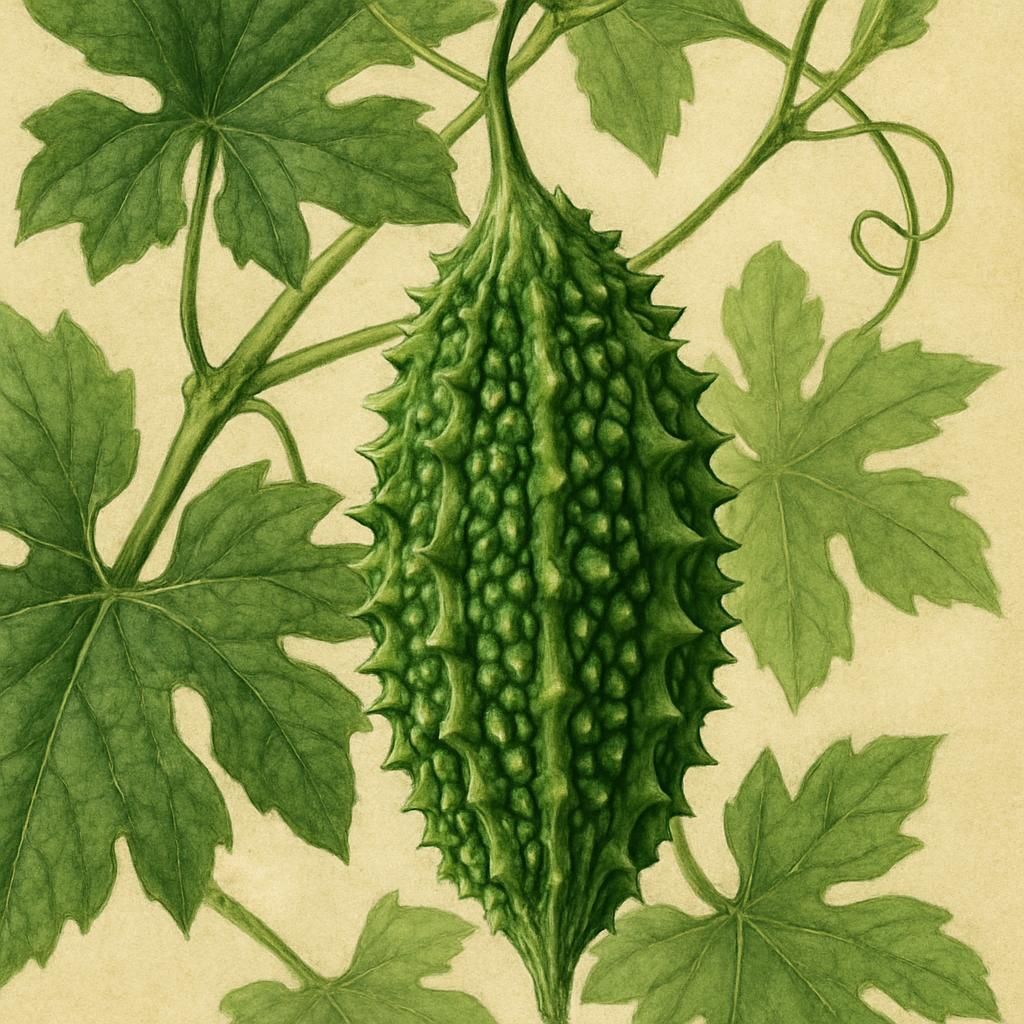
Introduction to Bitter Melon (Indian - Rough)
Bitter Melon, scientifically known as Momordica charantia, is a part of the Cucurbitaceae family. This tropical and subtropical vine is famous in many Asian cuisines for its distinctively bitter fruit. Apart from its culinary uses, bitter melon is celebrated for its wide range of health benefits and is often used in traditional medicine practices across Asia. In particular, the Indian variety, known for its rough, spiky appearance and deep green color, is popular in Indian home gardens and farms.
Botanical Profile of Bitter Melon (Indian - Rough)
The Bitter Melon is an annual climbing vine, which can extend up to 5 meters in length. Its grow pattern includes climbing tendrils and deeply lobed leaves that provide a lush, verdant backdrop to its brightly colored fruit. The fruit is oblong with a bumpy texture, turning from green to orange when ripe. It belongs to:
- Family: Cucurbitaceae
- Scientific Name: Momordica charantia
- Common Names: Bitter Gourd, Karela (India), Ampalaya (Philippines)
This plant has male and female flowers, aiding in a heterosexual reproductive cycle which is primarily pollinated by bees.
Soil, pH, and Climate Requirements for Bitter Melon (Indian - Rough)
Bitter Melon thrives in tropical climates with warm temperatures and high humidity. It requires well-draining soil enriched with organic matter for optimal growth.
| Parameter | Ideal Conditions |
|---|---|
| Climate | Tropical, Subtropical |
| Temperature Range | 24°C - 31°C (75°F - 87°F) |
| Rainfall | Consistent rainfall of 1500 - 2000 mm; drought-resistant |
| Soil Type | Loamy, Sandy Loam |
| Soil pH | 6.0 - 7.0 |
Proper field preparation, with an emphasis on well-draining soil textures, is crucial to prevent root diseases.
Step-by-Step Planting & Propagation
- Seed Selection: Choose disease-free seeds from reputable suppliers. Soak seeds overnight in warm water to improve germination rates.
- Site Preparation: Prepare raised beds or mounds to enhance drainage. Incorporate well-rotted compost to improve soil fertility.
- Sowing Seeds: Sow seeds at a depth of about 2.5 cm (1 inch) when the soil warms to 21°C (70°F).
- Spacing: Ensure adequate spacing of 30-50 cm (12-20 inches) between plants and 180 cm (6 feet) between rows.
- Trellising: Install a trellising system as plants begin to vine, which supports air circulation and fruit development.
Care & Maintenance regimes for Bitter Melon (Indian - Rough)
Ensuring proper care and maintenance will lead to a productive harvest.
| Aspect | Schedule/Details |
|---|---|
| Watering | Water deeply 1-2 times a week; increase during flowering and fruiting stages |
| Fertilization | Apply a balanced 10-10-10 NPK fertilizer every 30 days until flowering begins |
| Pruning | Regularly prune to remove dead leaves and encourage air circulation |
Monitoring for insects and nutrient deficiencies will ensure healthy growth. Incorporate organic mulch around plants to retain moisture and suppress weeds. More on organic pest management can be read here.
Pests, Diseases & Organic Management
Bitter Melon is susceptible to pests such as Spider Mites, aphids, and cutworms. Common diseases include powdery mildew and cucumber mosaic virus. Effective management includes:
- Companion Planting: Encourage beneficial insects by planting Nasturtium and Marigold.
- Neem Oil: Use as a natural insecticide spray to deter pests.
- Rotational Cropping: Avoid planting in the same location continually to reduce disease incidence.
Harvesting, Curing & Optimal Storage
Bitter Melons are typically ready to harvest 12-16 weeks after planting when the fruits are tender green. To harvest:
- Use sharp scissors or knives to prevent vine damage.
- Store at 10°C (50°F) in a cool, dry place for up to 3 weeks.
Avoid stacking fruits to prevent bruising. Consider extending shelf life by refrigerating individual fruits wrapped in a perforated plastic bag.
Companion Planting for Bitter Melon (Indian - Rough)
Companion planting maximizes space and pest control. Consider the following companions:
Through careful planning of the planting layout, the benefits of companion planting are increased yields and healthier plants, while reducing pest risk. More insights on effective companion planting can be found here.