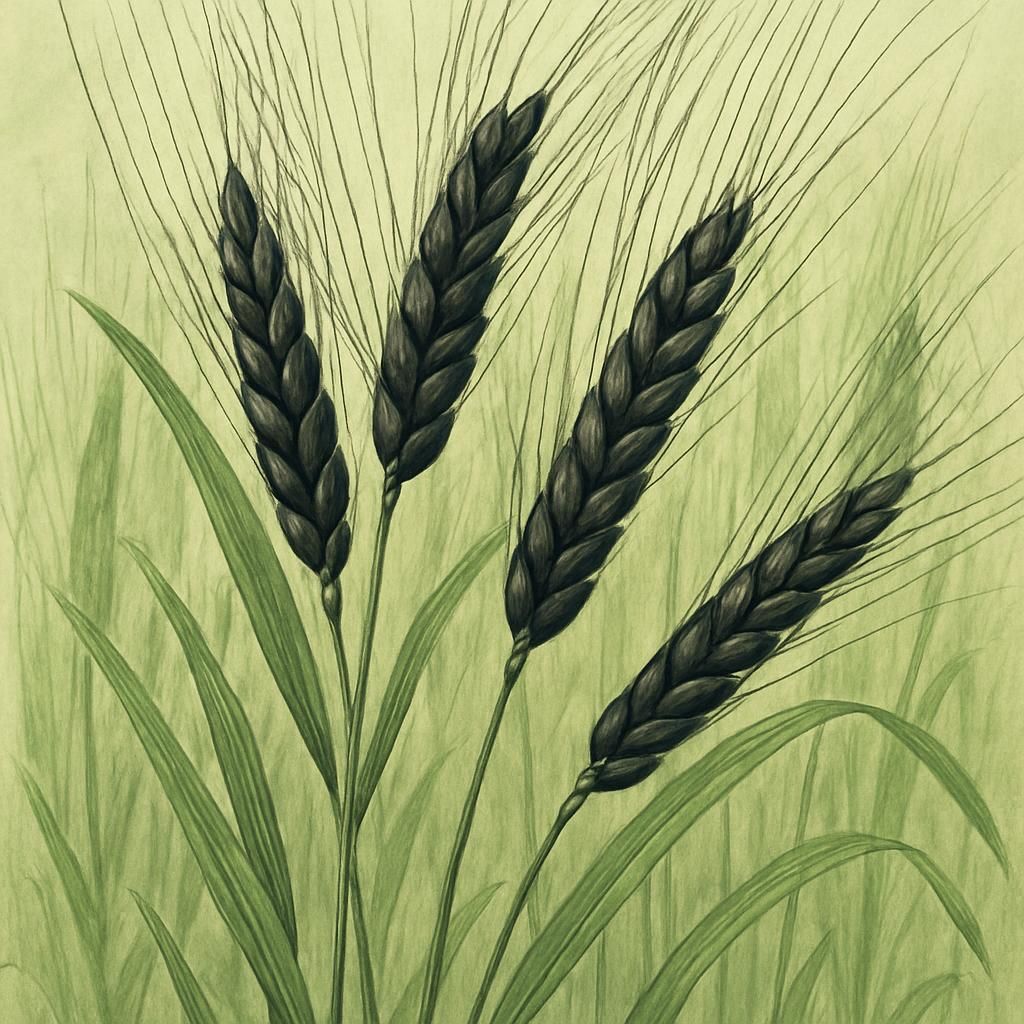
Introduction to Barley (Black Nile)
Barley (Black Nile) is an ancient grain prized for its adaptability, nutritional benefits, and distinctive black grain aesthetics. Originally cultivated along the Nile, this barley variety has been embraced by organic farmers and brewers globally, thanks to its hearty growth traits and rich malting qualities.
Botanical Profile of Barley (Black Nile)
Black Nile barley is a cereal grain in the grass family that exhibits a distinct black hue in its kernels. The plant is a hardy annual, reaching heights of 30 to 48 inches, characterized by its slender leaves and tall, erect stems. The ears are tightly packed with grains, making it an ideal crop for areas with tough growing conditions.
Soil, pH, and Climate Requirements for Barley (Black Nile)
Black Nile barley thrives in cooler temperate climates but demonstrates remarkable resilience to various environmental conditions. The crop demands well-drained loam or sandy loam soils with optimal fertility levels.
| Aspect | Ideal Conditions |
|---|---|
| Soil Type | Well-drained loam or sandy loam |
| Soil pH | 6.0 - 7.5 |
| Temperature Range | 10°C - 24°C |
| Rainfall | 12 - 15 inches annually |
Step-by-Step Planting & Propagation
Site Preparation: Begin with preparing the field by tilling the land to create a fine tilth. Remove any weeds and ensure sufficient drainage. It’s advisable to conduct a soil test to determine nutrient levels.
Sowing: Ideally, sow seeds in early spring as soil temperatures cool down. Broadcast the seeds or use a seed drill to plant them at a depth of 1-2 inches, ensuring rows are spaced 18-24 inches apart.
Germination: Barley seeds will germinate within 5-10 days under optimal conditions. Thin the seedlings to maintain spacing if necessary to prevent competition.
Care & Maintenance Regimes for Barley (Black Nile)
Proper care will ensure healthy growth and maximum yield.
| Task | Schedule |
|---|---|
| Watering | Twice a week during dry periods |
| Fertilizing | Once during planting with balanced NPK fertilizer; additional nitrogen if required post germination |
| Pruning | N/A |
Maintain weeds by employing mechanical or manual weeding techniques, as weeds can hinder grain development by competing for nutrients.
Pests, Diseases & Organic Management
Common threats to Black Nile barley include Spider Mites and aphids, leading to Barley yellow dwarf virus. Employ organic methods such as introducing ladybugs and maintaining optimal crop conditions to limit infestations. Also, cultural practices like crop rotation and using resistant strains can help keep diseases at bay.
Harvesting, Curing & Optimal Storage
Harvest the crop when its husks turn golden yellow and grains are hard but not brittle. This typically occurs about 60-90 days from planting. Use a combine harvester for efficient large-scale harvest. Post-harvest, cure grains in a well-ventilated dry area to reduce moisture content below 14% to prevent post-harvest pests like Weevils. Store cured barley in airtight bins.
Companion Planting for Barley (Black Nile)
To enhance growing success, plant Black Nile barley with compatible crops like peas and Clover which enhance soil nitrogen levels. Additionally, rotate with Corn or Wheat for soil health.
For more insight into implementing companion planting strategies, explore our blog on Spring Companion Planting: 8 Organic Pairings to Maximize Small Farm Yields.
Related Entries:
For additional knowledge on elevating soil conditions, consider our resource, "The Hidden Power of Mulching: 8 Organic Strategies to Transform Small Farm Soil".