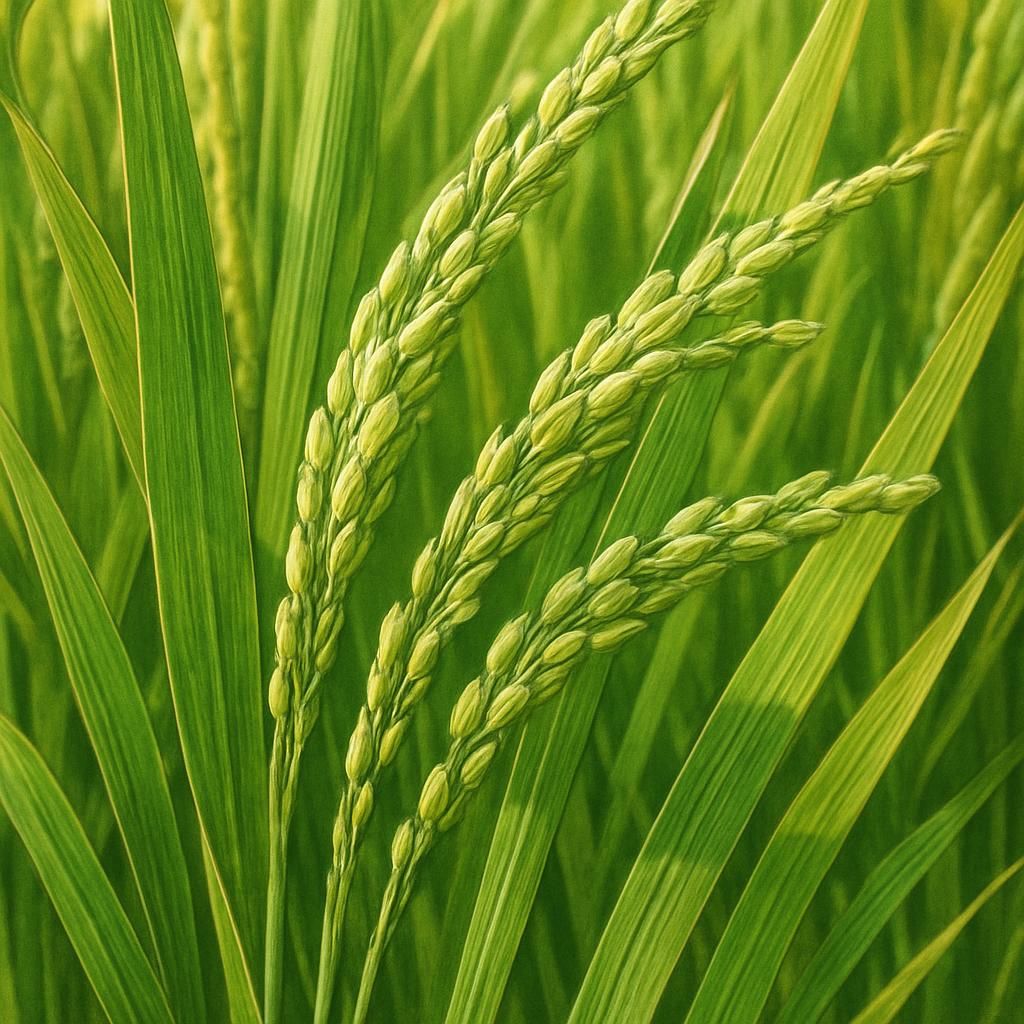
Introduction to Baldo Rice
Baldo Rice, originated from Italy, has garnered a reputation for its rich, creamy texture and is primarily used for preparing creamy risottos and various sushi dishes. This medium-grain rice variety combines the creaminess of Arborio and the subtle flavor of Basmati, creating an ideal blend that suits a range of culinary applications.
Botanical Profile of Baldo Rice
Belonging to the species Rice (Oryza sativa), Baldo rice is predominantly cultivated in the fertile plains of the Po Valley in Italy. It is characterized by thick grains that absorb flavors extensively while maintaining their shape under prolonged cooking processes.
Soil, pH, and Climate Requirements for Baldo Rice
Baldo Rice requires specific growing conditions to thrive and produce a high yield. These conditions include well-draining, nutrient-rich soils, precise pH levels, and a conducive climate that supports its growth cycle.
| Factor | Ideal Condition |
|---|---|
| Soil Type | Loamy, Fertile soil |
| Soil pH | 5.5-6.5 |
| Temperature | 20-35°C |
| Rainfall | 100-150 cm annual |
| Humidity | High |
Step-by-Step Planting & Propagation
- Soil Preparation: Prior to planting, enrich the field with organic matter and ensure it is leveled for proper water management.
- Seed Selection and Treatment: Opt for high-quality certified seeds, soaking them in water for up to 24 hours to encourage germination.
- Sowing: Sow seeds in waterlogged conditions, typically 2-3 cm deep. Ensure rows are spaced approximately 30 cm apart to allow for adequate growth and access during maintenance.
- Water Management: Maintain a shallow water level post-planting, gradually increasing as rice plants grow.
- Thinning and Transplanting: For optimal growth, thin seedlings to 15-20 cm spacing among them or transplant the healthiest 15-20 day-old seedlings after flooding the field.
Care & Maintenance Regimes for Baldo Rice
Baldo Rice demands consistent care across its growing cycle, focusing on water, nutrients, and occasional pruning.
| Task | Frequency |
|---|---|
| Watering | Continuous flood |
| Fertilizing | N, P, K at 2-3 stages |
| Weeding | Every 2 weeks |
| Pruning | Not required |
Pests, Diseases & Organic Management
Baldo Rice faces threats from various pests such as Spider Mites and diseases like blast. Opt for integrated pest management (IPM) techniques to control these problems organically:
- Pests: Use natural predators like ladybugs for controlling spider mites.
- Diseases: Adhere to crop rotation, and plant-resistant Baldo Rice varieties to mitigate blast and other common diseases. Consult "Crop Diseases Under the Microscope: 9 Organic Fixes for Small Farm Resilience" for detailed management strategies.
Harvesting, Curing & Optimal Storage
Baldo Rice is typically ready for harvest around 120-150 days post-planting when grains turn golden brown:
- Harvesting: Use a harvester machine to cut the rice panicles.
- Curing: Allow the rice to dry in the sun for 3-5 days or employ a mechanical dryer to reduce moisture levels.
- Storage: Store the cured rice in a cool, dry place in sealed containers to prevent insect infestation.
Companion Planting for Baldo Rice
Pairing Baldo Rice with complementary plants can enhance its growth while reducing susceptibility to pests and diseases:
- Beneficial Companions: Utilize leguminous plants to improve soil fertility and lavender to repel insects.
- Avoid: Heavy-feeding plants like Lychee that may compete for nutrients.
Explore "Autumn Companion Planting Blunders" to gain insights into common pitfalls to avoid in companion planting.