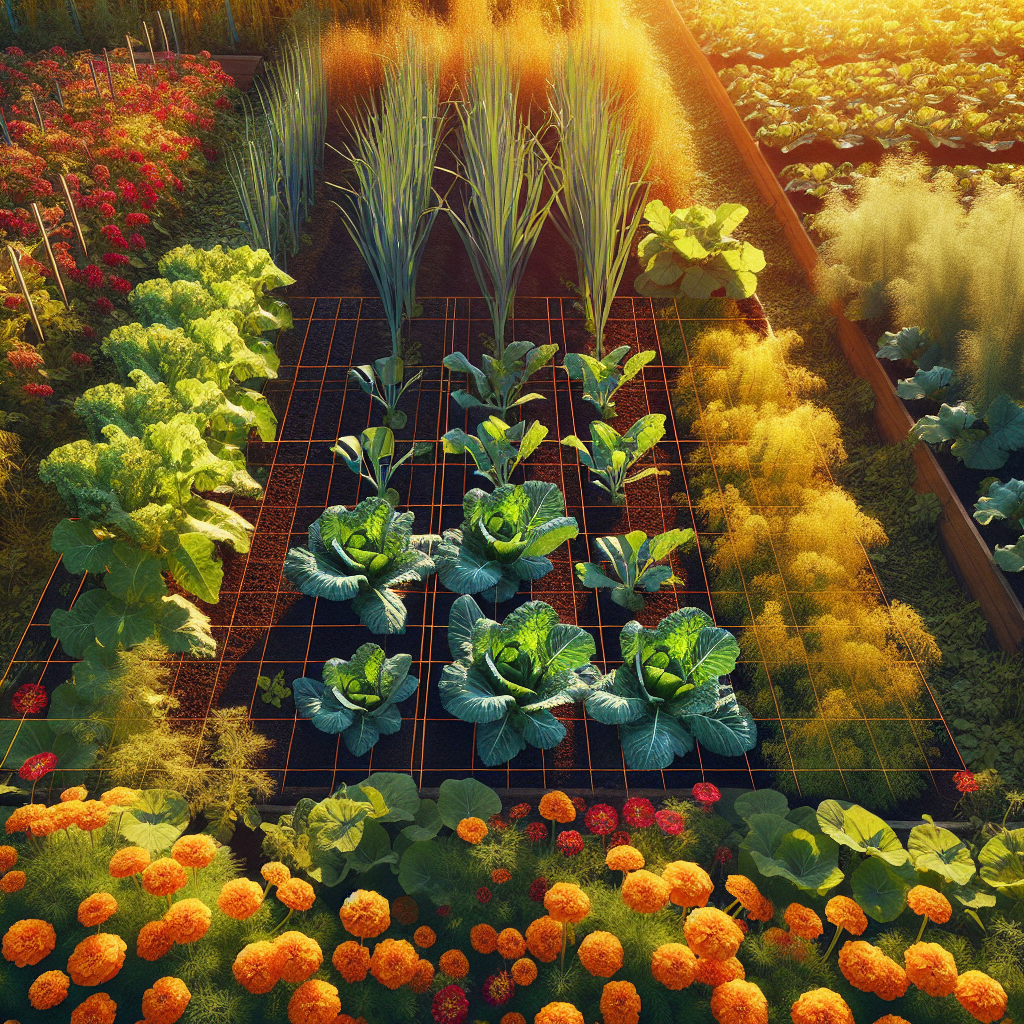
Shorter days hit small farms like a silent thief, sapping vigor from fall crops before they can fully ripen. Every year, homesteaders and backyard growers watch potential bumper harvests fade due to overlooked planting pairings that could have amplified growth and warded off pests naturally.
Companion planting harnesses nature's synergy, where certain crop combinations enhance flavor, repel invaders, and enrich soil without chemicals. Yet for small-scale operations, where space is premium and resources tight, botched pairings can mean the difference between abundance and scarcity. This deep dive exposes the top seven blunders that sabotage fall yields--and arms you with organic corrections rooted in time-tested practices.
Blunder 1: Ignoring Frost Tolerance Mismatches
Pairing tender greens like lettuce with frost-hardy brassicas such as kale sounds efficient, but mismatched hardiness levels doom the setup. Tender plants blacken overnight in the first chill, leaving gaps that invite weeds and expose neighbors to wind damage.
Organic Fix: Select companions with aligned frost thresholds. Plant spinach alongside garlic, both thriving down to 20°F (-6°C). Spinach's shallow roots draw up phosphorus, benefiting garlic's bulb development, while garlic's scent deters leaf miners. Sow in mid-September for a dual harvest into November.
| Crop Pair | Frost Tolerance | Benefit |
|---|---|---|
| Spinach + Garlic | 20°F (-6°C) | Nutrient sharing, pest deterrence |
| Kale + Onions | 15°F (-9°C) | Soil aeration, aphid repulsion |
Blunder 2: Overcrowding Root-Heavy Duos
Fall's compact growing window tempts growers to squeeze in beets and carrots side-by-side, but their competing deep roots lead to stunted bulbs and woody textures. Oxygen and moisture battles underground starve both crops.
Organic Fix: Alternate with shallow-rooted herbs like dill. Dill's feathery tops attract beneficial wasps that parasitize hornworms, while its roots loosen soil without rivalry. Space beets 4 inches apart in rows with dill every third plant. This trio yields sweeter roots and pest-free herbs by October.
Rotate this with companion planting blunders insights for year-round success.
Blunder 3: Planting Brassicas Near Nightshade Relatives
Cabbage family members next to late tomatoes or peppers invite cross-pest attraction. Cabbage worms and flea beetles thrive in this toxic neighborhood, ravaging leaves before heads form.
Organic Fix: Team brassicas with aromatic alliums like leeks. Leeks' sulfur compounds confuse pests, reducing infestations naturally. Interplant broccoli with leeks at 12-inch spacing; harvest leeks as broccoli crowns swell. For broader patterns, explore crop rotation failures.
Blunder 4: Neglecting Legume-Nitrogen Boosters
Fall plantings without nitrogen-fixers like clover or fava beans leave soil depleted, yielding pale, undersized greens. Cool weather slows natural fixation, compounding the deficit.
Organic Fix: Undersow clover beneath root crops like turnips. Mow clover mid-season to release nitrogen, fueling turnip greens without tilling. This living mulch suppresses weeds and retains moisture, extending harvest through frost. Expect lush foliage that composts into next spring's gold.
| Legume Pair | Nitrogen Boost | Additional Perk |
|---|---|---|
| Clover + Turnips | High | Weed suppression |
| Fava Beans + Lettuce | Medium | Mulch material |
Blunder 5: Forgetting Pest-Trap Crops
Monocultures of fall squash or pumpkins become bug buffets without sacrificial traps. Squash bugs overrun unchecked, piercing stems and spreading wilt.
Organic Fix: Introduce nasturtiums as trap crops. Their peppery leaves lure aphids and squash bugs away, concentrating pests for easy hand-removal. Plant nasturtiums at borders; their vines trail without competing. Companion with radishes to break up soil and deter cucumber beetles. Learn more from fall pest defenses.
Blunder 6: Skipping Shade Providers for Bolting Prevention
Cool-season crops like arugula bolt prematurely under lingering sun, turning bitter before salads peak. Without overhead shade, quality plummets.
Organic Fix: Pair with taller sunflowers or kale for dappled shade. Sunflower roots pull deep potassium, shared via mycorrhizal networks, while their height filters light. Sow arugula between sunflower stalks planted earlier; harvest greens as flowers seed for winter birds.
Blunder 7: Disregarding Soil pH Synergies
Acidic-loving potatoes beside alkaline-thriving celery create uptake blocks, leading to hollow tubers and limp stalks. Fall rains leach amendments unevenly.
Organic Fix: Match pH profiles: blueberries (acid) with cranberries or potatoes. For broader health, blend with soil revival strategies. Test soil via university extension services and amend with pine needles for acid lovers.
Building Your Fall Companion Blueprint
Draft a zone-specific map: North field for brassica-allium blocks, backyard for root-herb mixes. Start small--test one bed with spinach-garlic, scale winners. Track timings in a notebook: seed dates, first frost risks, harvest windows.
| Zone Example | Primary Pair | Secondary Add | Expected Timeline |
|---|---|---|---|
| North Field | Kale + Leeks | Clover undersow | Plant Sep 15, Harvest Nov 1 |
| Greenhouse Edge | Beets + Dill | Nasturtiums | Plant Sep 1, Harvest Oct 20 |
| Backyard | Arugula + Sunflowers | Radishes | Plant Aug 20, Harvest Oct 15 |
Weather-Wise Adjustments
Monitor hyper-local shifts--sudden warms accelerate bolting, chills demand row covers. Adjust pairings yearly based on performance; nature rewards observers.
Profit from Precision
Smart companions cut inputs: fewer sprays, less fertilizer, higher yields per square foot. Log expenses against harvests to spot top performers, refining for profitability.
Organic-Only Long Game
These pairings build soil biology over seasons. Worms proliferate in diverse roots, fungi network nutrients. Your fall beds prime spring explosions.
Embrace these fixes, and fall transforms from scramble to symphony. Small farms thrive on such edges--plant wisely, harvest gratefully.