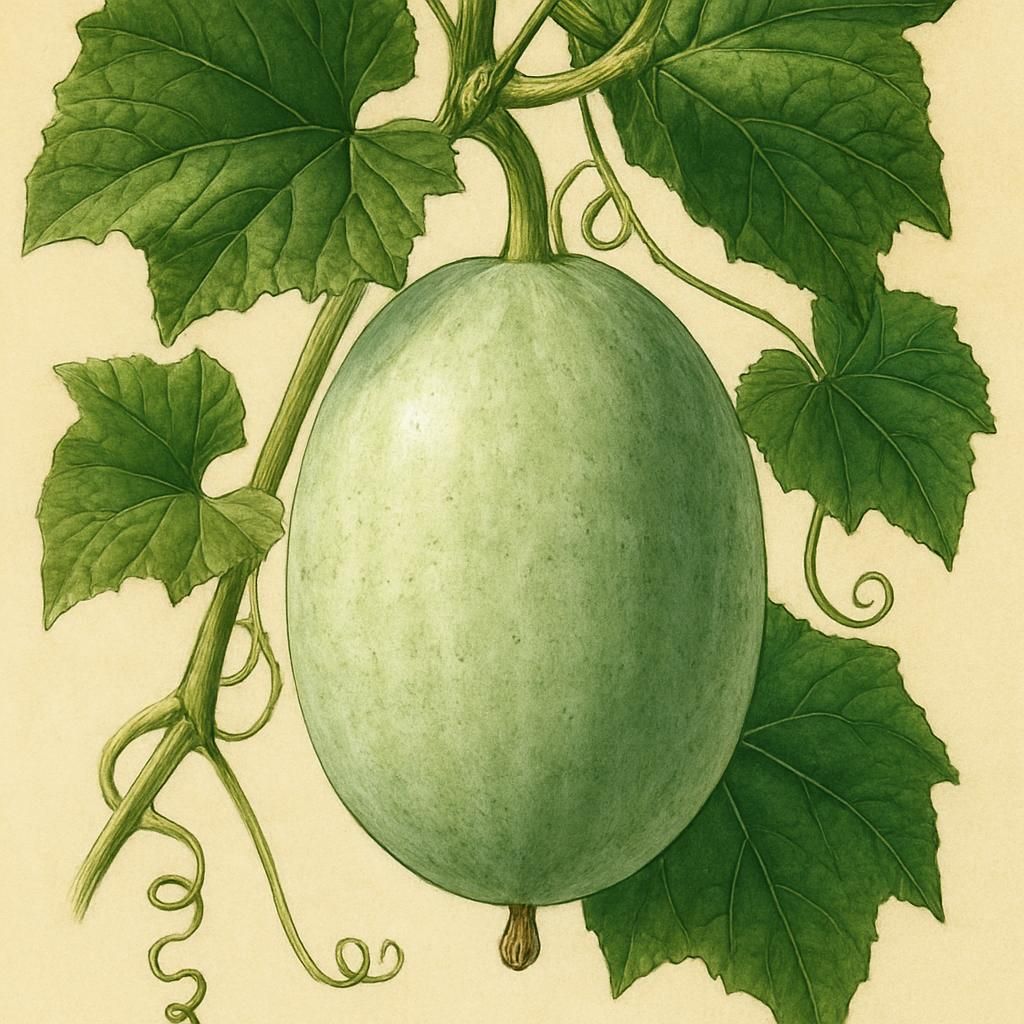
Introduction to Ash Gourd (Winter Melon)
Ash Gourd, commonly referred to as Winter Melon, is a staple in many Asian cuisines. This versatile fruit is not only prized for its culinary applications but also its health benefits, particularly in Ayurvedic practices. Known for its long shelf life and soothing properties, Ash Gourd can be integrated into various dishes, from soups to desserts.
Botanical Profile of Ash Gourd (Winter Melon)
The scientific name of the Ash Gourd is Benincasa hispida. It belongs to the Cucurbitaceae family, which includes other well-known crops such as Pumpkin and Cucumber. This annual vine is native to Southeast Asia and can grow to impressive lengths, supporting large fruit covered in a distinctive waxy coating.
Soil, pH, and Climate Requirements for Ash Gourd (Winter Melon)
To cultivate Ash Gourd successfully, growers must pay close attention to the soil and climate conditions. The following table outlines the ideal growing conditions for Ash Gourd:
| Condition | Ideal Range |
|---|---|
| Soil Type | Well-drained, sandy loam |
| Soil pH | 5.5 - 6.5 |
| Temperature | 24°C - 30°C |
| Humidity | Moderate to high |
Step-by-Step Planting & Propagation
- Site Selection: Choose a site with full sunlight, as Ash Gourd thrives in warm, sunny environments.
- Soil Preparation: Enrich the soil with well-rotted manure or compost. Ensure good drainage to prevent waterlogging, which can lead to root rot.
- Seed Sowing: Sow seeds directly or start seedlings indoors. Space seeds around 60 cm apart to allow ample room for vine growth.
- Transplanting: When seedlings have 3-4 true leaves, they can be transplanted to the field or larger pots if started indoors.
- Support: Provide support with trellises or netting to help the vines grow upwards and support the fruit.
Care & Maintenance Regimes for Ash Gourd (Winter Melon)
Ensuring proper care is critical to growing healthy Ash Gourd plants. Here is a recommended schedule for watering, fertilizing, and pruning:
| Task | Frequency |
|---|---|
| Watering | Twice weekly, increasing during dry spells |
| Fertilizing | Every 3-4 weeks with a balanced fertilizer |
| Pruning | As needed, remove dead leaves to encourage airflow |
Pests, Diseases & Organic Management
Ash Gourd is susceptible to various pests and diseases. Common pests include Spider Mites and Cucumber Beetles. These can be controlled organically with neem oil or insecticidal soaps. Diseases like powdery mildew can be managed with proper spacing and airflow around plants.
Explore further organic defenses in our article on 9 Organic Fixes for Small Farm Resilience.
Harvesting, Curing & Optimal Storage
Ash Gourds are ready to harvest when their skin is firm and has developed its characteristic waxy coating. Cut the fruit from the vine, leaving a small portion of the stem attached to extend storage life. Store in a cool, dry place; under these conditions, Ash Gourd can last several months.
Companion Planting for Ash Gourd (Winter Melon)
Companion planting can enhance the growth of Ash Gourd. Beneficial companions include Lettuce and Beans, which can help deter pests and improve soil quality.
Explore effective companion planting strategies in 10 Organic Pairings to Boost Small Farm Resilience.