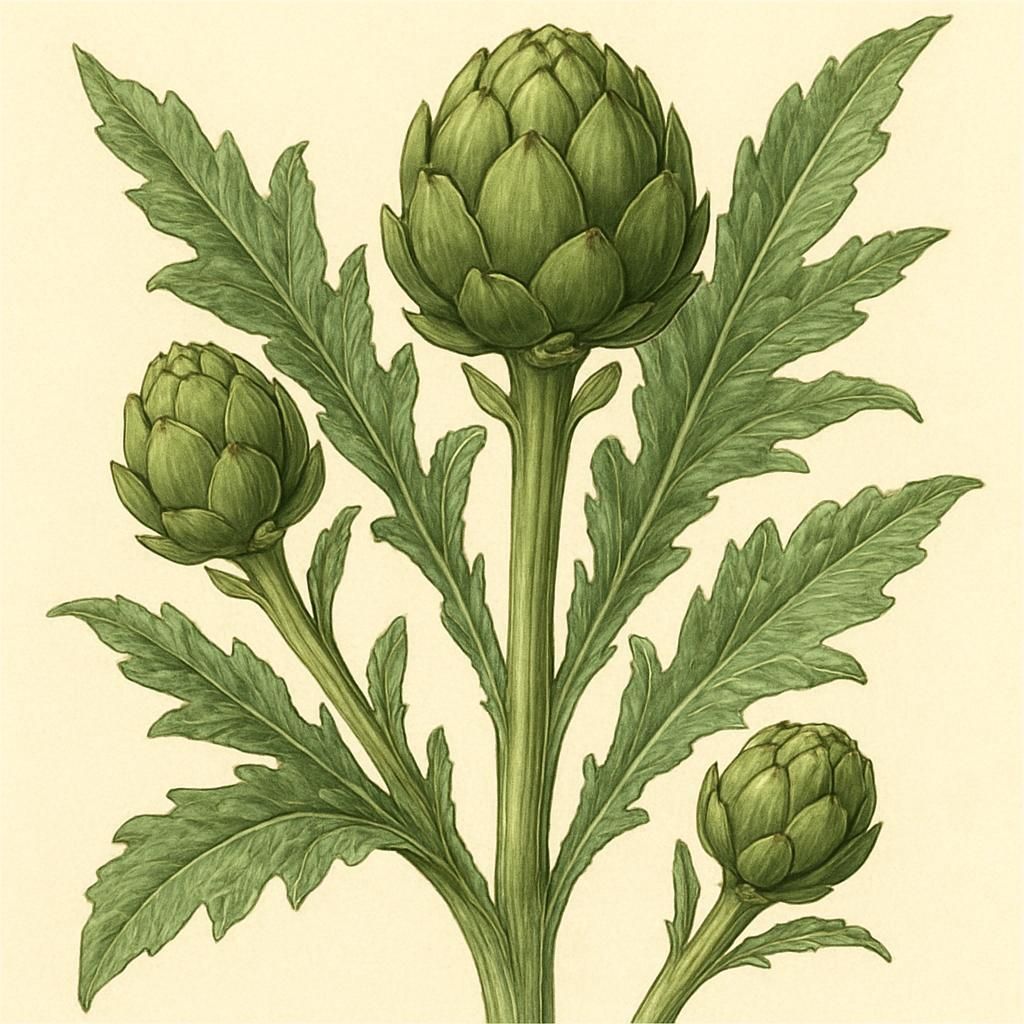
Introduction to Artichoke (Green Globe)
The Green Globe Artichoke is a beloved perennial plant recognized for its large, edible flower buds. Originating in the Mediterranean region, this nutritious vegetable has been cultivated for centuries not only for its unique flavor but also for its ornamental value. The artichoke adds not just nutrition to the diet but also texture and flair to a variety of dishes. Whether grilled, steamed, or incorporated into a gourmet recipe, the artichoke's versatility is unmatched.
Botanical Profile of Artichoke (Green Globe)
Cynara scolymus, commonly known as the Green Globe Artichoke, is part of the Asteraceae family. The plant is a perennial, though it is often grown as an annual in colder climates. Its robust, spiky leaves grow from a central bud, forming a rosette pattern, and it can reach heights of up to 5 feet. The edible part of the plant is the unopened flower bud, which reveals a brilliant purple bloom if allowed to mature.
Soil, pH, and Climate Requirements for Artichoke (Green Globe)
Green Globe Artichoke grows best under the following conditions:
| Factor | Ideal Conditions |
|---|---|
| Soil Type | Well-draining, loamy soil |
| Soil pH | 6.0 - 8.0 |
| Temperature | 15°C - 24°C (59°F - 75°F) |
| Sunlight | Full sun |
| Watering | Moderate, avoid waterlogging |
These conditions ensure that the plants develop strong roots and impressive buds, making them ideal for both consumption and display.
Step-by-Step Planting & Propagation
- Site Selection: Choose a spot with full sun and well-drained soil.
- Soil Preparation: Amend heavy or sandy soils with organic matter such as compost or well-rotted manure.
- Seed or Transplant: Start seeds indoors 8 weeks before the last frost date or opt for young transplants.
- Spacing: Space the plants about 3 to 4 feet apart to allow adequate room for growth.
- Planting: Plant the seeds or transplants after all dangers of frost have passed.
- Mulching: Apply mulch around the base to retain moisture and suppress weeds.
Care & Maintenance Regimes for Artichoke (Green Globe)
Proper care can lead to healthy artichokes and bountiful harvests:
| Task | Frequency |
|---|---|
| Watering | Weekly, more during dry spells |
| Fertilizing | Every 4 weeks during active growth |
| Pruning | Remove old flower stalks yearly |
Additional tasks include regular monitoring for pests and diseases, and ensuring that mulch is replenished as needed to prevent soil erosion.
Pests, Diseases & Organic Management
Artichokes can be affected by pests like Spider Mites and diseases such as powdery mildew.
- Pest Control: Use natural predators or insecticidal soap.
- Disease Management: Ensure good air circulation and remove affected parts promptly.
To learn more about managing crop diseases organically, read our Crop Diseases Under the Microscope: 9 Organic Fixes for Small Farm Resilience blog.
Harvesting, Curing & Optimal Storage
- Harvesting: Harvest buds before they open when they are firm and their scales are still tightly closed.
- Curing: Trim off thorns and store in a cool, dry place.
- Storage: Store fresh artichokes in the refrigerator for up to a week or freeze them after blanching for longer preservation.
Companion Planting for Artichoke (Green Globe)
Artichokes thrive when planted alongside certain companions like Thyme and Nasturtium, which can help repel pests. They should be avoided near potatoes and Tomato to prevent competition and disease spread.
For more insights on companion planting, check out our post on Summer Companion Planting: 10 Organic Pairings to Boost Small Farm Resilience.
Growing Green Globe Artichokes can be a rewarding endeavor for both home gardeners and commercial growers, providing both aesthetic and nutritional value.