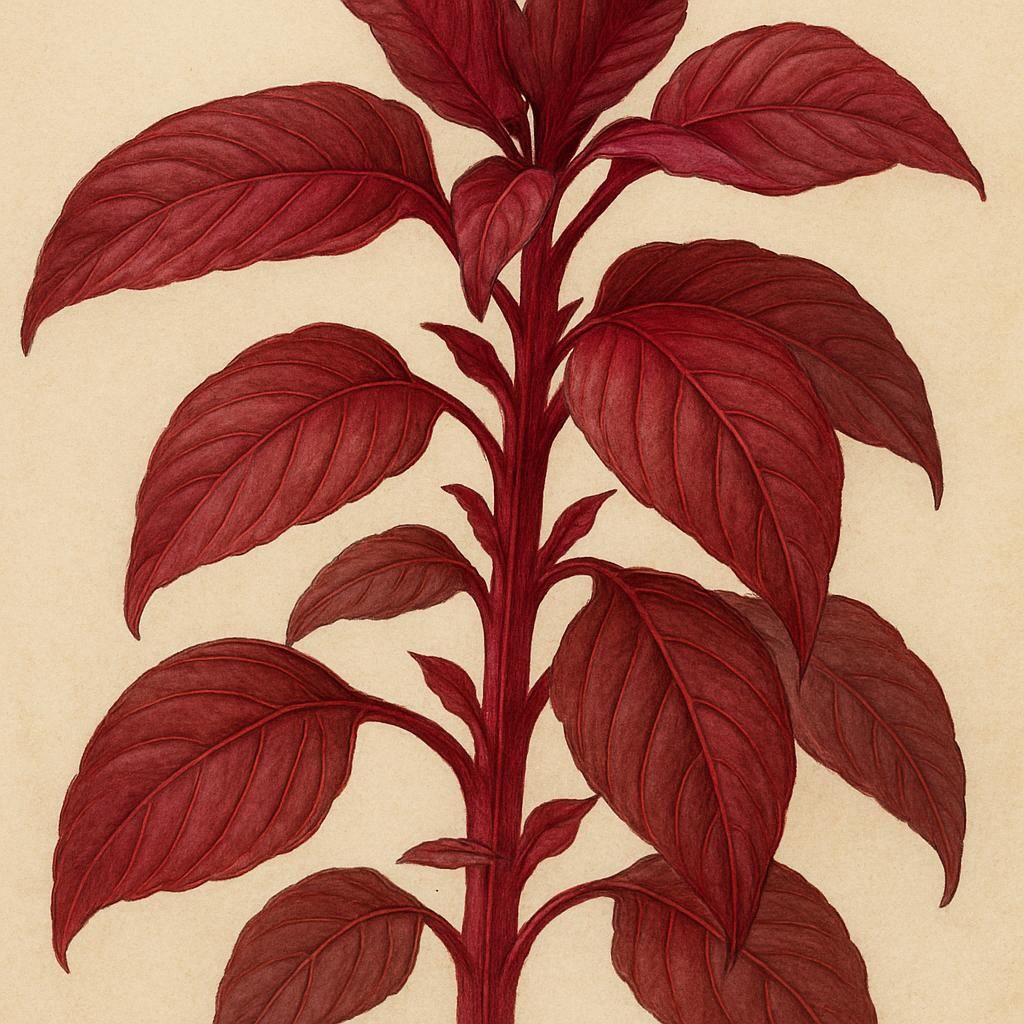
Introduction to Amaranth (Opopeo)
Amaranth (Opopeo) is renowned not just for its aesthetic appeal but also its nutritional benefits. Originating from the Americas, this crop flourishes as both a pseudocereal and a leafy green. With its striking red stems and leaves, amaranth serves both as an ornamental and a productive grain crop.
Botanical Profile of Amaranth (Opopeo)
Amaranthus cruentus, commonly known as amaranth, belongs to the Amaranthaceae family, which comprises over 60 species. Opopeo amaranth is distinguished by its deep crimson color and tall growth habit, often reaching up to six feet in height. Its seeds are small, round, and pale, harvested for their rich nutritional profile.
Soil, pH, and Climate Requirements for Amaranth (Opopeo)
Amaranth is notably resilient, capable of thriving in various environmental conditions. It favors loamy, well-drained soils but can adapt to poorer soil types as long as they possess good drainage.
| Aspect | Ideal Conditions |
|---|---|
| Soil Type | Well-drained, loamy |
| pH | 6.0 - 7.5 |
| Climate | Warm, 20°C to 30°C (68°F to 86°F) |
Step-by-Step Planting & Propagation
- Seed Starting: Begin indoors 6-8 weeks before the last expected frost; transplant outdoors once the danger of frost has passed.
- Site Selection: Choose a location with full sun exposure. Ensure the soil is loosened and prepared with organic compost to improve fertility and drainage.
- Transplanting: Space seedlings about 12 to 18 inches apart to allow enough room for growth.
- Propagation: Amaranth can be directly seeded into the ground if starting in a warm climate, ensuring soil temperatures are above 16°C (60°F).
Care & Maintenance Regimes for Amaranth (Opopeo)
Amaranth is relatively easy to maintain, requiring attention primarily to watering and soil nutrition.
| Task | Schedule |
|---|---|
| Watering | Once a week; allow to dry between waterings |
| Fertilizing | Once a month with organic compost or balanced fertilizer |
| Pruning | Remove dead leaves as needed to prevent disease |
Pests, Diseases & Organic Management
Amaranth is robust against many pests but can face challenges from Spider Mites or aphids. Organic management techniques, such as introducing beneficial insects and using neem oil, can control infestations. Regular monitoring for signs of leaf damage or webbing can help in early detection and control.
Harvesting, Curing & Optimal Storage
Amaranth reaches maturity in approximately 90-120 days. Harvest the seeds when their color changes to light tan and they separate easily from the seed head. For optimal storage, dry seeds thoroughly and store them in airtight containers in a cool, dry place. Leaves can be harvested when tender for culinary use.
Companion Planting for Amaranth (Opopeo)
Amaranth pairs well with crops such as Corn, Potato, and Soybeans, which provide shade and mutually beneficial growth conditions. Learn about other effective strategies for enhancing crop health by reading Summer Companion Planting: 10 Organic Pairings to Boost Small Farm Resilience.
Amaranth (Opopeo) is a worthy addition to any small farm or home garden. Its minimal care requirements and high yield potential make it ideal for sustainable agriculture enthusiasts.