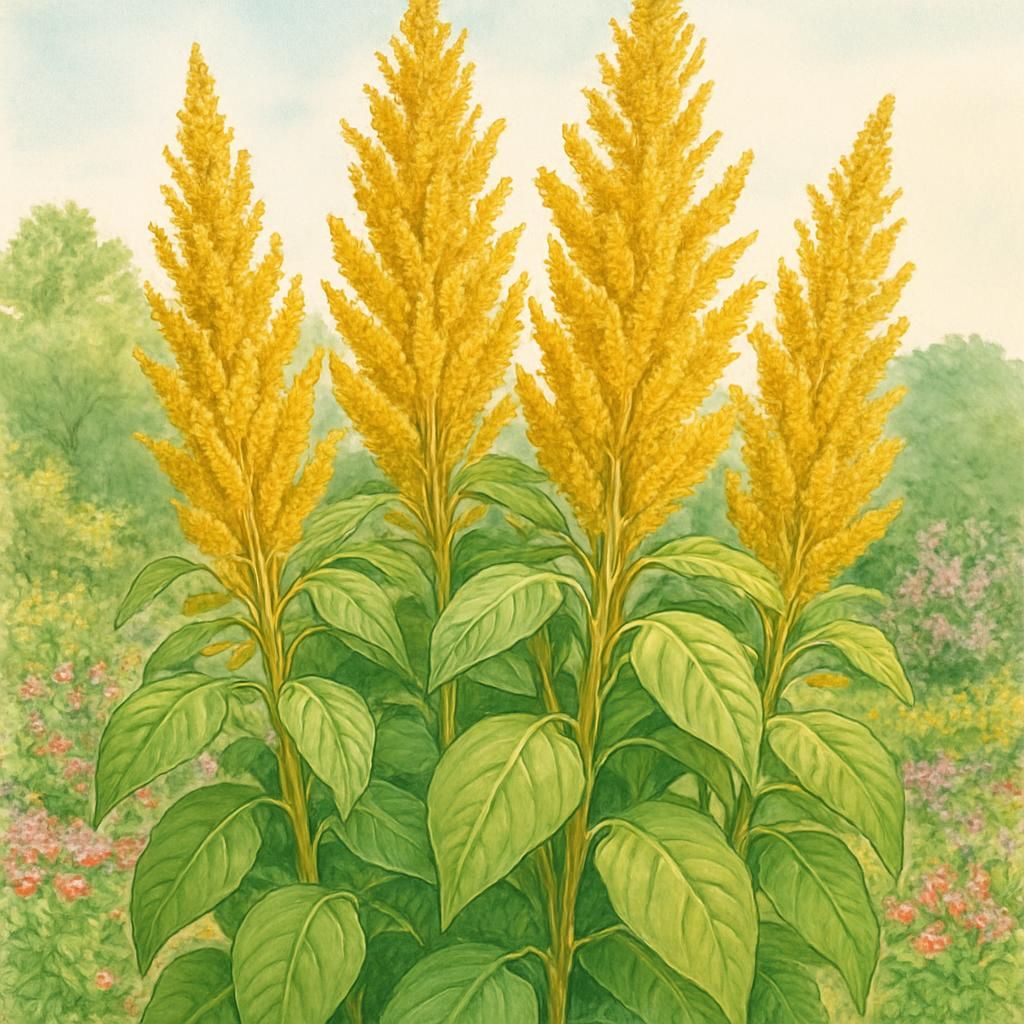
Introduction to Amaranth (Golden Giant)
Golden Giant Amaranth is a versatile and vibrant crop, celebrated for its nutritional value and striking appearance. With origins in Central and South America, it's a staple in many traditional diets and has gained popularity worldwide for its resilience and multipurpose use, from grain to foliage.
Botanical Profile of Amaranth (Golden Giant)
Golden Giant Amaranth, scientifically known as Amaranthus hypochondriacus, is a member of the Amaranthaceae family. It's a fast-growing annual, reaching heights up to 8 feet, with distinct golden inflorescences. The seeds are small, round, and packed with protein, fiber, and essential amino acids.
Soil, pH, and Climate Requirements for Amaranth (Golden Giant)
Ideal conditions for cultivating Golden Giant Amaranth involve well-draining soil, optimal temperatures, and suitable pH levels. Here's a concise table of these requirements:
| Condition | Optimal Range |
|---|---|
| Soil Type | Loamy, well-drained |
| pH Level | 6.0 - 7.5 |
| Temperature | 70°F - 85°F (21°C - 29°C) |
| Precipitation | Moderate rainfall |
Step-by-Step Planting & Propagation
- Selecting Seeds: Obtain Golden Giant Amaranth seeds from a reputable supplier.
- Site Preparation: Choose a sunny location with well-drained soil. Clear debris and till the soil to improve aeration.
- Sowing Seeds: Sow seeds directly in the garden after the last frost, at a shallow depth of 1/4 inch, spacing them about 10 inches apart.
- Germination: Within 7-10 days, seedlings should emerge. Thin plants to allow ample space for growth.
- Transplanting (if necessary): In cooler climates, start seeds indoors 4-8 weeks before the last frost. Transplant once seedlings are sturdy enough.
Care & Maintenance regimes for Amaranth (Golden Giant)
To ensure robust growth, follow a regular care regime. The following table outlines the requirements:
| Activity | Schedule/Amount |
|---|---|
| Watering | 1 inch per week, more during dry spells |
| Fertilizing | Balanced fertilizer every 4-6 weeks |
| Pruning | Remove damaged leaves as needed |
Pests, Diseases & Organic Management
Golden Giant Amaranth is relatively pest-resistant, but vigilance is key to maintaining crop health.
- Pests: Spider Mites, Aphids, and Flea Beetles are known invaders. Introduce beneficial insects like ladybugs, or apply neem oil as a preventive measure.
- Diseases: Watch for Alternaria leaf spot and root rot. Ensure proper spacing and air circulation to reduce disease risk. Organic fungicides can be used if necessary.
- Cultural Practices: Rotate crops and practice good field hygiene to prevent soil-borne diseases.
Harvesting, Curing & Optimal Storage
Golden Giant Amaranth is ready for harvest when the flower heads turn golden and seeds begin to scatter.
- Harvesting: Cut the stalk just below the seed head, typically 110-150 days after sowing.
- Curing: Allow seed heads to dry thoroughly in a warm, well-ventilated area.
- Threshing: Rub seed heads to dislodge seeds and winnow to remove chaff.
- Storage: Store seeds in airtight containers in a cool, dark, and dry location. Properly stored seeds can last for several years.
Companion Planting for Amaranth (Golden Giant)
Amaranth thrives alongside certain plants that help deter pests and diseases. Suitable companions include Cabbage, Beans, and Corn. Avoid planting amaranth near other Amaranth species to prevent potential cross-pollination and pest prevalence.
For further insights into optimal soil management, refer to our blog on The Hidden Power of Mulching. Additionally, learn more about amaranths on Wikipedia for a broader understanding of their global significance.